
Last updated November 23, 2026
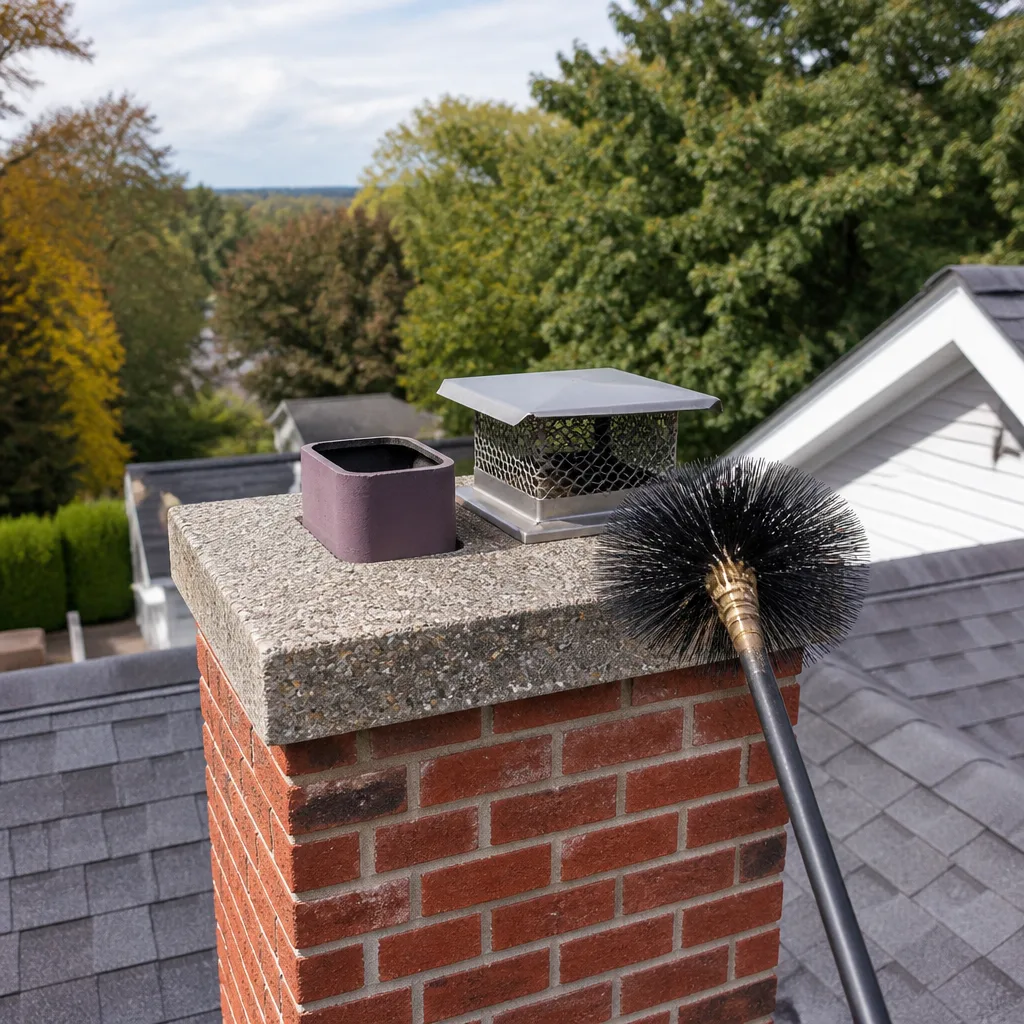 Sweep & inspection
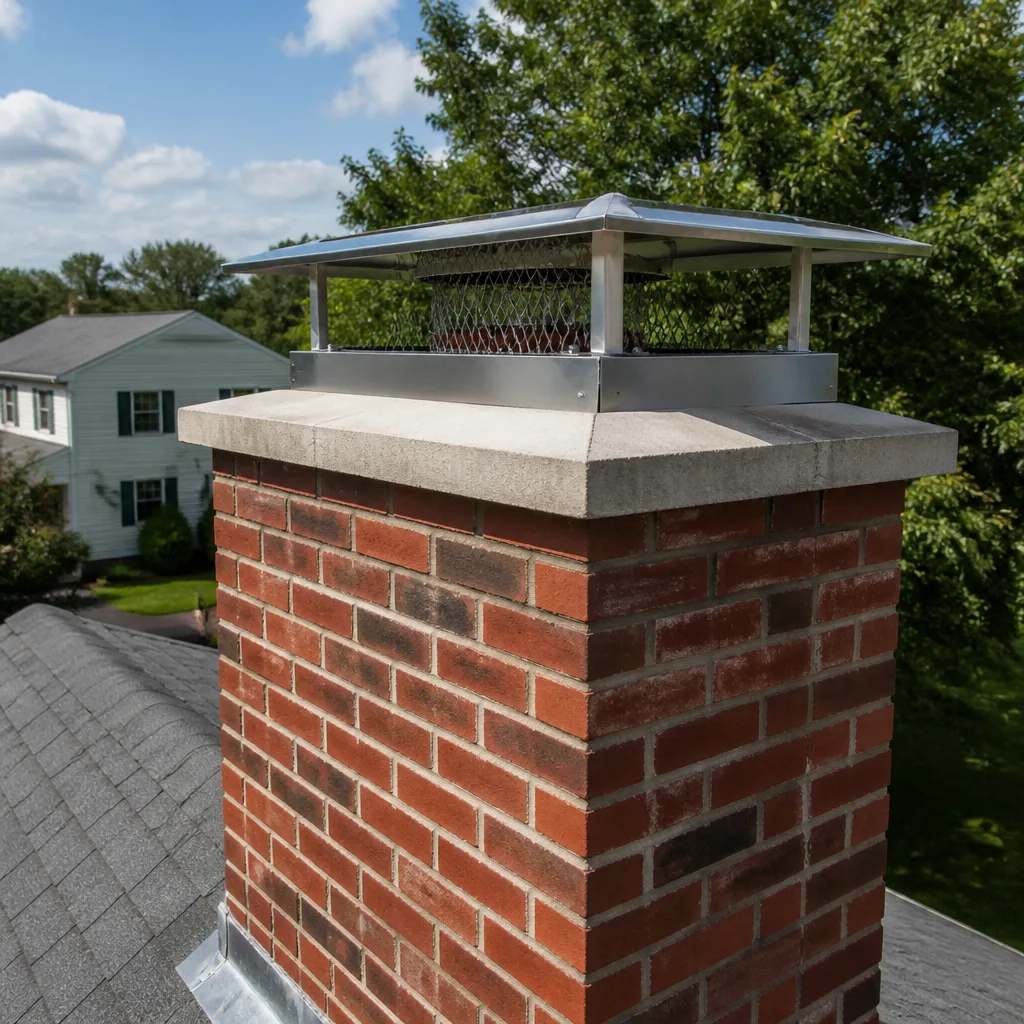 Caps & crowns
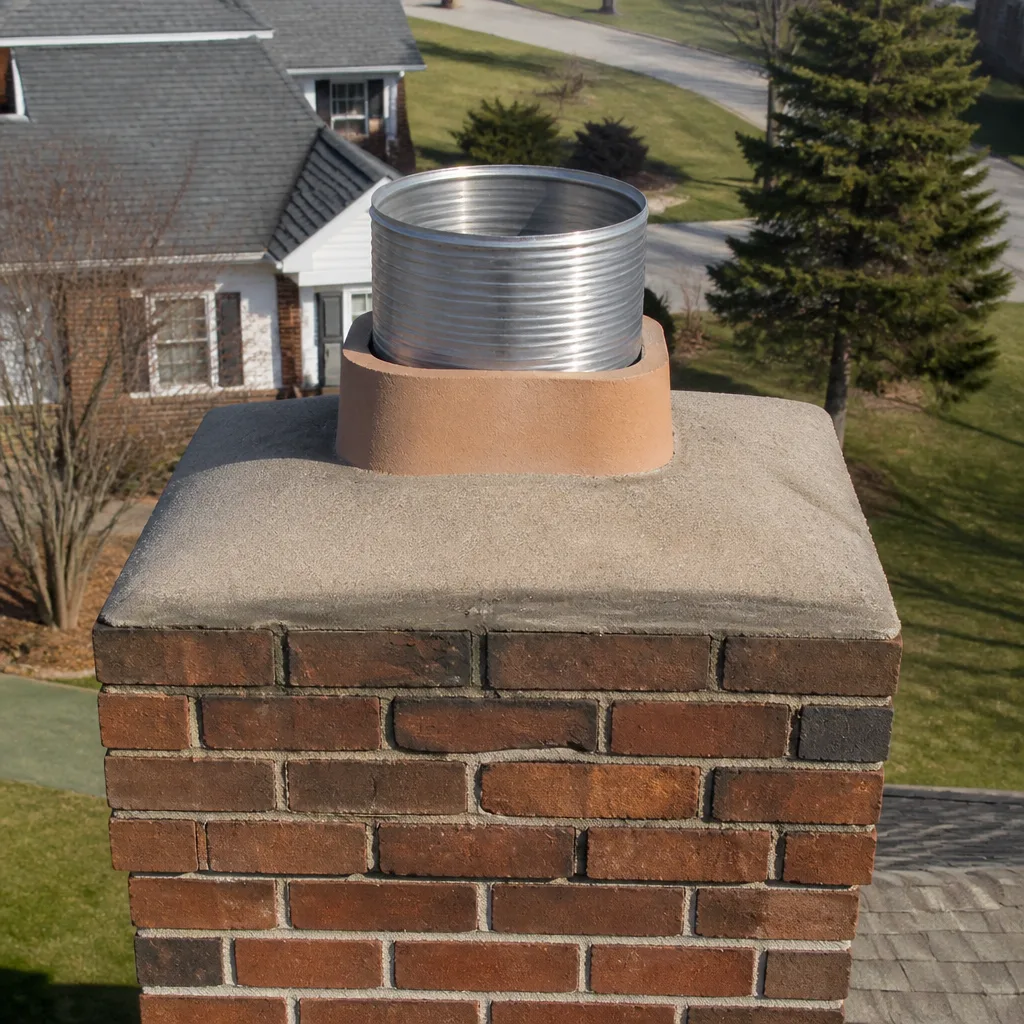 Flue relining
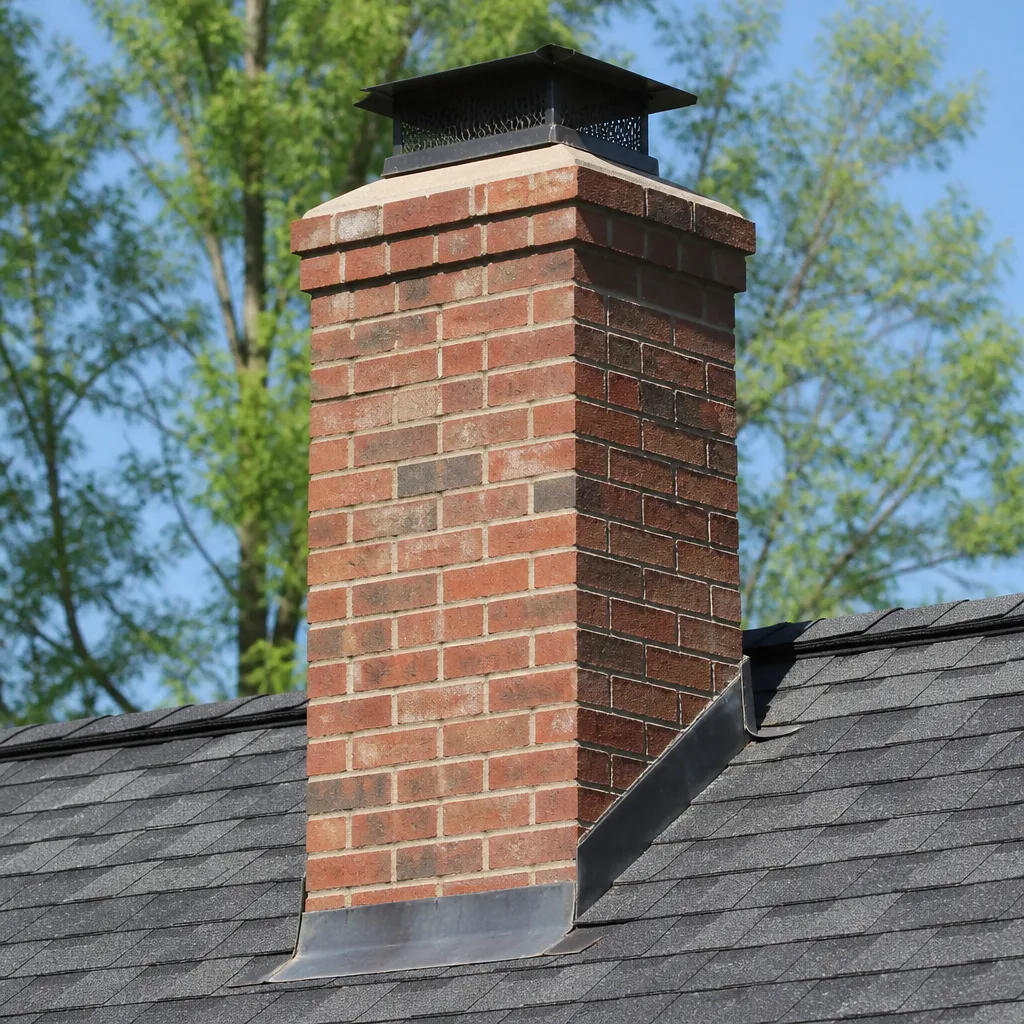 Masonry repair
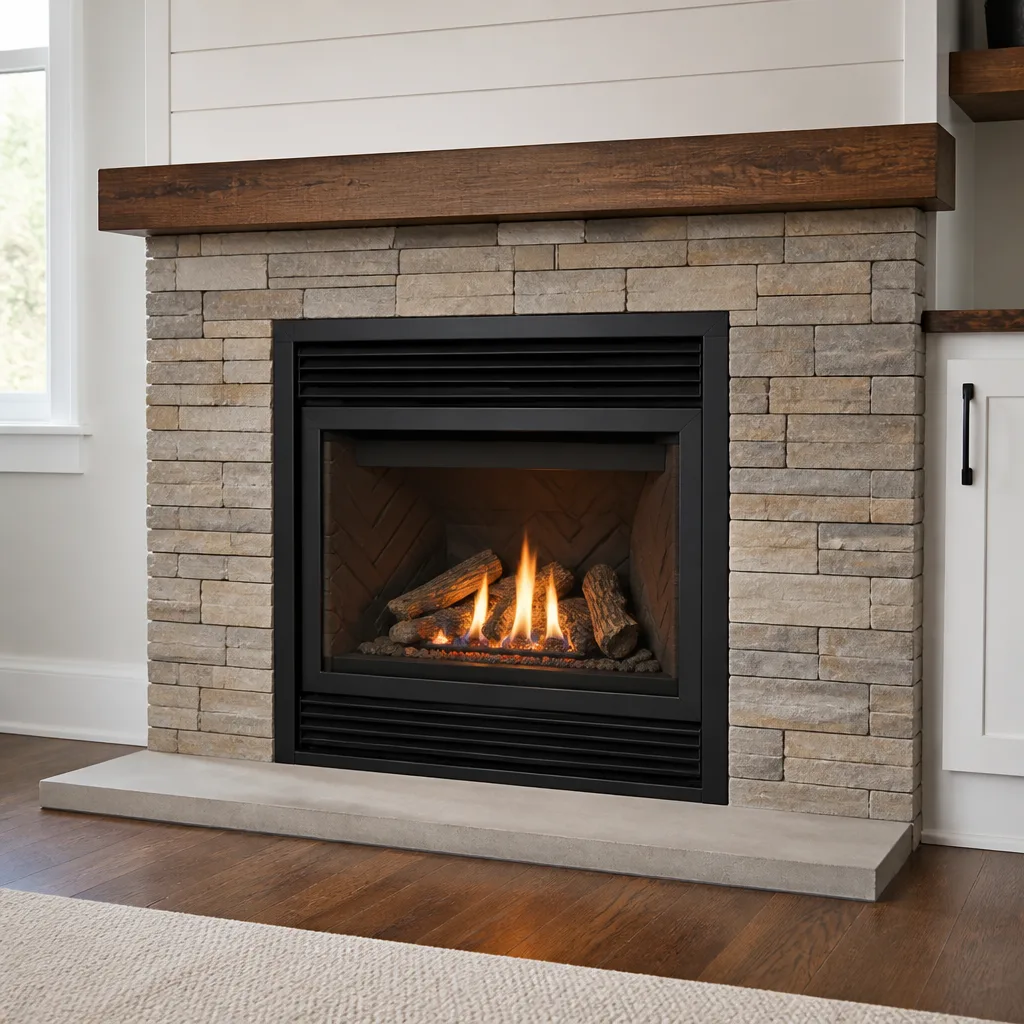 Gas fireplace service
Level 1 sweep and inspection to the NFPA 211 annual standard - flue, crown, cap, and flashing checked and photographed
Chimney sweep logs do not sweep chimneys. They loosen some creosote - which then falls where a brush and vacuum still have to collect it.
DIY vs Professional Chimney Cleaning: The South Coast Metro Homeowner’s Decision Guide
Most chimney cleaning debates miss the point. A homeowner with a ladder, a brush, and a free afternoon can absolutely run a brush through a flue. That part is not complicated. What a brush cannot do is tell you anything about the condition of the liner, the smoke chamber, the crown, or the deposit layer it just slid past. In South Coast Metro, where a lot of homes are built with clay-tile flues inside stucco chimneys, the problems that actually cost money sit behind the flue wall, not on the brush. This guide draws a clear technical line: what you can safely handle yourself, what you cannot, and how to decide which side of that line your chimney is on.
Quick Answer
Professional cleaning wins for one reason: a brush removes loose soot, but it does not remove glazed creosote, assess liner integrity, or find cracks you cannot see. In South Coast Metro, where clay-tile flues and stucco chimneys hide deterioration until it’s serious, a professional sweep plus inspection catches early-stage problems a DIY brush pass will pass right over. DIY is reasonable only for spot-checking the firebox and damper before you call.
Styles & brands we work with
- Sweep & inspection
- Caps & crowns
- Flue relining
- Masonry repair
- Gas fireplace service
Table of Contents
- What DIY Flue Brushing Can and Cannot Remove
- The Creosote Chemistry That Decides the Job
- The Tools That Actually Evaluate a Chimney
- Why South Coast Metro Chimneys Hide Their Problems
- The Insurance and Documentation Problem With DIY
- The One Legitimate DIY Inspection You Should Do
- Five-Year Cost: DIY vs Professional
- When to Stop and Call
What DIY Flue Brushing Can and Cannot Remove
A brush is a scraper. That is all it is, and that is the honest way to think about it. Running a brush up a flue knocks off the soft, powdery deposit that builds on the firebox walls and lower flue, and it pulls soot down into the firebox where you can vacuum it out. That is a real job, and for a lightly used fireplace it is the bulk of the cleaning you’d want done. In our experience, the confusion starts when homeowners assume the brush did everything, when a brush only handles one of three deposit types.
Here is what a consumer brush kit is genuinely good at:
- Removing Stage 1 creosote, the fluffy, soot-like deposit that builds up with regular burning
- Clearing loose ash and soot from the firebox floor and the first feet of the lower flue
- Knocking down light deposits on the smoke shelf that you can reach from below
And here is what a brush pass cannot do, regardless of how much effort you put in:
- Remove Stage 2 glazed creosote, the hard, shiny, tar-like layer that bonds to the flue wall
- Identify Stage 3 creosote, the heavily pitted, structural deposit that signals the liner is failing
- Read a crack in a clay flue tile, a gap at a tile joint, or a spalled inner surface
- Assess the smoke chamber, which sits above the damper and is the hardest part of the system to see
- Check the crown, the cap, or the flashing at the roofline for water intrusion or separation
- Confirm that the flue is actually sized and lined correctly for the appliance it serves
Chimney brush kits are built for one job: scraping soft deposits. They are not built, and not sold, as inspection equipment. Treat a DIY brush pass as cleaning, never as assessment. If you want to know whether your South Coast Metro chimney is in good condition, the brush tells you nothing about that. For the full sweep scope, see our chimney sweep page.
The Creosote Chemistry That Decides the Job
Creosote forms in stages, and each stage requires a different intervention. This is the single most useful thing to understand before you decide whether to buy a brush kit, because the stage you have determines whether DIY is even possible. The stages are not a matter of opinion; they are a byproduct of how the fire burned, how hot it burned, and how much unburned wood gas had a chance to condense on the flue wall on its way up.
- Stage 1 creosote is soft, flaky, and soot-like. It builds up from regular burning and comes off with a stiff brush. This is the deposit a homeowner can remove with a brush kit, and it is the only one where the DIY approach genuinely works.
- Stage 2 creosote is glazed, hardened, and bonded to the flue wall. It forms when the flue is not hot enough to burn off the gases, so they condense into a tar-like layer that hardens over time. A brush glides over the surface. Removing it requires chemical treatment, mechanical rotary tools, or a specialist approach, and it is the deposit most likely to fuel a chimney fire.
- Stage 3 creosote is the heavily pitted, porous, structural deposit that has been building for a long time. It is a sign the liner has been compromised and that the chimney has been burning poorly for years. This is not a cleaning job; it’s a repair or reliner job, and it needs a professional assessment.
The chemistry matters because it explains the failure mode of DIY: a homeowner brushes off the Stage 1 layer, sees a cleaner-looking flue, and assumes the chimney is fine. Meanwhile the Stage 2 glaze, which is the actual fire hazard, is still on the wall, and it is often on the upper flue where you can’t see it. If the deposits are glazed, the brush doesn’t come close to fixing the problem. A professional can tell you which stage you have and what removing it actually requires. In South Coast Metro, the mild winters mean more chimney use runs on low, slow, smoldering fires, and that’s exactly the burn condition that builds Stage 2 fastest.
The Tools That Actually Evaluate a Chimney
Here is the practical problem with DIY cleaning: cleaning and evaluating are two different jobs, and a brush kit is only built for one of them. A professional sweep brings tools a consumer kit does not include, and those tools are what turn a cleaning into a diagnosis. The evaluation tools are the part of the job you cannot replicate from the top of a ladder.
- A chimney inspection camera feeds a video line up the flue and lets the technician see the full interior of the liner, tile joints, and smoke chamber. This is how cracks, gaps, and spalling get found at all.
- A smoke pencil traces airflow at the firebox and flue to check for draft problems and the back-puffing that signals an obstruction or sizing issue.
- A moisture meter reads damp content in the masonry and crown, which is how water intrusion gets identified before it turns into spalling brick and a failed crown.
- A rotary cleaning system handles the glazed Stage 2 deposits a hand brush can’t touch, without damaging the liner.
- Access to proper resurfacing and liner materials when the evaluation finds a compromised liner that a brush-and-hope approach was never going to fix.
We work with professional supply lines including HeatShield, Olympia Chimney, Gelco, and Famco, so the inspection findings can be acted on with the right materials instead of a generic replacement. The point isn’t that every chimney needs a liner; the point is that only an evaluation can tell you that. An inspection without the ability to repair is just a report, and a brush without an inspection is just a cleaning. Neither one is a diagnosis.
Why South Coast Metro Chimneys Hide Their Problems
South Coast Metro has a specific housing profile that makes DIY cleaning riskier than it is elsewhere. A lot of the housing stock is mid-century and newer, built with clay-tile flues inside stucco chimneys, often with attached garages and shallow roof pitches. That combination hides chimney deterioration in ways a homeowner will not notice from the living room, and it is exactly why the visual check after a DIY brush pass is not a diagnosis.
Here’s the local picture:
- Clay-tile flues crack and spall. Clay tiles in older South Coast Metro homes have been through decades of mild wet winters and dry summers. They can develop hairline cracks at the joints or on the inner face that are invisible from the firebox but show up clearly on camera.
- Stucco chimneys trap moisture. Stucco is a hard, relatively closed surface, and when the crown or flashing above it fails, water gets inside the chimney chase and stays there. The result is spalling tile and a weakened crown, which is a repair job, not a cleaning job.
- Low-burn SoCal fireplaces build glazed creosote slowly. Mild winters encourage occasional, low, slow burns rather than hot, efficient ones, and that burn pattern is the recipe for the glazed Stage 2 deposit a brush cannot remove.
- Roof access is often worse than it looks. The shallow pitches and tile roofs common in South Coast Metro make top-down DIY cleaning more precarious than the brush kit instructions suggest.
None of this means a South Coast Metro chimney is doomed. It means the chimney’s condition is not knowable from the firebox, and the parts you cannot see are the parts that drive the cost. The work that keeps a South Coast Metro chimney safe is cleaning plus inspection plus timely fireplace repair and crown work. That’s the full-system approach, and it’s why we don’t treat a brush pass as a finished job.
The Insurance and Documentation Problem With DIY
Documentation is the part of chimney maintenance nobody talks about until something goes wrong. If a homeowner cleans their own chimney and later has a chimney fire, the insurance carrier wants a record of maintenance. A DIY brush pass leaves no record. That absence is a real problem at claim time, and it is the strongest argument for a documented professional sweep even when the cleaning itself seems simple.
Consider what the carrier sees:
- A chimney fire claim with no professional inspection on record for the prior period
- No documentation of the creosote level before the fire, which makes it hard to establish that the loss wasn’t from deferred maintenance
- A brushed-but-uninspected flue, where the Stage 2 glaze was never identified as a problem
- An insurer asking whether the chimney had been evaluated by a qualified professional, and the answer being no
A professional sweep gives you a dated record of the cleaning and the inspection findings, which is what an adjuster can actually work with. It also gives you a paper trail for early-stage interventions, so you can show that a liner repair was made before a problem turned into a loss. We can work with your insurer on documenting what was found, and we’ll tell you plainly what the inspection showed. If your carrier has specific documentation requirements, ask us before the visit so the report lines up with what they need.
The One Legitimate DIY Inspection You Should Do
There is one piece of chimney work a homeowner should do themselves, and it isn’t cleaning. It’s a visual check of the parts you can safely reach, before you call anyone. This is a two-minute look from the floor, never a climb, never a reach into the flue, and it tells a professional a lot about where to start when you call. Do the check when the fireplace is cold and has been cold for at least a day.
- Open the firebox and look at the back wall and side walls. You’re looking for cracked or missing firebrick, gaps in the mortar joints, and loose material. Cracks in firebrick are a repair signal, not a cleaning signal.
- Look at the damper plate. Open and close it. It should move freely, sit flush when closed, and not be rusted into place. A damper that sticks or won’t seal is a fireplace repair concern.
- Shine a light up the lower flue from the firebox. You’re checking for visible soot buildup, and for any tile joint you can see from below that looks gapped or blackened. You cannot see the smoke chamber or the upper flue from here, and you should not try to.
- Look at the firebox floor and the area in front of the hearth. Ash pile depth, soot staining around the opening, and any debris that has fallen down the flue all matter.
- Walk outside and look at the roofline from the ground. Check the crown and cap from below if the chimney is visible. You’re looking for missing cap components, a visibly cracked crown, or staining on the stucco that suggests water is getting in.
Write down what you see and tell us when you call. That is a genuinely useful DIY inspection, and it’s the one we recommend. What we do not recommend is any attempt to reach into the flue, remove a damper, get on the roof, or open up a chimney chase. Those are jobs for a trained professional with the right equipment and the right safety gear. The fireplace and chimney assembly is a fire and carbon monoxide system; the parts you cannot see are exactly the parts that need a professional eye.
Five-Year Cost: DIY vs Professional
The five-year cost comparison is where DIY often looks cheaper on paper and ends up costing more in practice. We can’t quote you a final price without seeing the chimney, and the estimates below are typical ranges for the region, not exact quotes. But the structure of the comparison is worth laying out, because the hidden cost of DIY is the damage that gets missed.
- DIY path, year one: brush kit and a ladder, plus the time. The cleaning removes Stage 1 deposits and leaves the Stage 2 glaze.
- DIY path, years two through five: repeat brush passes. The glazed deposit keeps building. The clay-tile flue keeps aging. Any crack or crown failure goes unnoticed because nobody is looking with a camera.
- DIY path, the catch: the first professional assessment often comes after a symptom appears, and by then the repair is a reliner or a crown replacement, not a cleaning. That’s the expensive outcome, and it’s the one the annual inspection is designed to prevent.
- Professional path: an annual sweep plus inspection, with early-stage interventions on the liner, crown, and cap when the camera finds something small. The chimney cap & crown work is the part that protects everything below it from water.
Typical regional ranges, for planning purposes only, look roughly like this:
- Professional sweep and inspection: a modest annual cost, quoted per job by written estimate
- HeatShield ceramic resurfacing, when a liner is compromised but not gone: a lower-cost alternative to a full reliner, priced per job
- Full liner replacement: a larger project, priced after the inspection findings are known
- Crown and cap repair with Gelco or Famco components: priced per job once the roof is assessed
- The DIY + missed damage path: the most expensive of the four, because the damage is found late
The conclusion is not that DIY is always wrong. It’s that DIY cleaning removes the cheap deposit and skips the expensive evaluations, and over five years the skipped evaluations are the part that costs money. Where a liner is compromised but not failed, HeatShield ceramic resurfacing can restore it without a full replacement, which is exactly the kind of early-stage intervention that a documented annual inspection makes possible. Prices are estimates; the written estimate sets the final number.
When to Stop and Call
Some situations end the DIY conversation immediately. If you see any of the following, stop and call a professional rather than running a brush through the flue:
- You see black, shiny, or tar-like deposit on the flue wall or the smoke shelf
- The firebox firebrick is cracked, spalling, or missing mortar
- You smell smoke in the house when the fireplace is not running, or notice back-drafting when it is
- The damper will not open, close, or seal
- You see staining, spalling, or a visibly damaged crown or cap from the ground
- You’ve had a chimney fire, even a small one you think you put out
Any of those is a signal that the chimney needs the full evaluation, not another brush pass. The safety caveat here is serious: a chimney with glazed creosote is a chimney fire waiting for the right burn, and a chimney with a compromised flue is a carbon monoxide path into the house. Those are not cosmetic issues, and a brush kit does not address either one. A trained professional with an inspection camera is the only thing that can tell you which condition you’re in. We’ll tell you exactly what we found and what fixing it actually requires, and we’ll say plainly when a repair can safely wait.
Common Mistakes to Avoid
- Treating a brushed flue as an inspected flue. A clean-looking flue after a DIY pass tells you the Stage 1 soot is gone. It tells you nothing about the liner, the smoke chamber, or the crown.
- Assuming glazed creosote is rare in South Coast Metro. Mild winters and slow, occasional burns are the exact conditions that build glazed deposits quickly. If your fireplace is used lightly but often, the glaze is more likely, not less.
- Climbing a tile roof to clean from the top. Shallow-pitch tile roofs common in South Coast Metro are more precarious than they look, and a fall is a far bigger problem than the cleaning.
- Buying a kit and stopping there. The brush handles one deposit stage. It does not include an inspection camera, a smoke pencil, or a moisture meter, so it cannot assess what it just cleaned past.
- Skipping documentation. A DIY cleaning with no record is a problem at claim time. A dated professional sweep and inspection is what your insurer can work with.
- Waiting for a symptom before the first inspection. The whole point of annual evaluation is to catch the crown, cap, and liner problems while they’re small. Waiting for smoke smell or back-drafting means you’re already at the repair stage.
- Ignoring the crown and cap. A failed crown is the most common path to a wet chimney and spalling tile. Cap and crown work is part of the full-system maintenance, not an optional extra.
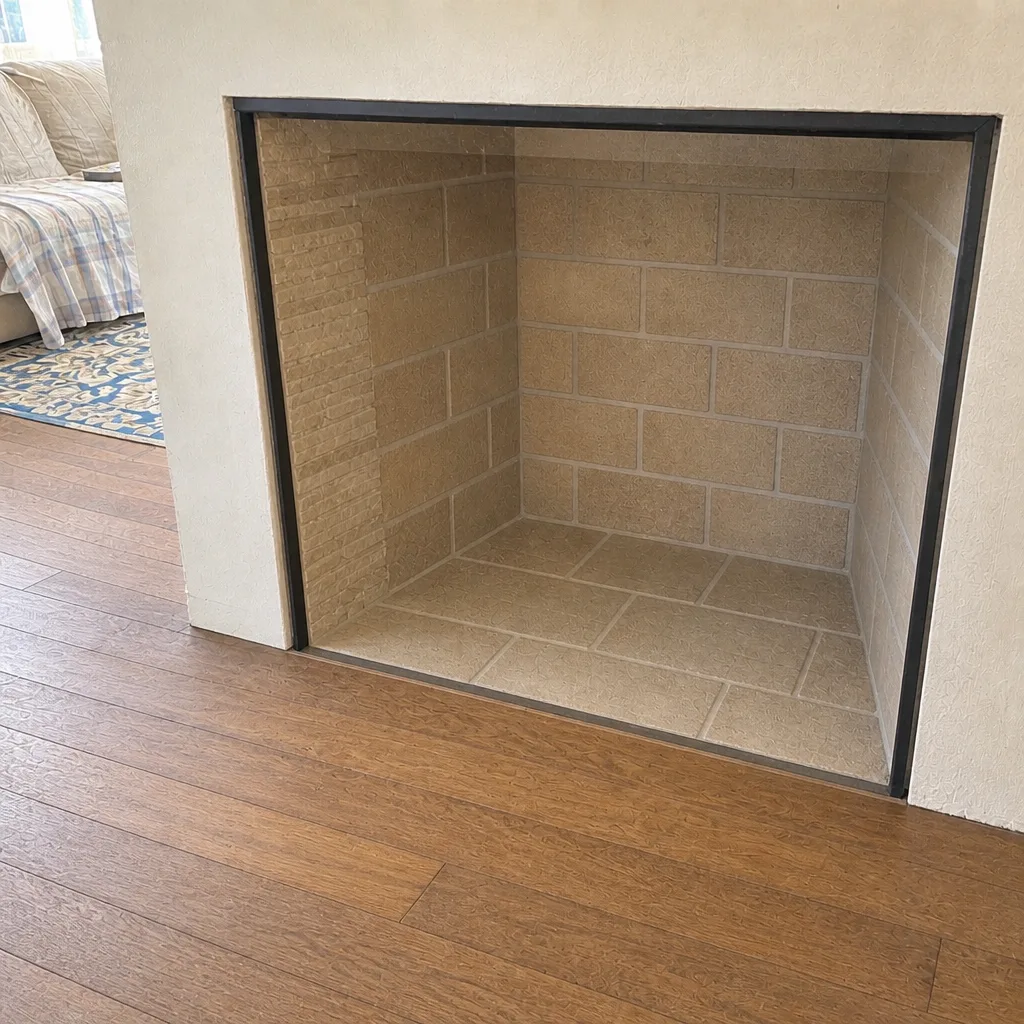
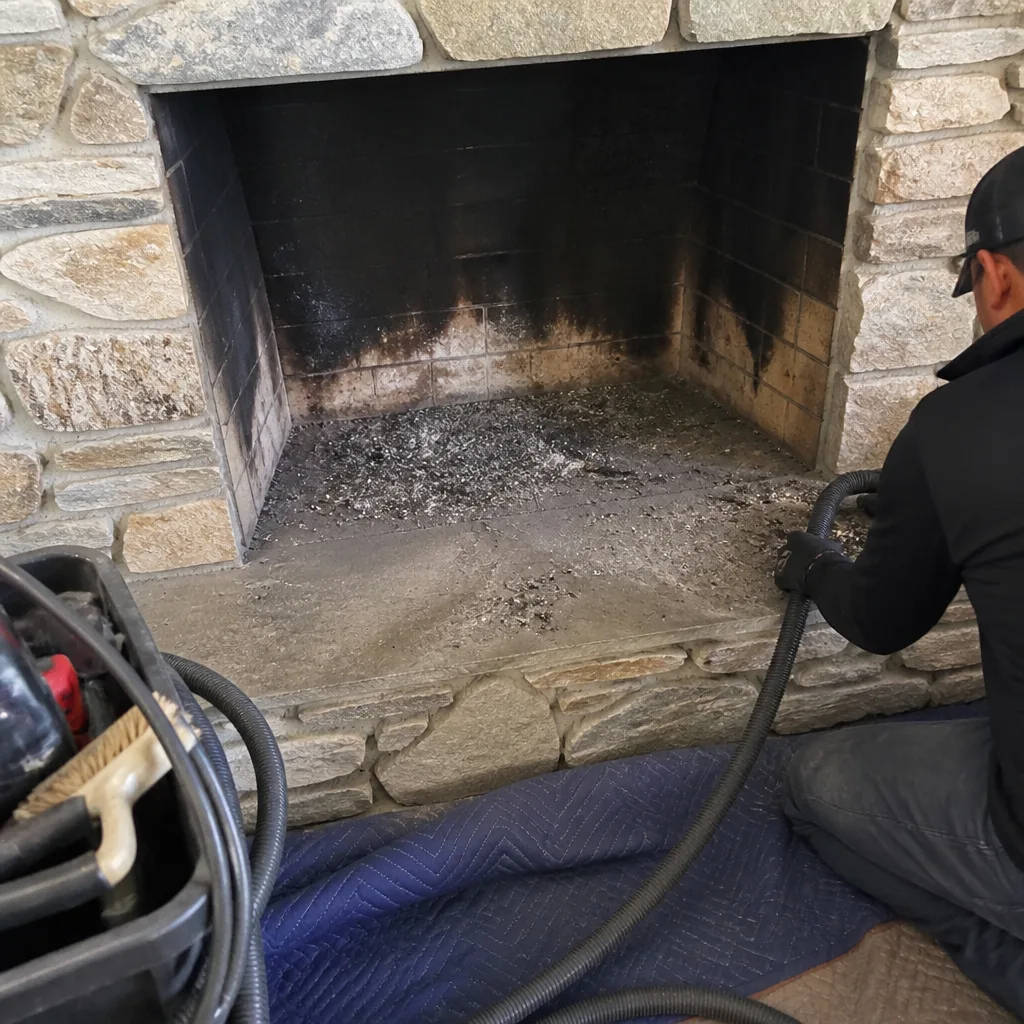
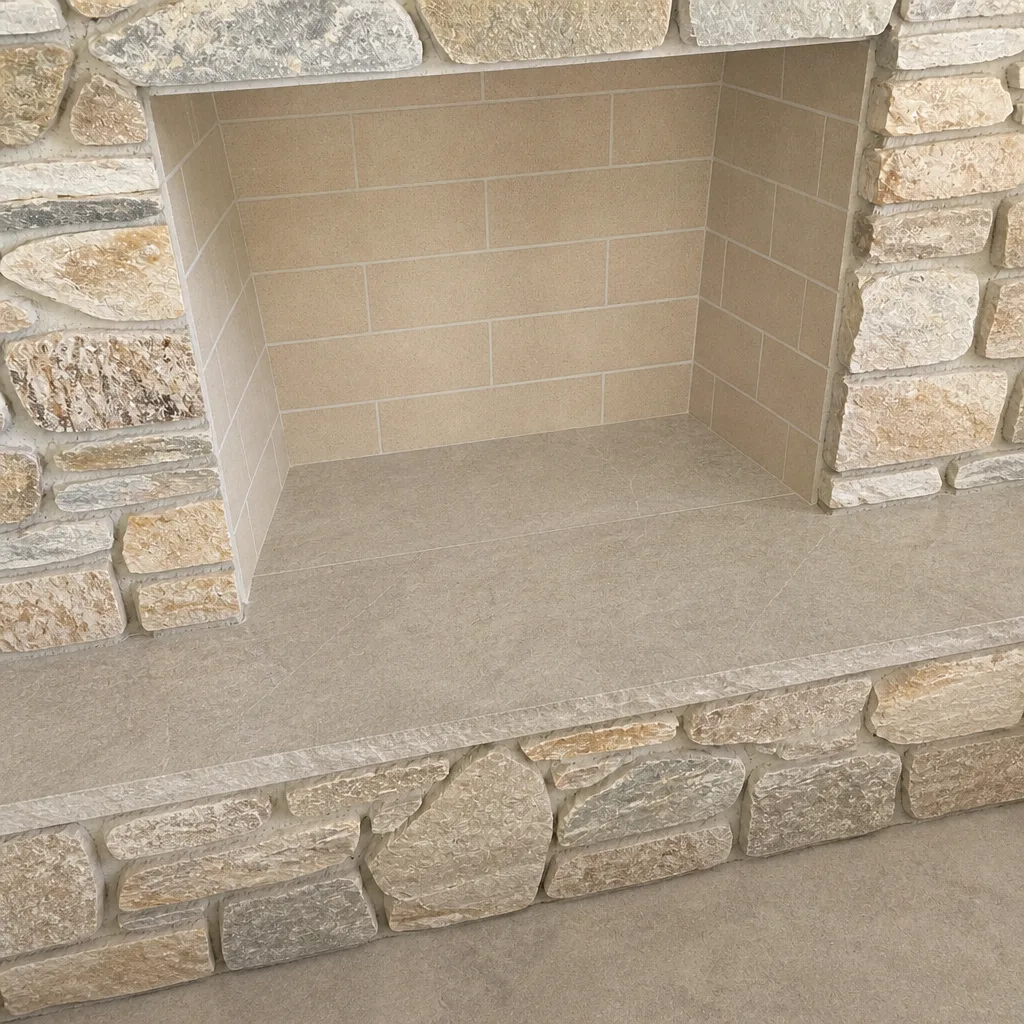
See the difference
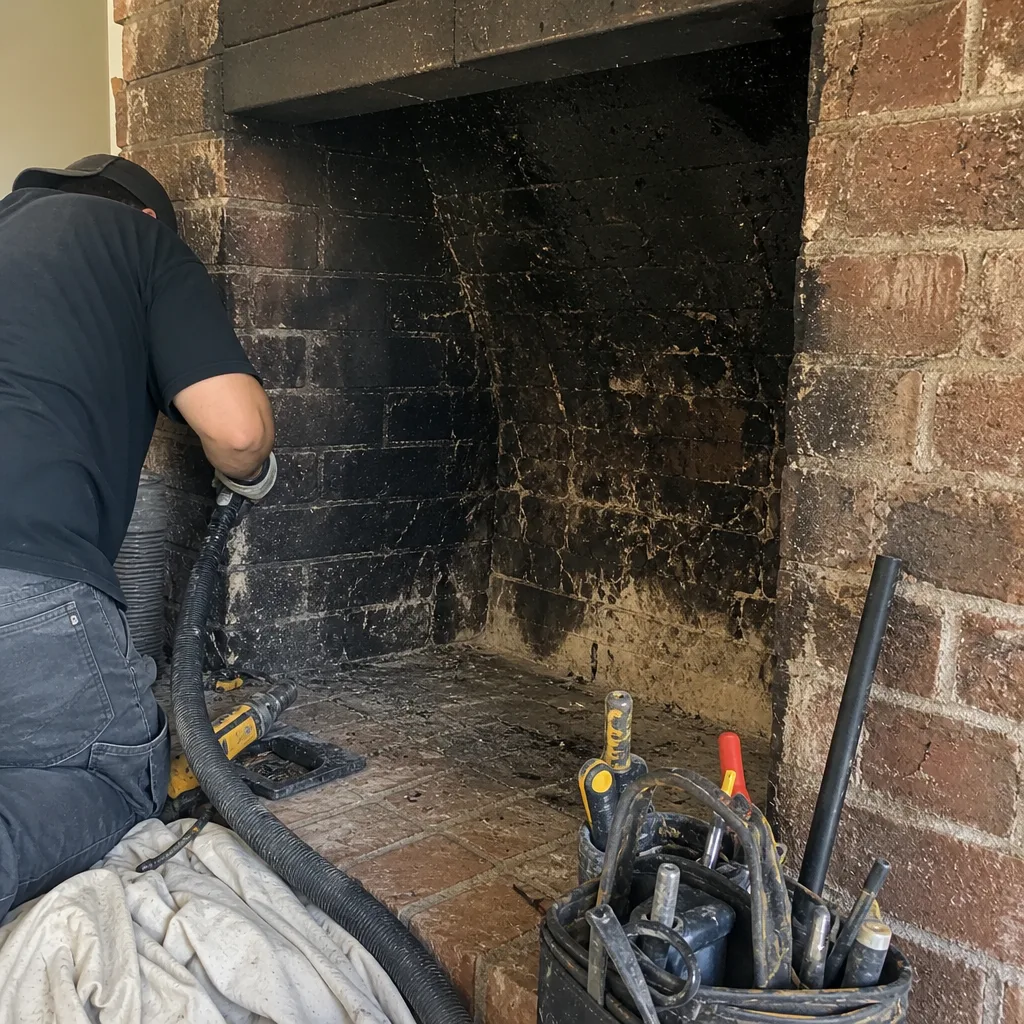 Before
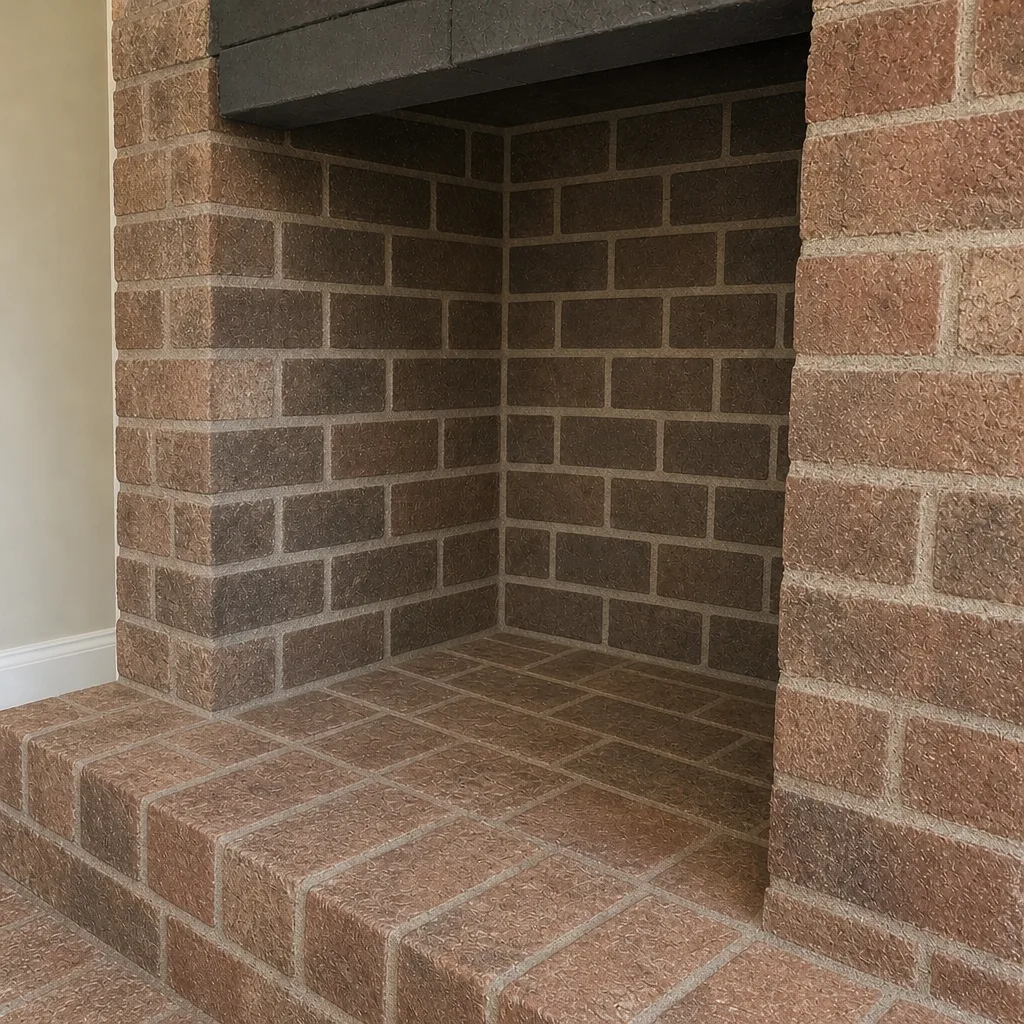 After
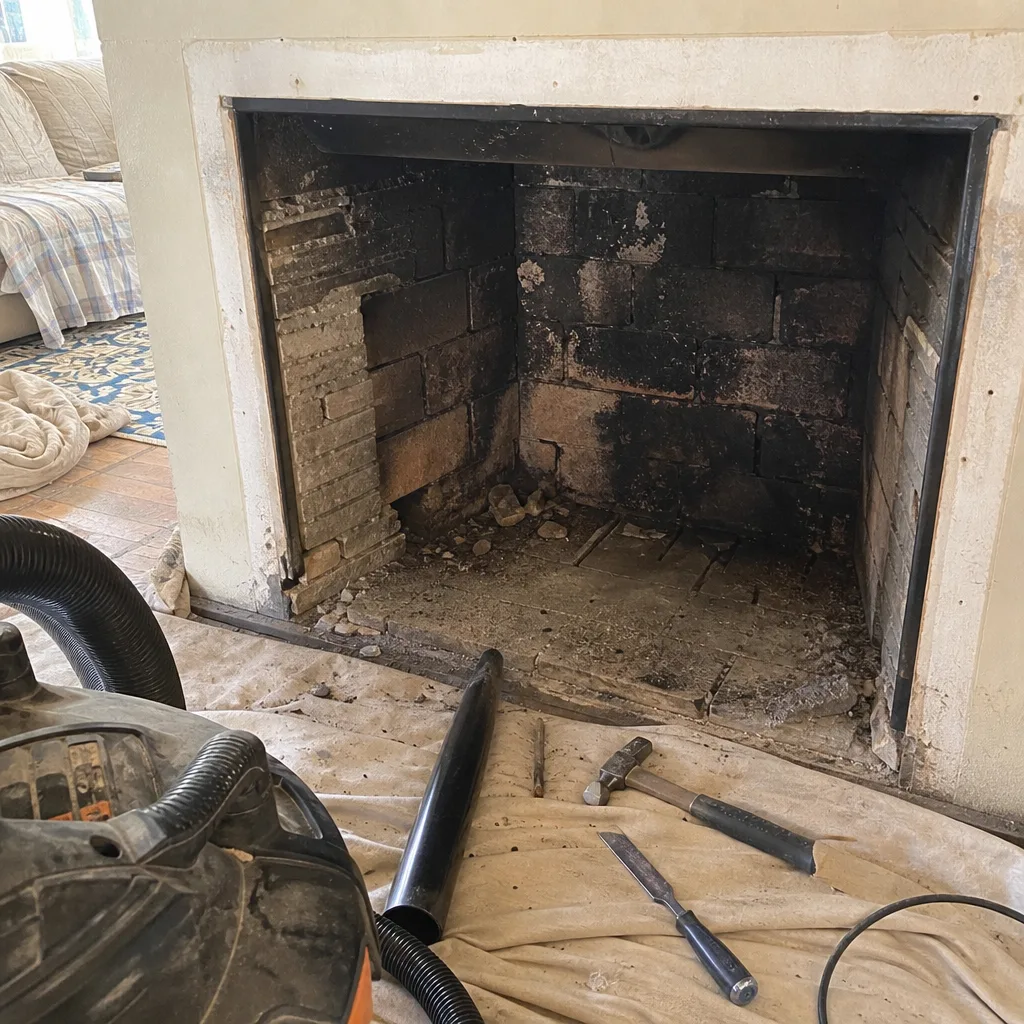 Before
 After
 Before
 After
When to Call a Professional
Call a professional when the deposits are glazed, when the firebox shows damage, when you see staining on the chimney or a damaged crown from the ground, or when you simply don’t know the last time the chimney was inspected. Also call before your first burn of the season if you’ve never had the chimney evaluated, and call if you’ve had any chimney fire, even a small one. Our technicians have up to 11 years of experience, and we work with professional supply lines including HeatShield, Gelco, Olympia Chimney, and Famco so cap, crown, and liner work is done with the right components. Chimney Sweep South Coast Metro offers free estimates in South Coast Metro. Call (833) 509-5393. We answer 24/7. Fast dispatch from 7am to 7pm, Sunday through Friday.
Frequently Asked Questions
You can remove Stage 1 soot from the lower flue with a brush kit, but you cannot assess the liner, the smoke chamber, or the crown. In South Coast Metro’s clay-tile and stucco chimneys, the problems that matter are behind the flue wall, so a DIY brush pass is cleaning without a diagnosis. Call (833) 509-5393 for an exact quote on a sweep and inspection; estimates are free.
Stage 1 is soft and soot-like and comes off with a brush. Stage 2 is glazed, hardened, and bonded to the flue wall, and a brush glides over it without removing it. Stage 3 is heavily pitted and structural, and it signals a compromised liner that needs repair, not cleaning. The stage you have decides whether the job is a cleaning or a repair. Call (833) 509-5393 to find out which one applies to your chimney.
An insurer handling a chimney fire claim wants a record of maintenance, and a DIY cleaning leaves none. A dated professional sweep and inspection report gives your carrier something to work with and shows that the chimney was evaluated by a qualified professional. If your insurer has documentation requirements, tell us before the visit. Call (833) 509-5393 to book.
Cracked or missing firebrick, a damper that won’t seal, visible staining or spalling on the chimney exterior, a damaged crown, or smoke backing into the house all point to repair rather than cleaning. A camera inspection confirms it. Call (833) 509-5393 for an assessment you can see for yourself; estimates are free.
A brush kit handles the soft deposits between professional visits, which can be reasonable for a lightly used fireplace, but it is not a substitute for an annual inspection. The kit has no camera, no moisture meter, and no way to find a cracked liner or a failing crown. Use it for cleaning only, and let a professional handle the evaluation. Call (833) 509-5393 to book the inspection.
The glazed deposit keeps building, and the crown and liner problems you can’t see keep getting worse, so the first professional assessment often arrives after the repair has become expensive. The annual inspection exists to catch those problems while they’re small. Call (833) 509-5393 for an exact quote on a sweep and inspection; estimates are free.
The Bottom Line
DIY chimney cleaning is not about capability. It’s about what a brush cannot see. A brush removes Stage 1 soot, and that’s the limit of what a consumer kit can do. It cannot remove Stage 2 glazed creosote, cannot assess the liner or smoke chamber, and cannot tell you whether the crown or cap is failing. In South Coast Metro’s clay-tile and stucco chimneys, those invisible conditions are the expensive ones. The one DIY task worth doing is a careful visual check of the firebox, damper, and visible lower flue before you call. Everything past that goes to a trained professional with an inspection camera and the ability to make the repair. We handle the sweep, the inspection, and the fix under one company, so there’s no handoff and no report without a path forward.
Call Chimney Sweep South Coast Metro at (833) 509-5393 for a free estimate. We answer 24/7. Fast dispatch from 7am to 7pm, Sunday through Friday. Full-system chimney work in South Coast Metro: Chimney Sweep South Coast Metro, with chimney sweep, inspection, fireplace repair, chimney repair, and cap and crown installation all handled by one team.
Written by the team at Chimney Sweep South Coast Metro.