
Last updated November 23, 2026
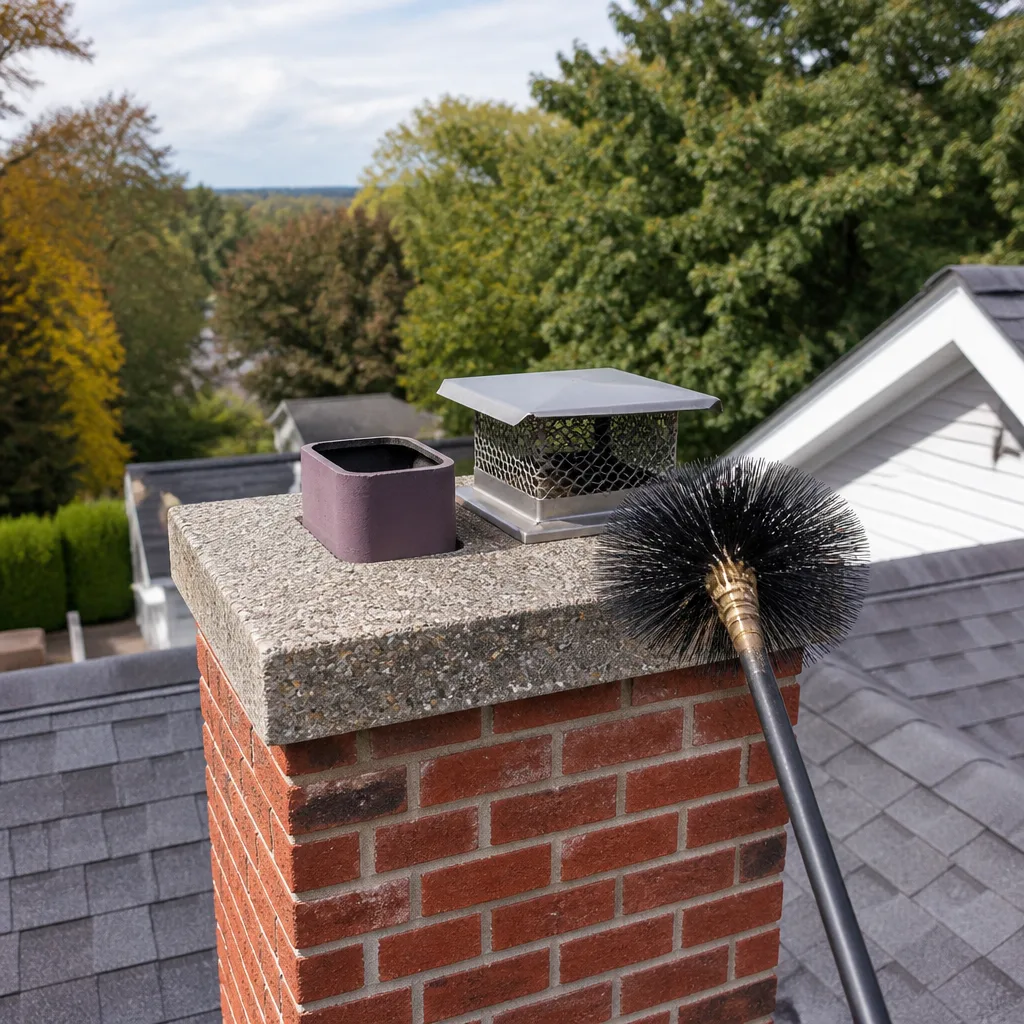 Sweep & inspection
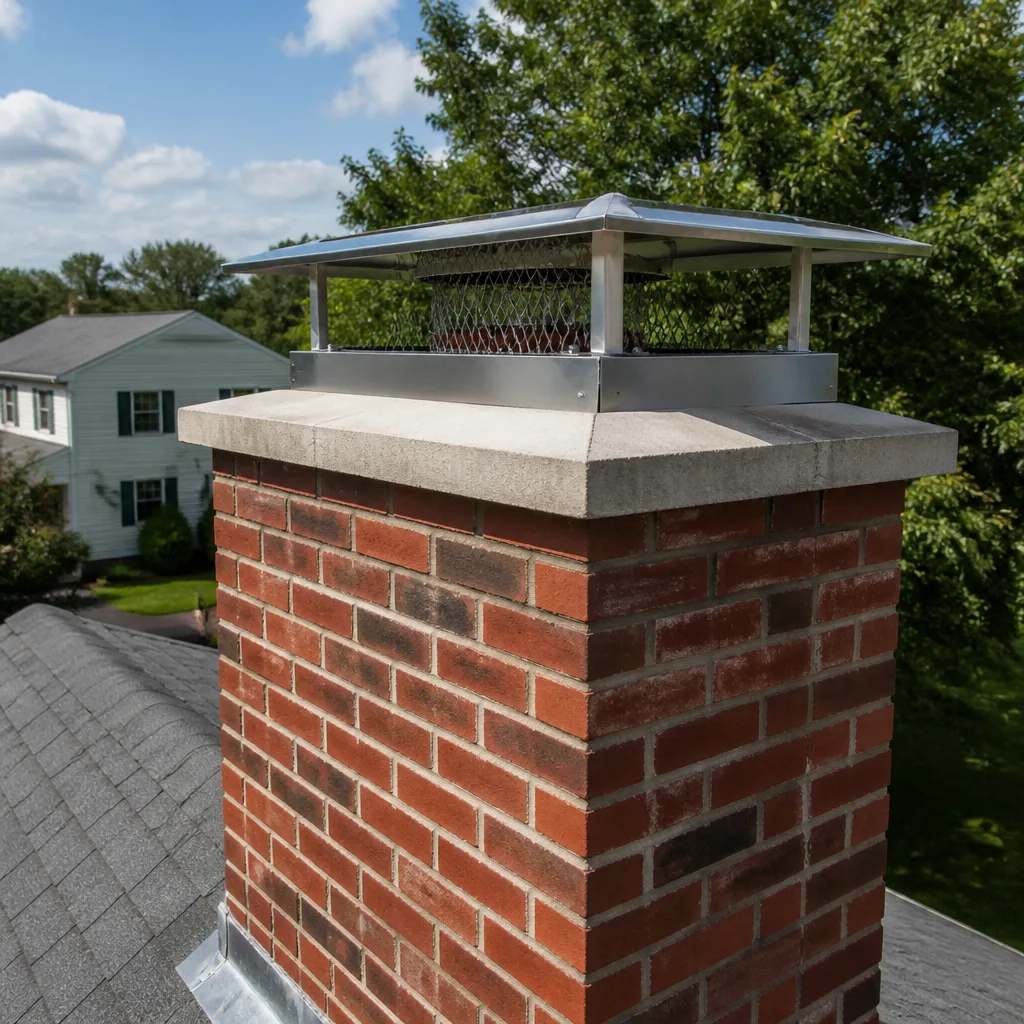 Caps & crowns
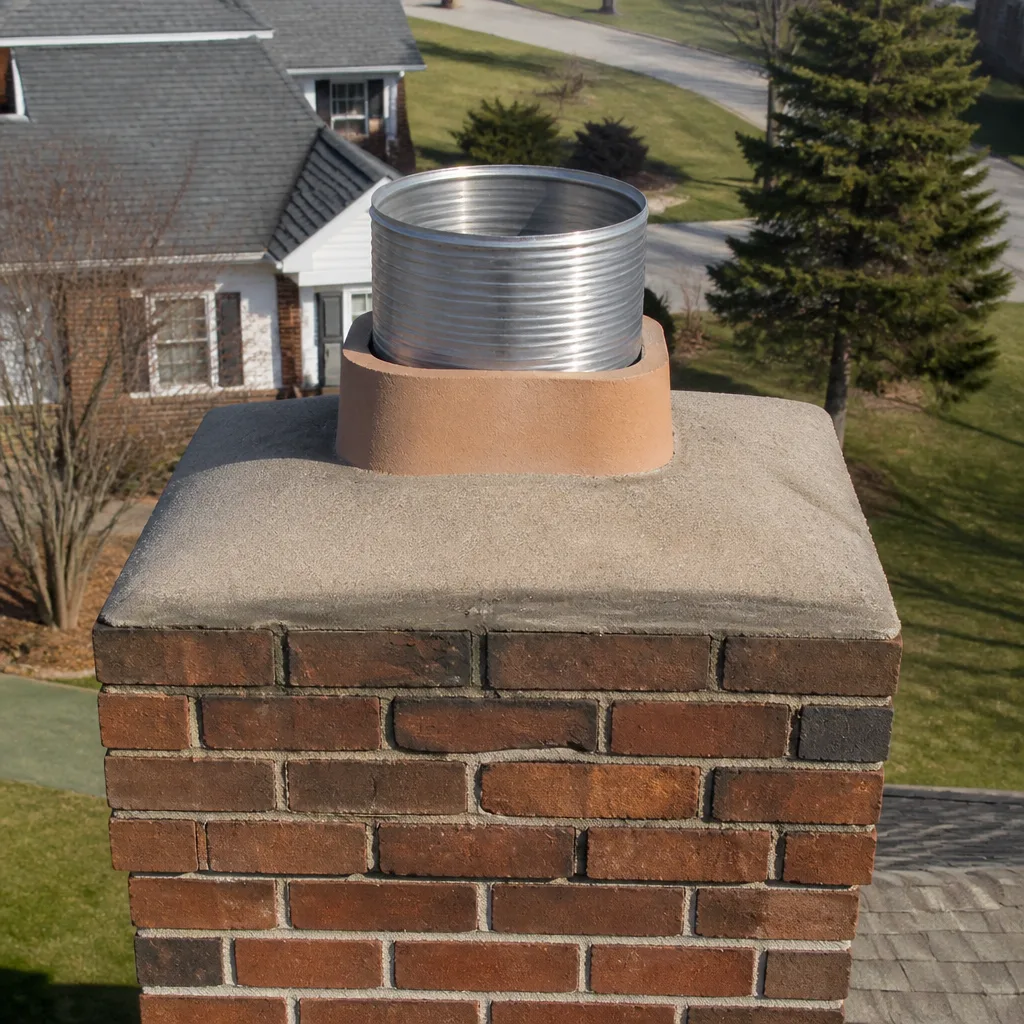 Flue relining
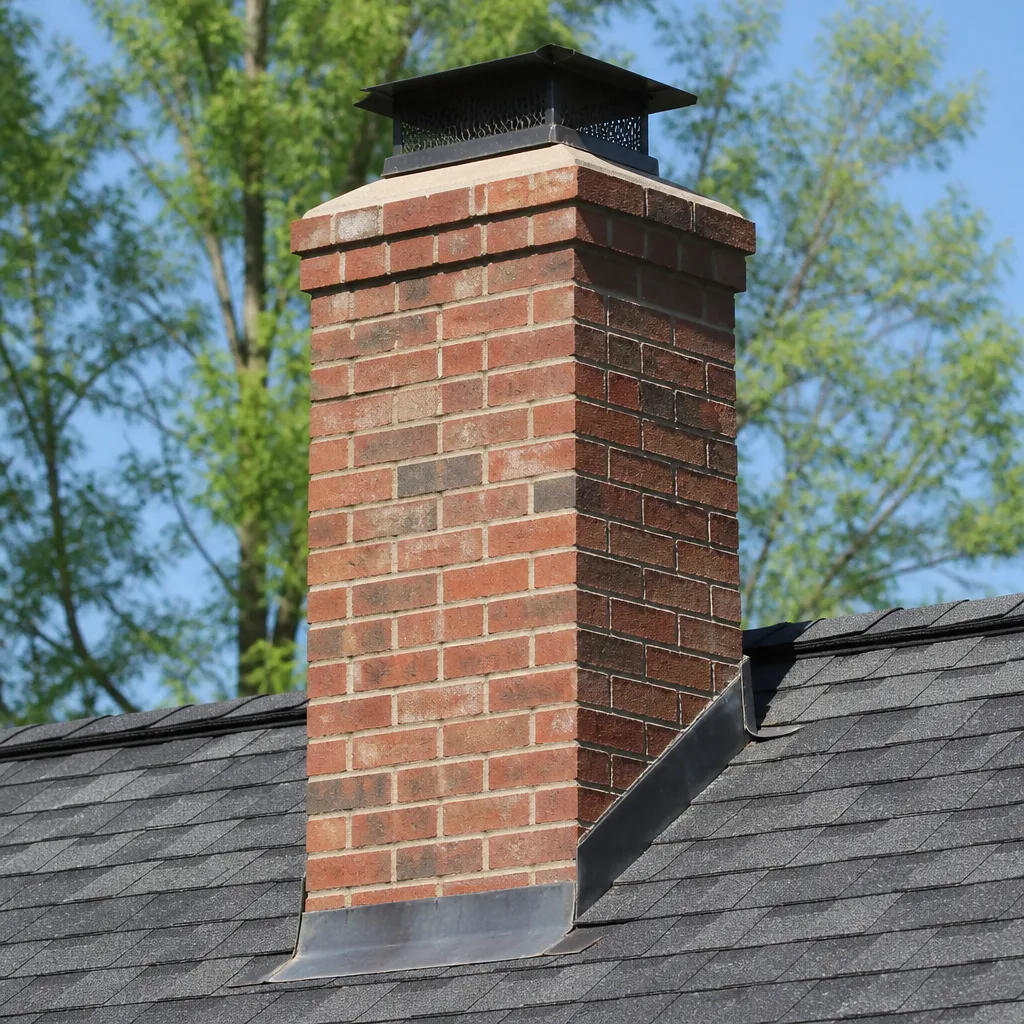 Masonry repair
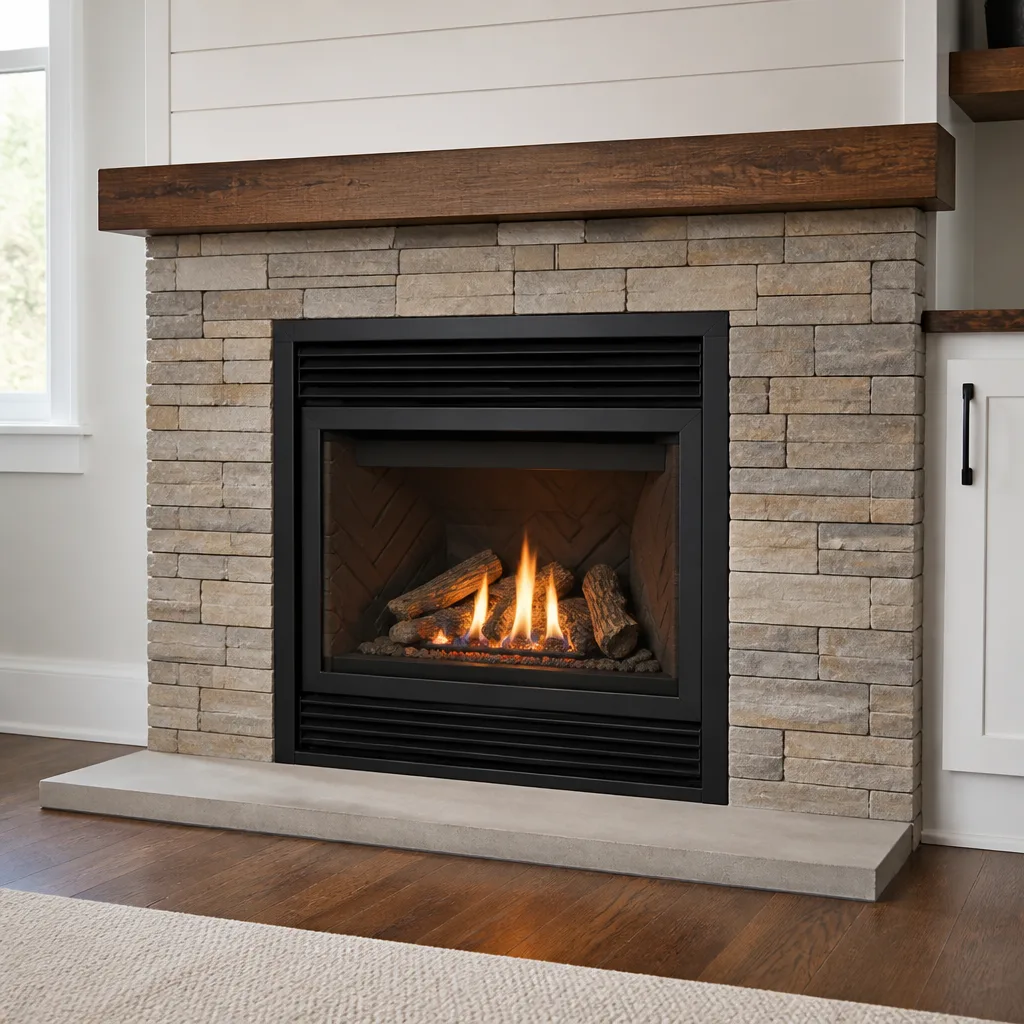 Gas fireplace service
Level 1 sweep and inspection to the NFPA 211 annual standard - flue, crown, cap, and flashing checked and photographed
Chimney sweep logs do not sweep chimneys. They loosen some creosote - which then falls where a brush and vacuum still have to collect it.
How to Hire a Chimney Cleaning Contractor in South Coast Metro: A Step-by-Step Guide
California does not require chimney sweeps to hold a state license. CSIA certification is voluntary, and any unlicensed contractor can legally offer chimney cleaning in South Coast Metro today. That means the vetting falls on you – and most hiring guides skip the questions that actually separate a full-system technician from a sweep-and-leave crew. This guide gives you a contractor interview framework built around technical accountability: what to ask about liner materials, what a real camera inspection looks like, how to verify certification, and the red flags buried in a vague quote. By the end you’ll know how to hire a chimney professional in South Coast Metro with confidence rather than guesswork.
Quick Answer
To hire a chimney cleaning contractor in South Coast Metro, verify CSIA certification directly through CSIA’s online lookup, ask for a written scope of work before any cleaning begins, confirm what camera equipment the contractor uses for inspection, and require a written report with photos of the flue, smoke chamber, and cap. A legitimate contractor will answer material questions (what liner system, what parging compound, what cap specification) without pressure to approve same-day repairs. If the answers are vague, walk away.
Styles & brands we work with
- Sweep & inspection
- Caps & crowns
- Flue relining
- Masonry repair
- Gas fireplace service
Table of Contents
- Why California’s Lack of Licensing Makes Your Questions Matter
- Step 1: Verify CSIA Certification Through the Official Lookup
- Step 2: The Contractor Interview – 8 Questions That Reveal Technical Depth
- Step 3: Why the Camera Equipment Matters for Your Inspection
- Step 4: What a Written Inspection Report Should Actually Contain
- Step 5: Reading a Chimney Cleaning Quote – Line Items and Red Flags
- Step 6: Evaluating Repair-Grade Materials and Supplier Depth
- Step 7: Matching the Contractor’s Scope to Your Chimney’s Needs
Why California’s Lack of Licensing Makes Your Questions Matter
Most states regulate chimney work under a contractor license classification. California doesn’t. The Contractors State License Board oversees general and specialty construction trades, but chimney sweeping and much routine chimney maintenance sit outside that framework. In South Coast Metro, this means the person who shows up to clean your flue may have years of formal training or none at all. There’s no state exam filtering out the unqualified – the homeowner becomes the gatekeeper.
This isn’t a reason to panic. It’s a reason to ask better questions. The chimney trade has its own voluntary credential – the Certified Chimney Sweep designation from the Chimney Safety Institute of America – and contractors who pursue it tend to treat the trade as a craft rather than a side gig. But the certification is a starting point, not a finish line. What you’re really screening for is whether the contractor can evaluate and repair the whole system, not just push a brush through the flue and move on.
Think about what a chimney actually is. It’s a flue liner, a smoke chamber, a damper assembly, a firebox, a crown, and a cap, all working together to move combustion gases safely out of the house. A sweep-and-leave crew cleans the flue and leaves. A full-system technician inspects every component, identifies what’s failing, and has the supply chain to fix it. The questions in this guide are designed to tell the difference before you sign anything.
For homeowners in South Coast Metro – where fireplaces get real use during the cooler months and where older homes often carry chimney systems that haven’t been opened up in years – that distinction has practical weight. A cleaning without an honest inspection tells you almost nothing about the state of your system.
Step 1: Verify CSIA Certification Through the Official Lookup
If a contractor claims CSIA certification, verify it yourself before the appointment. The Chimney Safety Institute of America maintains an online directory of certified sweeps. Go to the CSIA website, search the contractor’s name or company, and confirm the certification is current. Certifications require renewal, and a lapsed credential tells you something about how seriously a business treats ongoing training.
Verification takes about two minutes. Do it anyway. Here’s a simple process:
- Get the contractor’s full name and company name as it appears on their insurance documents.
- Visit CSIA’s official site and use their online lookup tool for certified professionals.
- Confirm the certification status and any expiration date shown.
- Ask the contractor what additional training the technicians hold beyond the baseline certification.
- Ask how often their technicians train and what continuing education looks like.
What if the contractor isn’t CSIA certified? That’s not automatically disqualifying. Plenty of experienced tradespeople work without the credential. But it raises the bar on every other question you’ll ask in this guide. Certification gives you an independent, third-party answer to “is this person trained?” Without it, you need to rely on the interview, the references, and the quality of their answers about materials and inspection equipment.
In our experience working South Coast Metro chimney systems, the contractors worth hiring are usually the ones who bring up their training credentials before you ask. They volunteer the inspections they’ve done, the materials they stock, and the brands they work with – DuraFlex, Olympia Chimney, HeatShield, Gelco, Famco – because those are the signposts of a contractor engaged with the professional side of the trade. If you have to drag basic qualification details out of them, that’s information too.
Our technicians have up to 11 years of experience working with full chimney and fireplace assemblies, and we’ve seen how much difference the right questions make. Ask them.
Step 2: The Contractor Interview – 8 Questions That Reveal Technical Depth
This is the core of the hiring process. A contractor who knows the trade will answer these without hesitation. Hesitation, scrambled answers, or deflection tell you everything you need to know.
1. What brand of flue liner do you install? If the answer is “whatever’s available” or “we just use standard liners,” that’s a warning sign. Professional contractors work with specific, tested liner systems – DuraFlex is a common one – and can explain why they chose it for your chimney configuration.
2. Do you offer smoke chamber parging, and what compound do you use? Smoke chamber parging smooths the transition above the damper to reduce creosote buildup and improve drafting. A contractor unfamiliar with the technique, or who answers “we don’t do that,” lacks a repair capability the system often needs.
3. What cap specifications do you recommend, and where do you source the cap? A generic hardware-store cap is a stopgap. Quality caps come through professional supply lines – Gelco and Famco are both reputable – sized to the flue, with proper screening and a mounting method that holds up. Ask whether the cap is sized for your flue opening or chosen for convenience.
4. What if my liner has cracks – do I always need a full replacement? A good answer to this one covers options. HeatShield ceramic resurfacing, for example, can restore a compromised liner in some cases without a full tear-out. A contractor who only knows “replace the whole liner” hasn’t invested in less invasive repair solutions.
5. How do you inspect the flue? This leads into the camera question we cover in the next section. The short answer: any contractor claiming to inspect your chimney without a camera is giving you a visual once-over, not an inspection.
6. Do you provide written inspection reports with photos? A written report with photos of the flue, smoke chamber, cap, and crown gives you something concrete to review and compare. Verbal summaries drop the accountability.
7. Can you do the repair work, or do you refer it out? This is where the full-system model matters. A contractor who finds a cracked crown or a failing cap and then refers you to a different company for the repair creates a gap in accountability. One company that handles fireplace repair, liner work, and crown and cap installation from a single scope is in a better position to fix what they found.
8. What does your written scope of work include – cleaning, inspection, and disclaimers? Every line item should be spelled out: what gets cleaned, what gets inspected, what the report covers, what’s excluded. Vague language like “standard cleaning package” is a red flag.
Walk through all eight questions before you book. A contractor who struggles on three or four of them isn’t going to reliably handle your chimney.
Step 3: Why the Camera Equipment Matters for Your Inspection
The difference between a cheap borescope and a professional video inspection system determines what your inspection can actually find. A basic borescope is a thin cable with a small light – useful for a quick peek, but its resolution, lighting, and maneuverability limit what it can see. Cracks in the upper flue, gaps at joints, and creosote glazing deeper in the system are easy to miss on a low-resolution screen.
A proper chimney video inspection system uses a high-resolution camera with its own lighting, mounted on a reel and rod that can travel the full length of the flue. The operator sees the liner wall clearly and records footage you can review. That difference is decisive when you’re trying to determine whether a liner is failing. Cracks that are hairline at low resolution are clearly visible on a proper system.
What to ask before the inspection:
- What camera system do you use, and can I see the footage afterward?
- Will you photograph any defects you find?
- Do you scan the full length of the flue from top to damper, or just the accessible portion?
- Will my report include the images, or just a written description?
These questions aren’t adversarial – they’re the same ones a professional contractor would want answered if they were hiring someone to inspect their own chimney. If you’ve booked a routine chimney sweep, ask whether camera inspection is included or available as an add-on. The best time to get real footage of your flue is when you’re already scheduled.
The other benefit of recorded footage: you have a baseline. If your liner looks sound this year and shows a visible crack next year, you have documentation of what changed and when. That record matters in South Coast Metro homes where fireplaces get seasonal use but inspections may only happen every few years.
In our own practice, the inspection footage we generate drives the recommendations we make. Nothing gets recommended without photographic evidence the homeowner can see. That’s the standard to ask for.
Step 4: What a Written Inspection Report Should Actually Contain
Most chimney inspection reports you’ll receive are one page long and say little more than “sweeping completed, no major issues observed.” That’s not a report. That’s a receipt. A real inspection report gives you enough information to make decisions about your chimney, and enough evidence to verify what the contractor saw.
A complete written inspection report should include:
- Date and scope of inspection – what was inspected, from where, and with what equipment.
- Photos of each component – flue liner, smoke chamber, firebox, damper, crown, cap, exterior masonry.
- Findings per component – each part noted as satisfactory, monitor, or requiring repair.
- Condition of the liner – with specific reference to cracks, gaps, glazing, or spalling.
- Condition of the crown and cap – note cracks, rust, missing screens, or improper sizing.
- Creosote level – and whether sweeping was sufficient or a more aggressive cleaning method was needed.
- Recommendations with priority levels – what needs fixing now, what can wait, and what to monitor.
- Written estimate for any recommended repairs – with line items, not a lump sum.
Compare that to what most homeowners receive. A phone call, a verbal summary, maybe a photo taken on a smartphone. It’s easy to see why so many people feel unsure about whether they were actually told the truth. When a report is in writing with photos and clear findings, you can take your time, compare what you were told, and make an informed decision. Nothing is recommended without camera evidence you can see for yourself.
The best reports also tell you what doesn’t need fixing. A contractor confident in their inspection has no problem saying “your liner looked questionable at the top but the full run is solid – monitor it, no action needed this year.” That willingness to report findings honestly, including the ones that don’t generate revenue, is a sign of a contractor with a real reputation to protect.
For more detail on what we include in inspection reports, see our page on Chimney Sweep South Coast Metro services.
Step 5: Reading a Chimney Cleaning Quote – Line Items and Red Flags
A vague chimney cleaning quote is one of the most common warning signs, and it’s easy to miss because vague quotes look clean and tidy. “Chimney cleaning and safety inspection – $X” reads fine until you realize it doesn’t tell you what type of cleaning method was used, what the inspection covers, what happens if issues are found, or whether the price changes if the job is bigger than expected.
Here’s what a quote should look like:
- Cleaning method – standard brush, rotary, or chemical, and why that method was chosen.
- Access and prep – floor protection, containment, and what happens with soot and debris.
- Inspection scope – camera equipment, components covered, and whether photos are included.
- Report delivery – written, photographed, delivered when.
- Repair options – if findings turn up, whether repairs are quoted separately or included in the scope.
What to watch for in the quote:
- Lump-sum pricing without scope language – “$299 chimney cleaning” tells you nothing about what’s included.
- Pressure to approve repairs same day – a contractor who finds a “critical” issue and needs your approval by close of business is using time pressure in place of evidence. A real finding survives overnight.
- No mention of inspection equipment – if the quote doesn’t discuss the camera, the inspection is probably a visual peek.
- Bundled “protection” products – water-repellent treatments, microbial sprays, and seasonal “packages” that solve problems you didn’t know you had get added to the total without evidence.
- Estimates tuned to the neighborhood – the price shouldn’t change based on which South Coast Metro street you’re on.
Ask for a written estimate before any work begins, and ask the contractor to note any conditions that could change the price. The estimate is free and the final price is set per job by the written estimate. If a contractor won’t put the scope in writing, that’s your answer.
Step 6: Evaluating Repair-Grade Materials and Supplier Depth
Whether a contractor stocks professional-grade materials or picks up whatever the local hardware store offers is one of the strongest signals of their technical commitment. Chimney repair isn’t a generic construction job – the materials have to withstand heat cycling, corrosive flue gases, and weather exposure. The difference between a professional-grade liner, cap, and crown and a generic replacement shows up over years, not next week.
Reputable professional supply lines include DuraFlex for flexible liners, HeatShield for ceramic resurfacing, Olympia Chimney for liner and cap components, Gelco and Famco for ventilation and cap assemblies, and Copperfield for specialty components. If a contractor doesn’t recognize any of these names, they aren’t working in the professional side of the trade.
Here’s why supplier depth matters practically:
- Caps sized correctly – professional caps come in the sizes and specifications your flue needs. Generic hardware-store caps come in “close enough.”
- Crowns built for weather and heat – a crown is the concrete cap at the top of the masonry; it takes weather abuse and has to be installed with the right mix and crown geometry.
- Liner systems matched to the application – flexible liner systems like DuraFlex come in different grades for wood-burning, gas, and oil applications. A professional picks the right one for your setup.
HeatShield is worth flagging specifically because it’s a specialist solution most local contractors don’t offer. It’s a ceramic resurfacing system that can restore a compromised liner without a full reliner tear-out. When your liner is failing in places – cracked sections, spalled joints – HeatShield may be a legitimate middle option between “monitor it” and “replace everything.” A contractor who doesn’t know the system only has those two answers. A contractor who does has three.
Ask directly: “Do you work with HeatShield for liner resurfacing?” If the answer is yes, ask how they determine when resurfacing is appropriate versus a full replacement. If it’s no, ask what their middle option is. The answer tells you a lot about how broadly they can serve your chimney.
Step 7: Matching the Contractor’s Scope to Your Chimney’s Needs
Most chimney problems involve more than one component. A cap that’s failed lets water into the flue, which damages the liner, which compromises the smoke chamber. A crown that’s cracked lets water into the masonry, which spalls the brick and loosens mortar joints. Fixing one component without addressing the others just moves the failure around.
This is why the contractor’s service scope matters. Ask what they actually do in-house:
- Chimney sweeping – the cleaning itself.
- Chimney inspection – camera-based, with written reports.
- Fireplace repair – firebox, damper, refractory panels.
- Chimney repair – liner, smoke chamber, masonry.
- Cap and crown installation – with professional-grade components.
A contractor who covers all five is in a position to inspect, diagnose, and repair without handoffs. A contractor who only covers sweeping will find problems and refer you elsewhere, which means the next company re-inspects, re-diagnoses, and may contradict what you were told. Two contractors, two opinions, one confused homeowner.
For South Coast Metro homeowners, this matters most when the chimney is showing its age. If your chimney cap & crown work is overdue and the liner is aging, the contractor who does all of it is going to give you a more consistent result than three contractors working on three different components. For the same reason, a dedicated inspection without repair capability is just a report – we do both.
Before you book, ask for the contractor’s service list in writing. Then ask what happens if the inspection findings require services they don’t offer. If the answer involves “we’ll refer you,” you’ve just seen the gap.
Common Mistakes to Avoid
- Accepting a verbal quote. A number over the phone isn’t a quote. Ask for the written scope before you schedule, and confirm that no line item is “TBD.”
- Skipping CSIA lookup. If you don’t verify certification directly through CSIA’s directory, you’re trusting a business card. Two minutes on the CSIA site settles it.
- Approving repairs under same-day pressure. A contractor who finds a “critical” issue and needs approval before sunset is using urgency in place of evidence. Real findings hold up overnight. Ask for the photos and take a day to review.
- Assuming the cheapest quote is the right quote. Low quotes often exclude camera inspection, written reports, or repair capability. Read what’s included before comparing prices.
- Booking without asking what camera they use. A borescope is not a video inspection system. Ask what equipment they bring, and ask to see the footage before the visit ends.
- Hiring a sweep-only contractor for a system that needs repair. If your crown is cracked or your liner shows glazing, the sweep-only contractor will find it and refer you out. One company that covers the full scope prevents the second and third visits.
- Ignoring the written report. If you receive a report and don’t review it, you’ve wasted the money. The report is the point of the inspection. Read it, ask questions, and prioritize the recommendations.
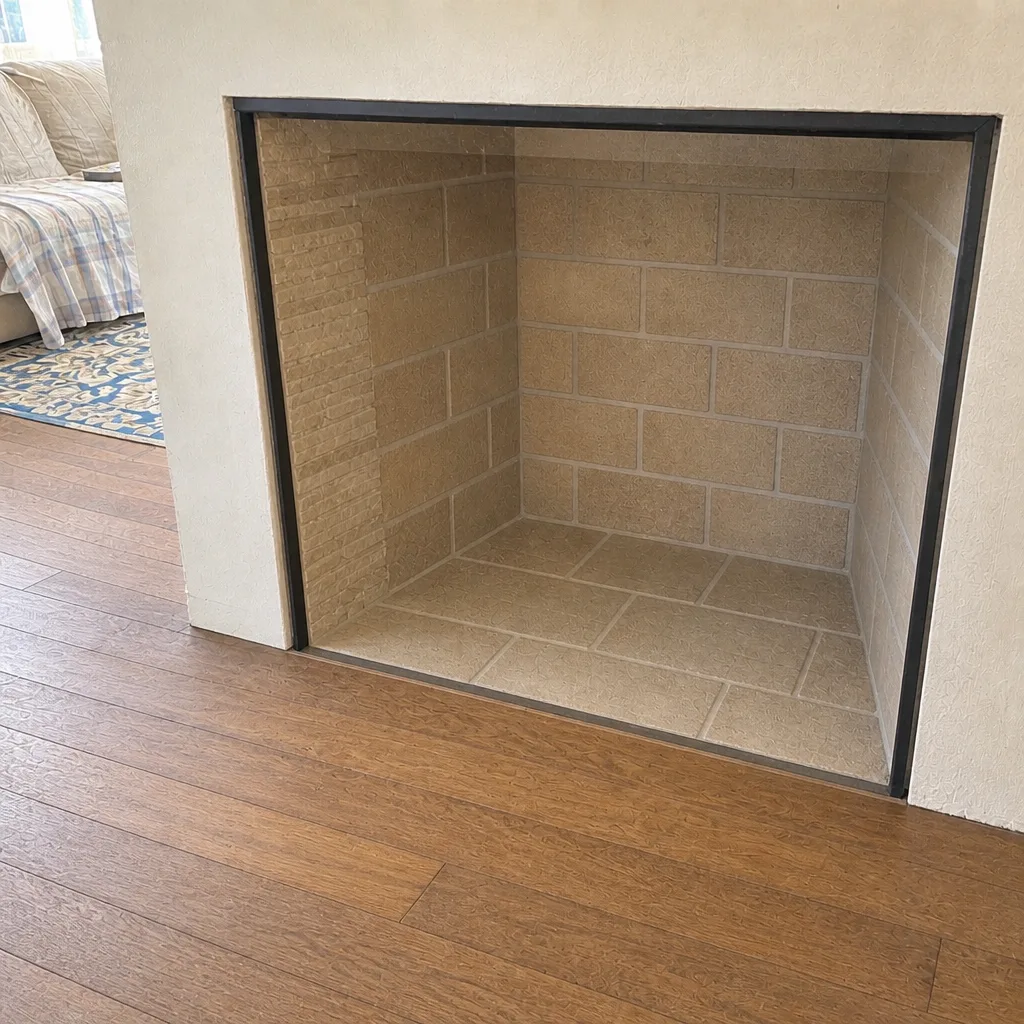
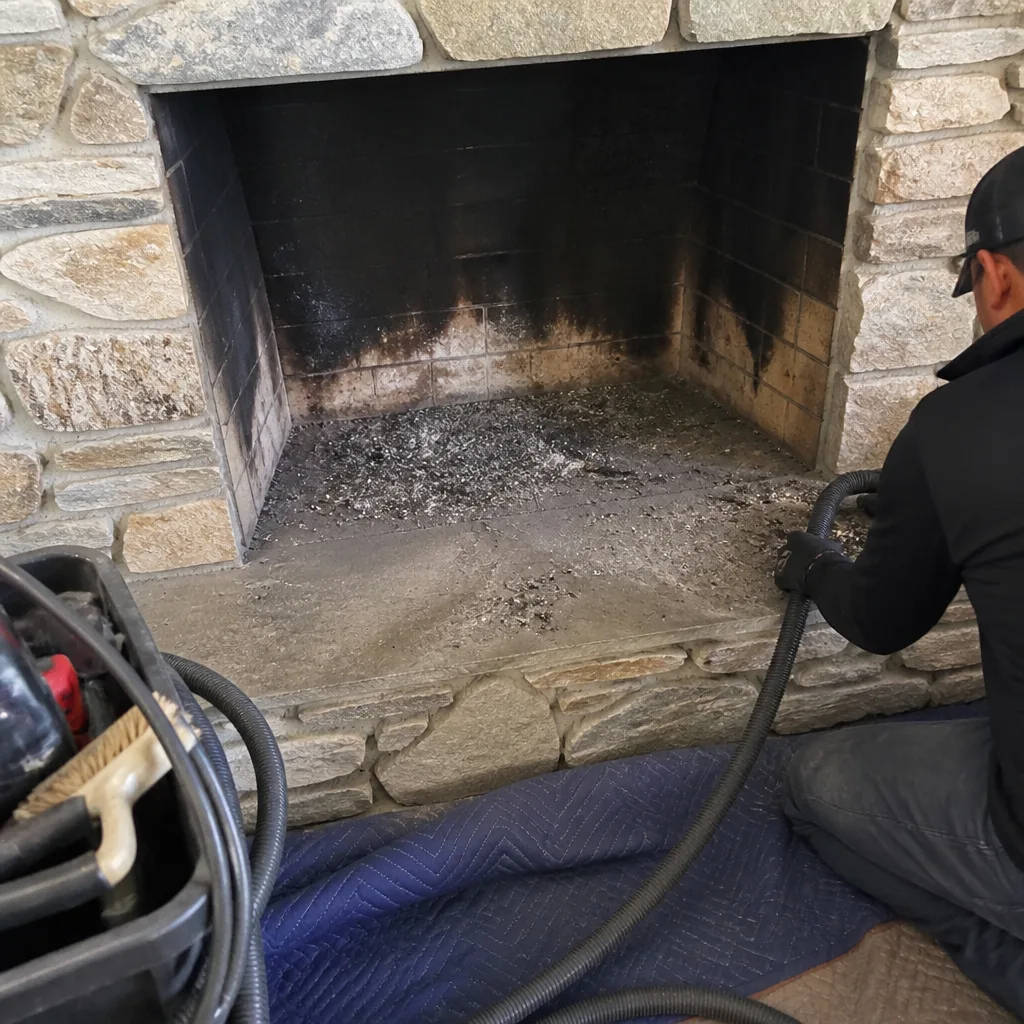
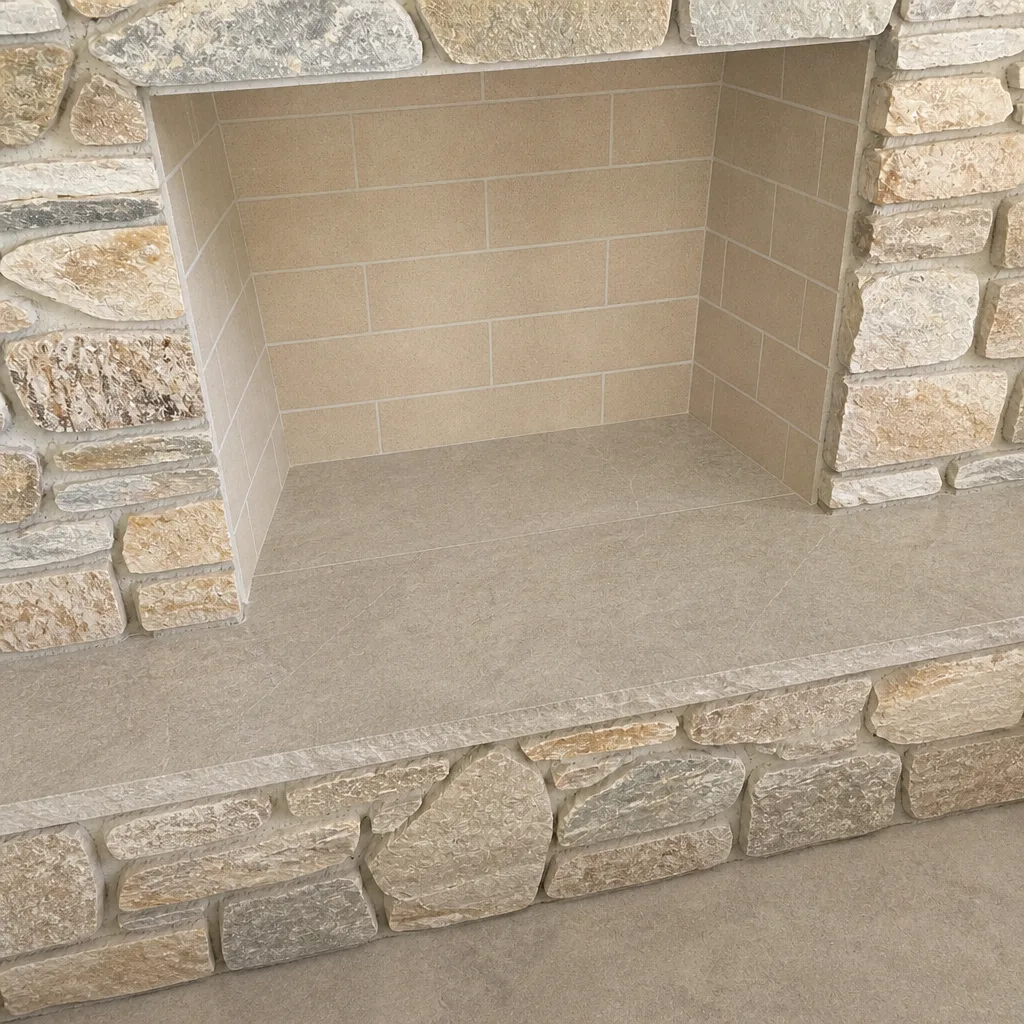
See the difference
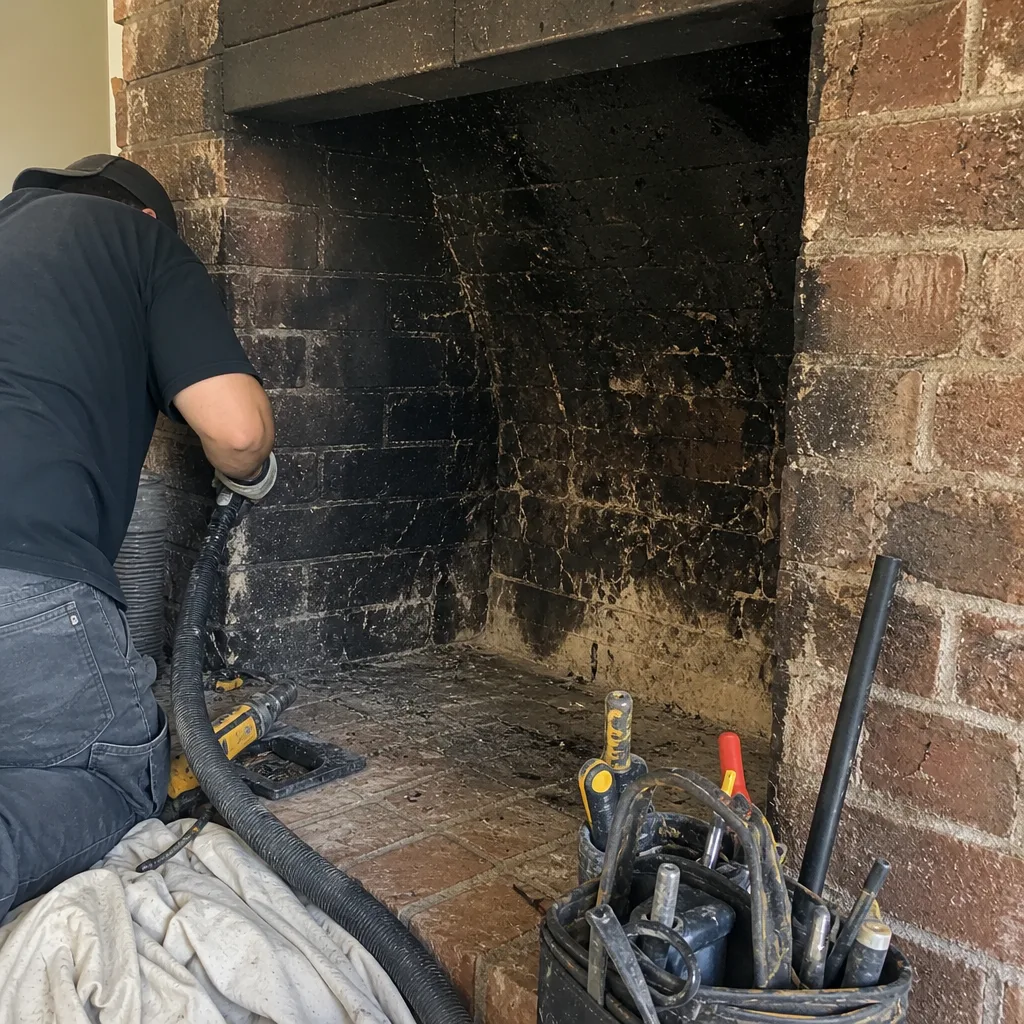 Before
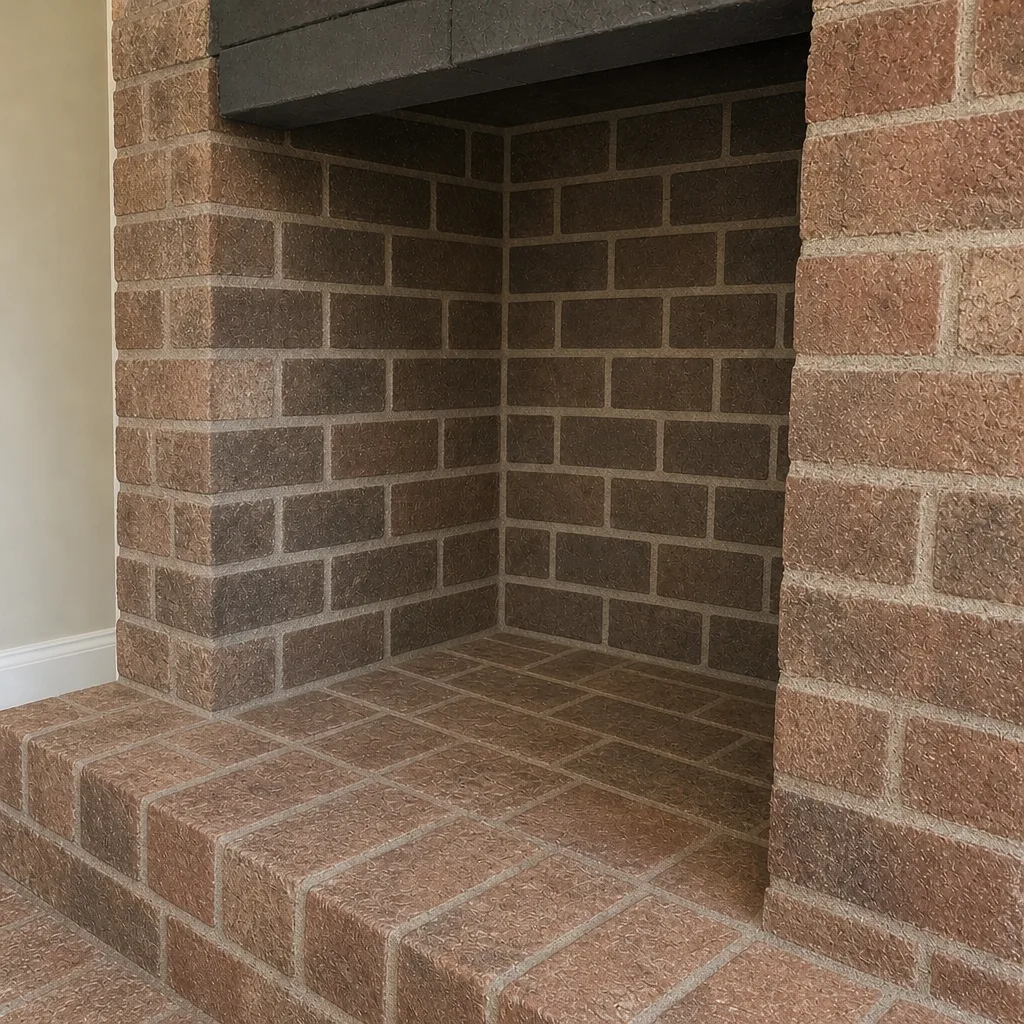 After
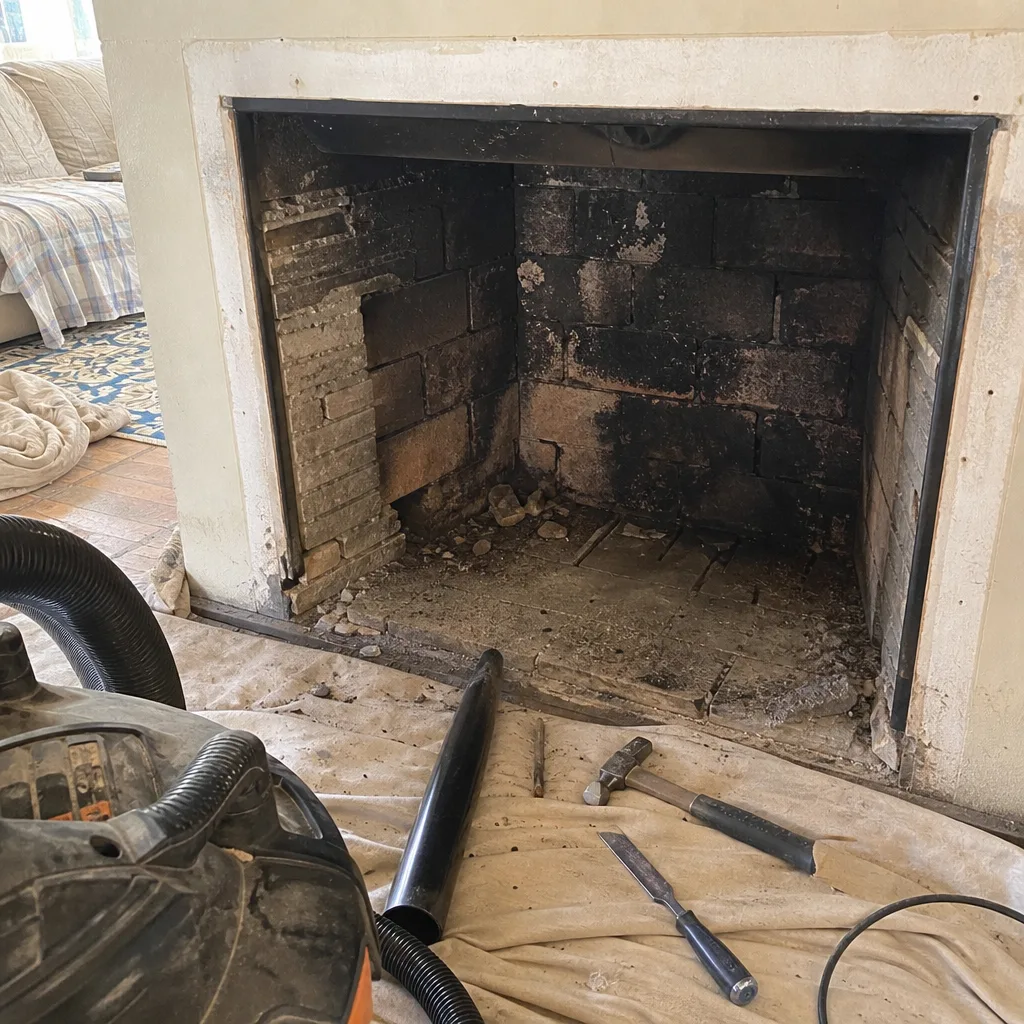 Before
 After
 Before
 After
When to Call a Professional
Call a licensed chimney professional when: you haven’t had the chimney inspected in more than a year of regular use; you smell smoke in the house when the fireplace is burning; you see cracked or missing mortar, a damaged crown, or a loose cap; you notice black staining at the top of the chimney; the firebox has visible cracks in the refractory brick; or you’re buying a home in South Coast Metro and want an independent read on the chimney before close of escrow. Also call if the liner has never been inspected with a camera – you can’t know its condition without one.
Chimney Sweep South Coast Metro offers free estimates in South Coast Metro. Call (833) 509-5393. We answer 24/7. Fast dispatch from 7am to 7pm, Sunday through Friday.
Frequently Asked Questions
Chimney cleaning in South Coast Metro typically runs from $150 to $350 depending on the flue configuration, the level of creosote buildup, and whether camera inspection is included. Cleaning that involves heavy creosote or difficult access sits at the higher end of that range. The written estimate sets the final price, and the estimate is free. Call (833) 509-5393 for an exact quote.
A camera inspection is the only way to actually see the interior of the flue from top to damper. A visual check from the firebox and the roof gets you about a third of the picture. Liner cracks, joint gaps, and creosote glazing hide in the portions you can’t see without a camera. If a contractor doesn’t bring one, the inspection is incomplete. Ask for footage. Call (833) 509-5393 for an inspection with photo evidence.
No. A recommended liner replacement should come with photographic evidence of the damage, a written report, and a clear explanation of what happens if you wait. You’re allowed to take a day to review the findings. A contractor confident in the diagnosis has no problem with that. Nothing should be recommended without camera evidence you can see. Call (833) 509-5393 if you want a second opinion on the recommendation.
The general rule is once per year of active fireplace use, or any time creosote buildup reaches a quarter-inch. South Coast Metro fireplaces that burn regularly through the cooler months typically need an annual sweep. Wood-burning appliances used lightly may stretch to a longer interval, but an annual inspection is still worth doing. Call (833) 509-5393 to book a sweep and inspection together.
HeatShield resurfacing is a legitimate alternative to full liner replacement in specific cases – typically when the liner is compromised in sections but structurally sound overall. It’s not a universal replacement, and a good contractor will tell you when the liner has failed too completely for resurfacing to be appropriate. Ask for the camera evidence for both options so you can see why one is recommended over the other. Call (833) 509-5393 to discuss what your liner actually needs.
Check that the cleaning method, inspection equipment, report format, and repair options are all spelled out in writing. Look for any line items labeled “standard package” or “as needed” that don’t explain what’s covered. Confirm whether camera inspection and written reports are included in the price or added separately. No written scope means no booking. Call (833) 509-5393 to receive a written scope for your chimney.
The Bottom Line
Hiring a chimney cleaning contractor in South Coast Metro comes down to the questions you ask before the appointment. Verify CSIA certification through the official lookup. Ask about camera equipment and expect a written report with photos. Ask what liner brand, what parging compound, and what cap specification the contractor actually works with – DuraFlex, HeatShield, Olympia Chimney, Gelco, and Famco aren’t trivia, they’re signals of technical depth. Read the quote as a scope document, not a dollar figure. Reject same-day repair pressure. And match the contractor’s service list to the components your chimney actually has. Ask the right questions and you’ll hire someone who can inspect, explain, and repair the whole system. Skip them, and you’ll get a brush through the flue and a vague reassurance.
Written by the team at Chimney Sweep South Coast Metro.
Chimney Sweep South Coast Metro offers free estimates in South Coast Metro for chimney sweeping, chimney inspection, fireplace repair services, chimney repair, and chimney cap & crown installation. Call (833) 509-5393. We answer 24/7. Fast dispatch from 7am to 7pm, Sunday through Friday.