
Last updated November 23, 2026
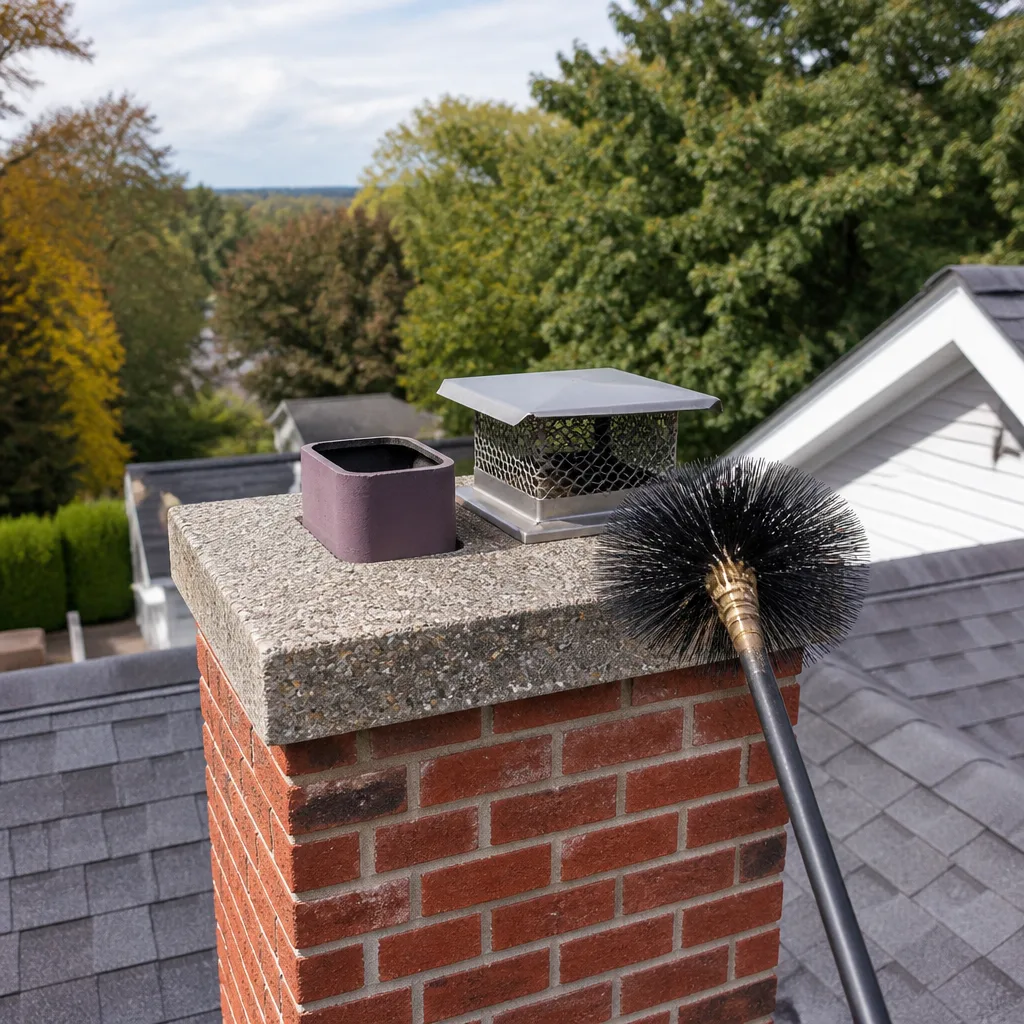 Sweep & inspection
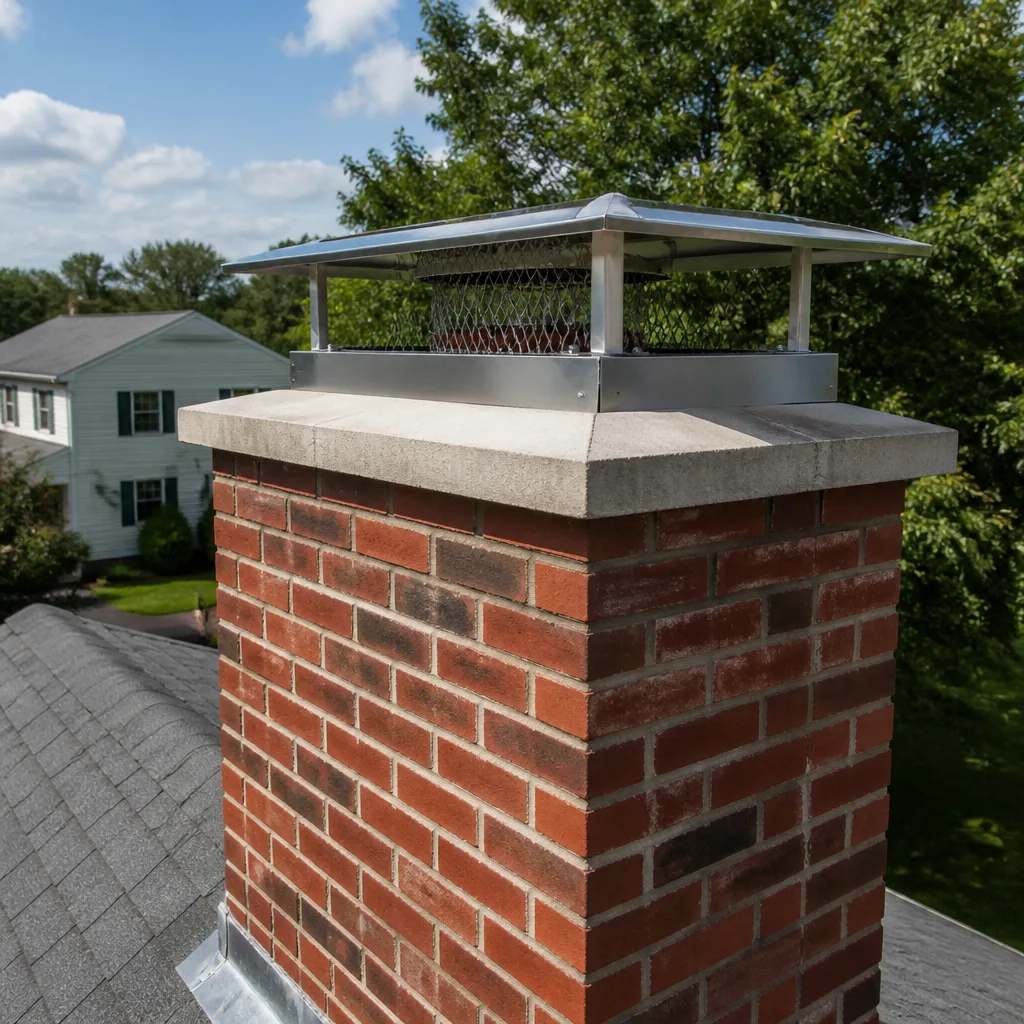 Caps & crowns
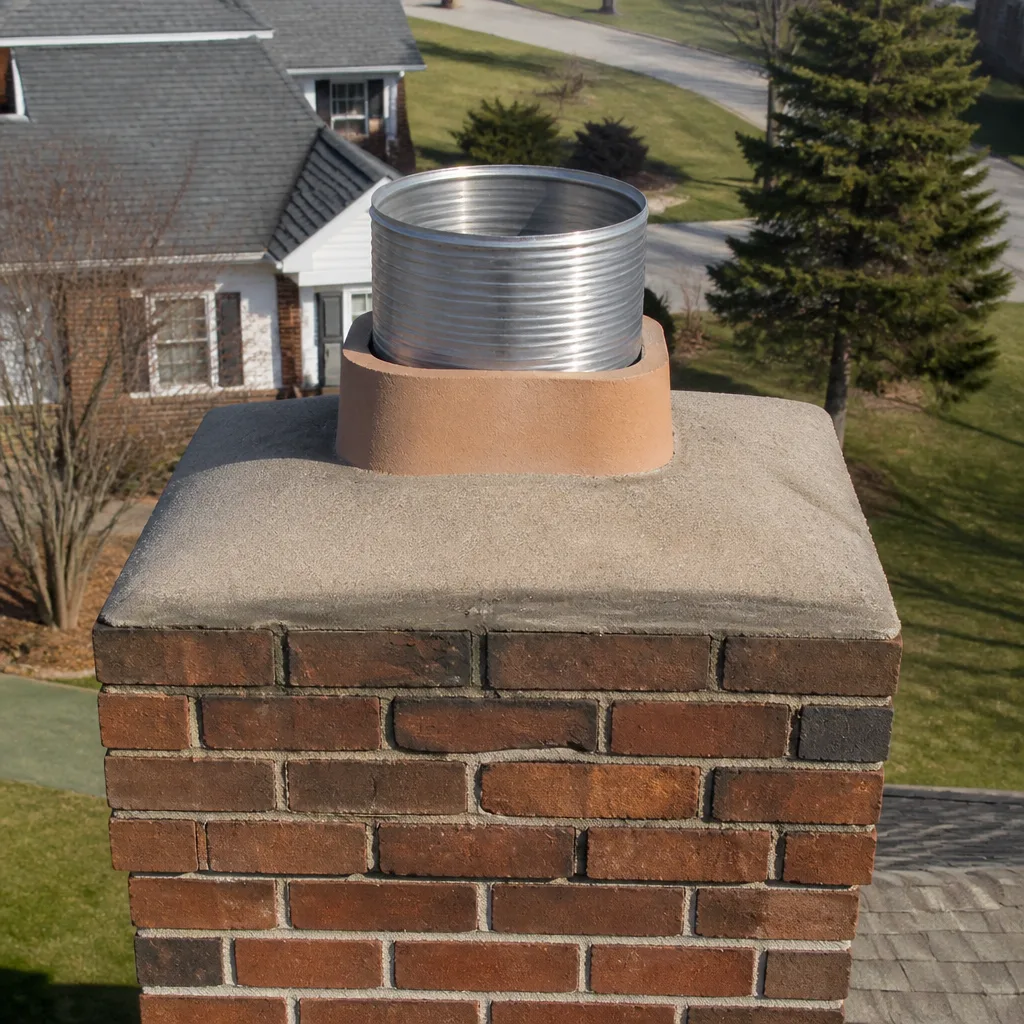 Flue relining
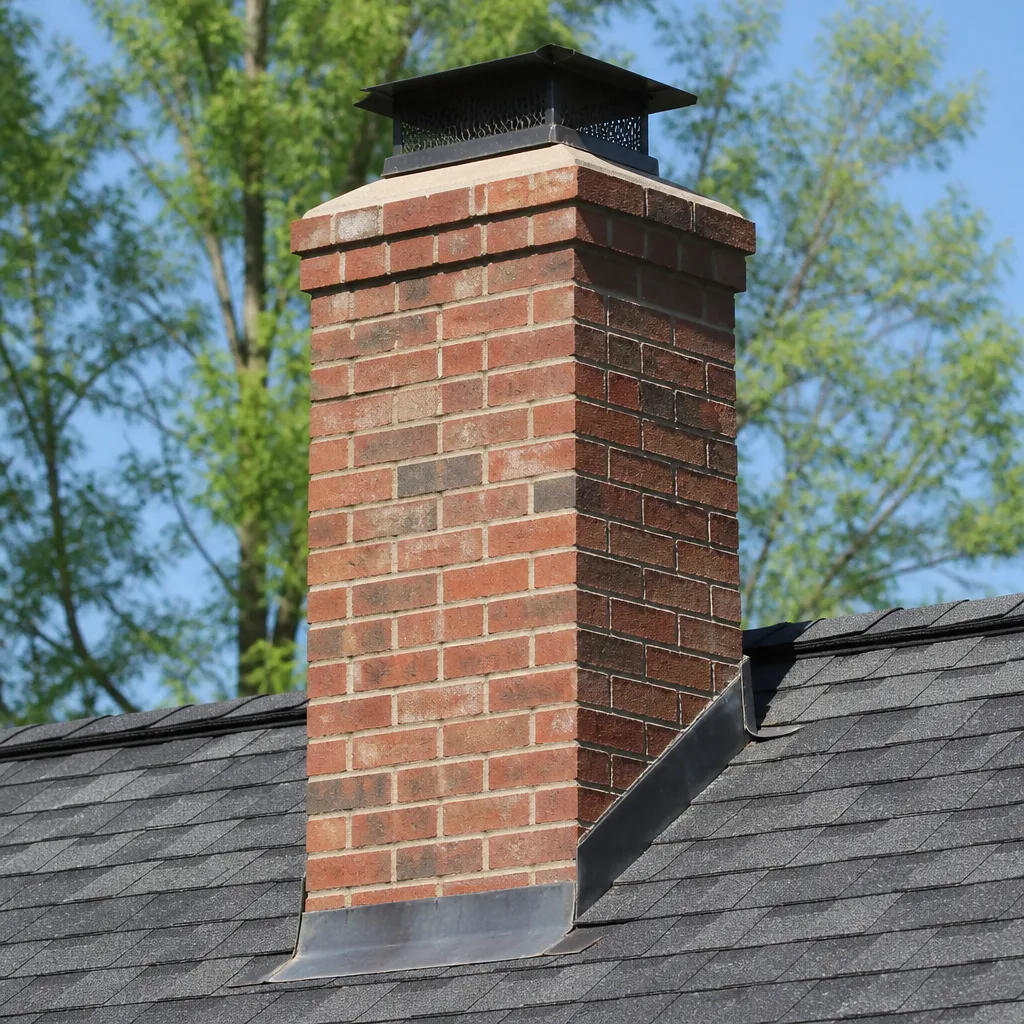 Masonry repair
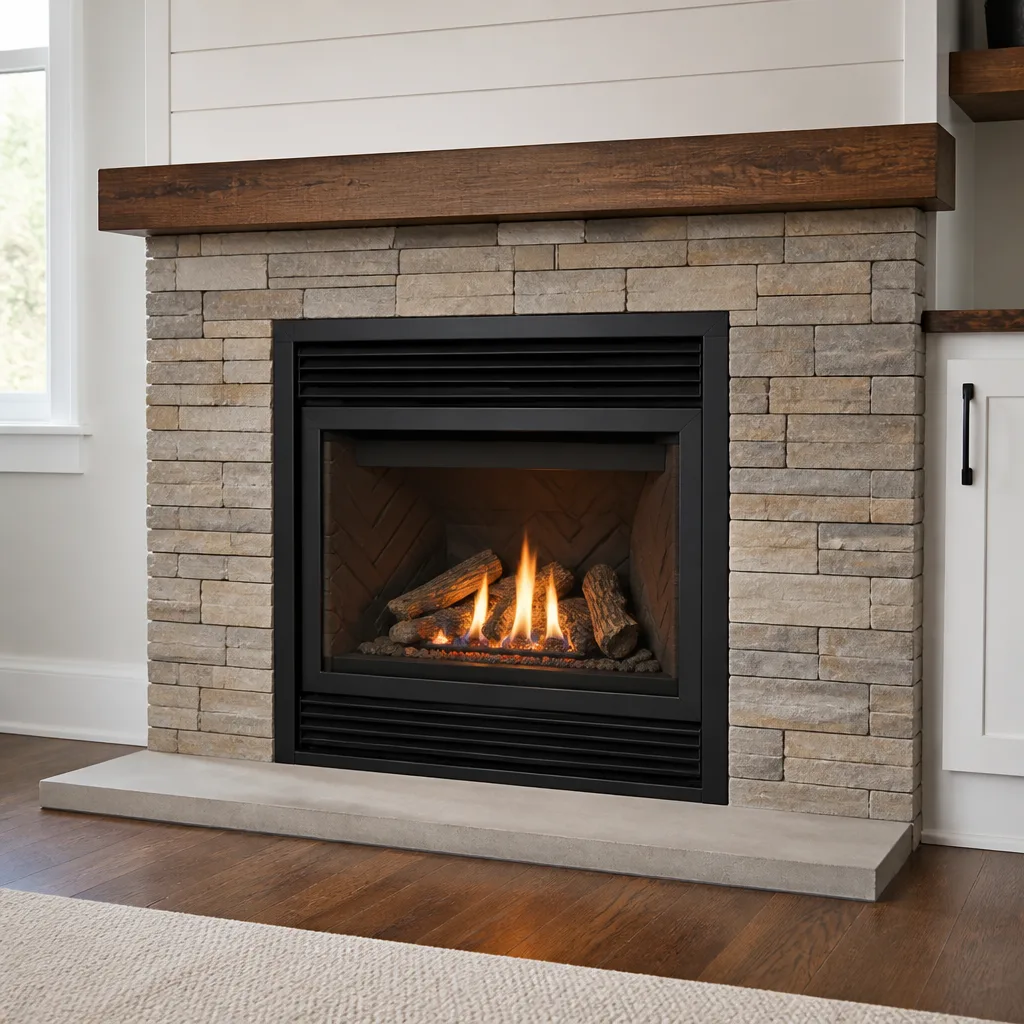 Gas fireplace service
Level 1 sweep and inspection to the NFPA 211 annual standard - flue, crown, cap, and flashing checked and photographed
Chimney sweep logs do not sweep chimneys. They loosen some creosote - which then falls where a brush and vacuum still have to collect it.
The Complete Guide to Chimney Cleaning in South Coast Metro
Most chimney cleaning guides treat the flue as the whole system. It isn’t. A chimney is an assembly of distinct components stacked from the firebox floor to the cap, and each one collects a different kind of dirt, damage, or neglect. Here’s the part that surprises homeowners: a Level 1 inspection only covers what’s visible without moving anything, which means the parts most likely to fail in South Coast Metro’s climate are exactly what a standard sweep never looks at. This guide maps the entire assembly layer by layer, explains what cleaning versus repair looks like at each point, and shows you where our chimney sweep scope ends and structural work begins.
Quick Answer
Chimney cleaning in South Coast Metro means removing creosote, soot, and debris from the flue and firebox, then inspecting every component from the damper to the cap to confirm the system is safe to burn. A proper cleaning is paired with an inspection, and in this region’s marine-influenced climate, technicians watch for mortar deterioration and damper corrosion alongside the usual creosote buildup. Most homes here need a sweep once a year based on how much they actually burn, not a fixed calendar date.
Styles & brands we work with
- Sweep & inspection
- Caps & crowns
- Flue relining
- Masonry repair
- Gas fireplace service
Table of Contents
- The full component map: what gets dirty and what gets damaged
- Why South Coast Metro’s low-burn usage produces glazed creosote faster
- What marine layer humidity does to your chimney over time
- CSIA Level 1, 2, and 3 inspections explained
- Do gas log inserts still need annual cleaning?
- How a professional chimney cleaning actually works
- Cleaning vs. repair: knowing where the line is
- How often to schedule service in South Coast Metro
The full component map: what gets dirty and what gets damaged
A chimney isn’t one tube. It’s a stack of components that each fail in their own way, and understanding them is the difference between a real cleaning and a quick brush-down. Here’s what we look at on every visit, top to bottom.
- Chimney cap and crown. The cap keeps rain, birds, and debris out of the flue; the crown is the concrete or masonry surface that sheds water away from the top of the structure. Caps rust, screens tear, and crowns crack. A compromised crown lets water run directly into the masonry below. Cap and crown work calls for manufacturer-quality components, which is why we install from chimney cap & crown lines rather than hardware-store substitutes.
- Flashing. The metal that seals the joint between chimney and roof. Lifted or corroded flashing lets water track down the outside of the flue. We check it, and we flag it rather than pretending a sweep fixes it.
- Flue liner. Clay tile, stainless steel, or cast-in-place. Cracks and gaps in a liner let heat and carbon monoxide reach combustible framing. This is the single most consequential part of the system.
- Smoke chamber and smoke shelf. The tapered transition above the damper and the ledge just below it. Soot builds here, and the shelf catches debris that falls down the flue.
- Damper. The steel plate that seals the flue when the fireplace isn’t in use. In humid conditions steel plates rust and seize.
- Firebox. The firebrick and mortar box where the fire sits. Cracked firebrick and recessed mortar joints are common repair items.
Cleaning removes soot and creosote from the flue, smoke chamber, smoke shelf, and firebox. Repair addresses the crown, firebox masonry, liner integrity, and damper function. They’re different jobs, and conflating them is how homeowners end up with a “cleaned” chimney that still isn’t safe to use.
Why South Coast Metro’s low-burn usage produces glazed creosote faster
Cold-climate chimneys burn hot and often, and hot fires burn creosote off as fast as it forms. South Coast Metro is the opposite. Fires here are frequent but short and cool: an evening fire, a decorative burn, a weekend ambiance. That pattern is exactly what produces Stage 2 glazed creosote.
Creosote forms in stages, and the stage matters for how a sweep handles it:
- Stage 1 – soot and flaky creosote. A standard brush removes it without drama.
- Stage 2 – glazed creosote. A hard, shiny, tar-like coating that bonds to the liner surface. Low, smoldering, oxygen-starved fires accelerate its formation. Brushing alone won’t remove it.
- Stage 3 – hardened glaze. The most stubborn stage, often requiring chemical treatment or liner work rather than simple mechanical cleaning.
Here’s the counterintuitive part: a household that burns four or five fires a year can build glazed creosote faster than a household in a cold climate that burns daily at high heat. Two things drive it. Green or unseasoned wood and low draft both starve the fire of oxygen, and a cool fire deposits far more tar than a hot one. When we sweep in South Coast Metro, we tell homeowners that burn frequency alone doesn’t decide when service is due; burn quality and draft do. A chimney that never runs hot is a chimney that can’t clear itself, and that’s worth understanding before you decide the year’s fire was “light.”
What marine layer humidity does to your chimney over time
South Coast Metro sits where the marine layer pushes inland and hangs in the morning air before burning off. That persistent humidity doesn’t flood a chimney, but it does wear on the materials that make up the system, slowly and from the inside out.
The first place it shows up is mortar. Brick and mortar joints absorb moisture and release it slowly, and over many seasonal cycles the joints soften, recede, and occasionally spall. Homeowners rarely notice because the damage starts on the interior of the flue and the cap crown, not the face of the brick. The second place is the smoke chamber, where soot absorbs moisture and clings harder to the corbelled surface. The third is the steel damper plate, which is prone to surface rust in a humid climate and can eventually seize or fail to seal.
What this means in practice:
- A sweep in South Coast Metro needs to check mortar and damper rust, not just creosote. A cold-climate checklist misses both.
- A loosely fitted or damaged cap lets moisture in directly, so a leaking cap accelerates every problem below it.
- A rusted damper that no longer seals lets warm, humid interior air escape up a cool flue, and that’s a setup for moisture inside the chimney.
We work with professional-trade components from Chimney Sweep South Coast Metro supply partners so that when a cap or crown needs replacing, it’s set with parts built to handle moisture over the long run.
CSIA Level 1, 2, and 3 inspections explained
The Chimney Safety Institute of America (CSIA) defines three inspection levels, and knowing which one your situation calls for prevents both overspending and missed problems. Most visits are Level 1 and most homes should think of Level 2 as the “before you change anything” inspection.
- Level 1 – visible inspection without tools or moving components. This is what accompanies a routine annual sweep. The technician inspects all readily accessible parts of the chimney and fireplace without opening anything up. It confirms the system is sound and tells you what the year’s usage has done.
- Level 2 – accessible inspection that includes the attic, crawlspace, and accessible portions of the flue via camera. A Level 2 is called for when you’ve changed the system (new liner, new furnace connection), when you’re buying or selling the home, or after an event like a chimney fire. It’s also the right level after a long interval without inspection. This is when a video scan reveals hairline liner cracks a Level 1 can’t see.
- Level 3 – invasive inspection. This means opening concealed areas of the chimney or home structure, and it’s reserved for cases where a Level 1 or 2 flags a serious condition that can’t be confirmed any other way.
When South Coast Metro homeowners actually need a Level 2 is more often than most expect, because this region’s housing stock changes hands frequently and additions and conversions are common. Any time the appliance connection changes, Level 2 is the right call. We offer inspection capability alongside the repair capability to act on what we find, so you’re not handed a report and sent to find another contractor.
Do gas log inserts still need annual cleaning?
Yes. Gas log inserts produce no wood smoke, but they still need annual inspection and cleaning, and skipping it is one of the most common oversights in South Coast Metro fireplaces.
Gas logs don’t deposit creosote the way wood does, but they do leave dust, ceramic fiber debris, and carbon deposits inside the firebox and up the flue. More importantly, a gas unit introduces its own risks: a vented gas log relies on an adequate flue and correct damper position, and a clogged flue or obstructed vent on any combustion appliance creates a carbon monoxide hazard, gas or wood. The flue still has to be clear and the venting still has to function. An annual inspection on a vented gas set verifies the termination, the flue, and the appliance connection.
The other reason is the liner. A gas appliance generates water vapor and mild acidic condensation, and a liner that was fine under wood-burning conditions may not tolerate years of that. In this climate, where the inside of the flue stays cool and humid, we treat a gas insert liner check as a routine part of the annual visit rather than an afterthought. If you’ve switched to gas logs and stopped scheduling service because there’s “no smoke,” that’s the gap worth closing.
How a professional chimney cleaning actually works
A real sweep follows a sequence. It’s not a brush dangled down a flue from the roof while the homeowner waits. Here’s the order of operations we follow, and the reason each step exists.
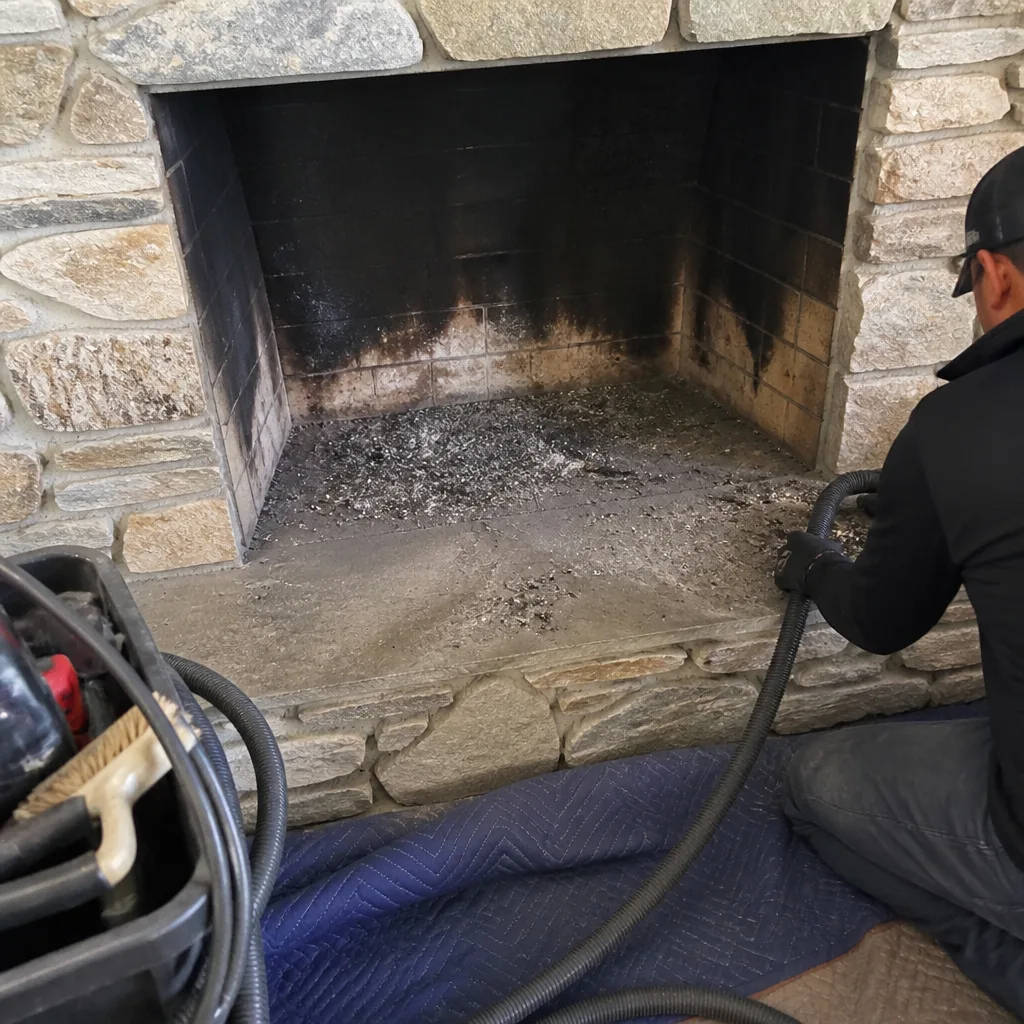
- Protect the space. Drop cloths and a sealed work area keep soot, dust, and everything the brush loosens out of your living room.
- Inspect before cleaning. We look for signs of a prior chimney fire, glazed creosote, a flue that’s the wrong size, or masonry damage. Cleaning a failing liner first is the wrong order.
- Sweep the flue. We remove soot and creosote from the flue with the right brush and rods for the liner material, from the bottom up or top down as appropriate.
- Clean the smoke chamber and shelf. The tapered chamber above the damper and the ledge below it collect soot and debris, and this is where a fast sweep skips.
- Clean the firebox and check the damper. We finish at the firebox floor and confirm the damper opens, closes, and seals.
- Verify the crown and cap. We check that the cap is intact and the crown is shedding water, and we confirm the connected appliance and venting are sound.
- Report what we found. We explain it in plain language, show you the evidence, and tell you what needs fixing now and what can wait.
In our experience, the report is where a proper sweep earns its value. You should walk away knowing the condition of each component, not just that the flue got brushed.
Cleaning vs. repair: knowing where the line is
A cleaning restores the system to workable condition by removing the buildup that comes with use. A repair restores a component that’s structurally compromised. The confusion happens when one gets sold as the other. Here’s how we draw the line across the assembly.
- Firebox: cleaning removes soot; cracked firebrick or recessed mortar is fireplace repair, handled with refractory mortar and matched brick.
- Smoke chamber: cleaning removes soot; a badly pitted or mis-shaped chamber is repair work, and ceramic resurfacing may be the right fix.
- Damper: cleaning leaves it functioning; a rusted or seized plate is repair or replacement.
- Liner: cleaning removes creosote; cracked tiles or a gap in a stainless liner require liner work. Ceramic resurfacing with HeatShield can restore a compromised liner without a full tear-out, which is a repair pathway a lot of local sweep crews don’t offer.
- Crown: cleaning inspects it; a cracked or crumbling crown is repair or replacement with a properly sloped, moisture-tolerant material.
- Cap: cleaning checks it; a rusted or damaged cap is a replacement job with a quality component.
We use HeatShield ceramic resurfacing where the liner is compromised but not beyond restoring, and full relining with professional-grade products where it isn’t. The difference in cost and disruption is real, and it’s only worth recommending when the liner condition actually supports it. We’ll tell you exactly what we found and what fixing it requires.
How often to schedule service in South Coast Metro
The baseline advice is to have the chimney swept and inspected once a year, and that baseline holds in South Coast Metro, but the reason it holds is different here. Cold-climate guidance assumes heavy fuel use. Local advice should account for the fire-doesn’t-run-hot reality, which turns light use into meaningful buildup.
Use these as your triggers:
- At least one annual sweep and inspection if you burn wood with any regularity.
- More frequent sweeps if you burn often, burn green or unseasoned wood, or notice a hard, shiny coating inside the firebox or flue.
- A Level 2 inspection after any change to the appliance, after a change of ownership, or after an event that suggests a chimney fire.
- Annual inspection on a gas log set even if you don’t burn wood at all.
The habit that pays off is scheduling by season and by use, before the first cool evening, so any needed repair can be done while the fireplace is idle. If a technician finds a problem you can see for yourself, on camera or in the firebox, that’s what should drive the conversation. Nothing else.
Common Mistakes to Avoid
- Treating the flue as the whole chimney. A sweep that never checks the crown, cap, flashing, and damper leaves the moisture-vulnerable parts unexamined, and in South Coast Metro’s humid mornings those are often the failing components.
- Skipping the smoke chamber and shelf. The tapered chamber and the ledge below it collect soot and debris, and a fast sweep skips both. That’s where glazed buildup is most likely to hide.
- Assuming low use means no build-up. Cool, occasional fires deposit more tar than hot ones, so “we barely use it” is not a reason to skip the annual visit.
- Trusting a Level 1 inspection for everything. A Level 1 only covers what’s visible without moving anything. If the appliance changed or the house changed hands, ask for a Level 2.
- Ignoring the gas insert. A gas log set has no smoke but still needs an annual cleaning and a liner and venting check, especially in a humid climate.
- Buying caps and crowns off a hardware-store shelf. Generic parts are often the first thing to leak or rust here. We install professional-grade components for a reason.
- Patching over a liner problem. Ceramic resurfacing restores a compromised liner, but it’s not a fix for a failed one. Anyone who tells you otherwise is selling, not diagnosing.
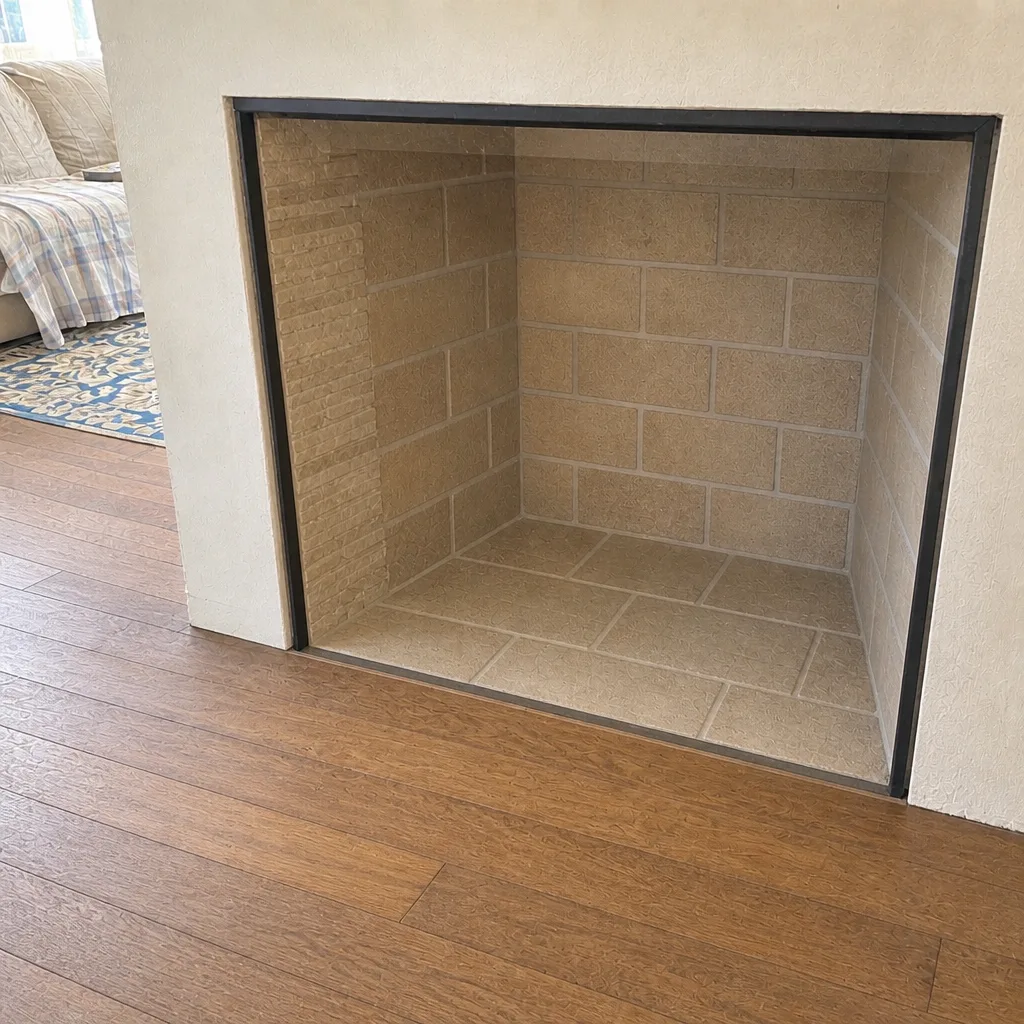
See the difference
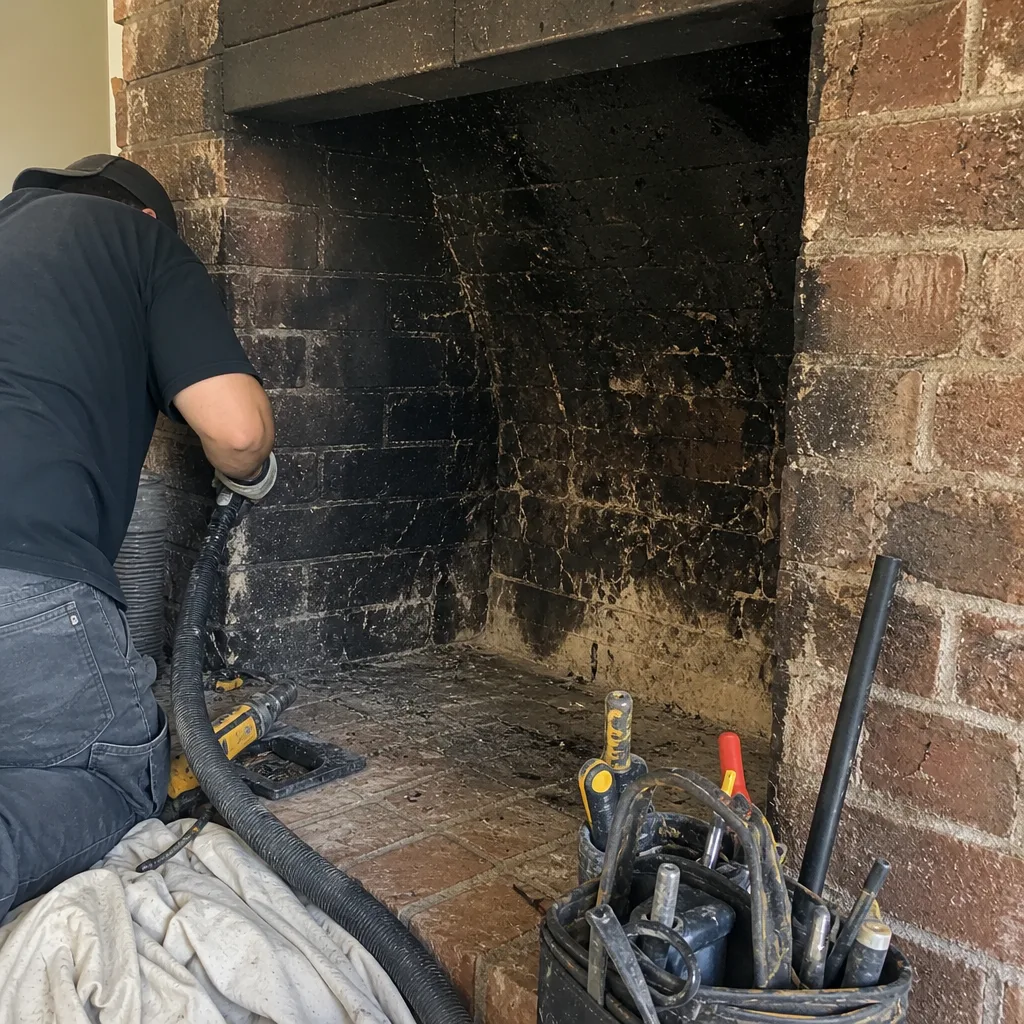 Before
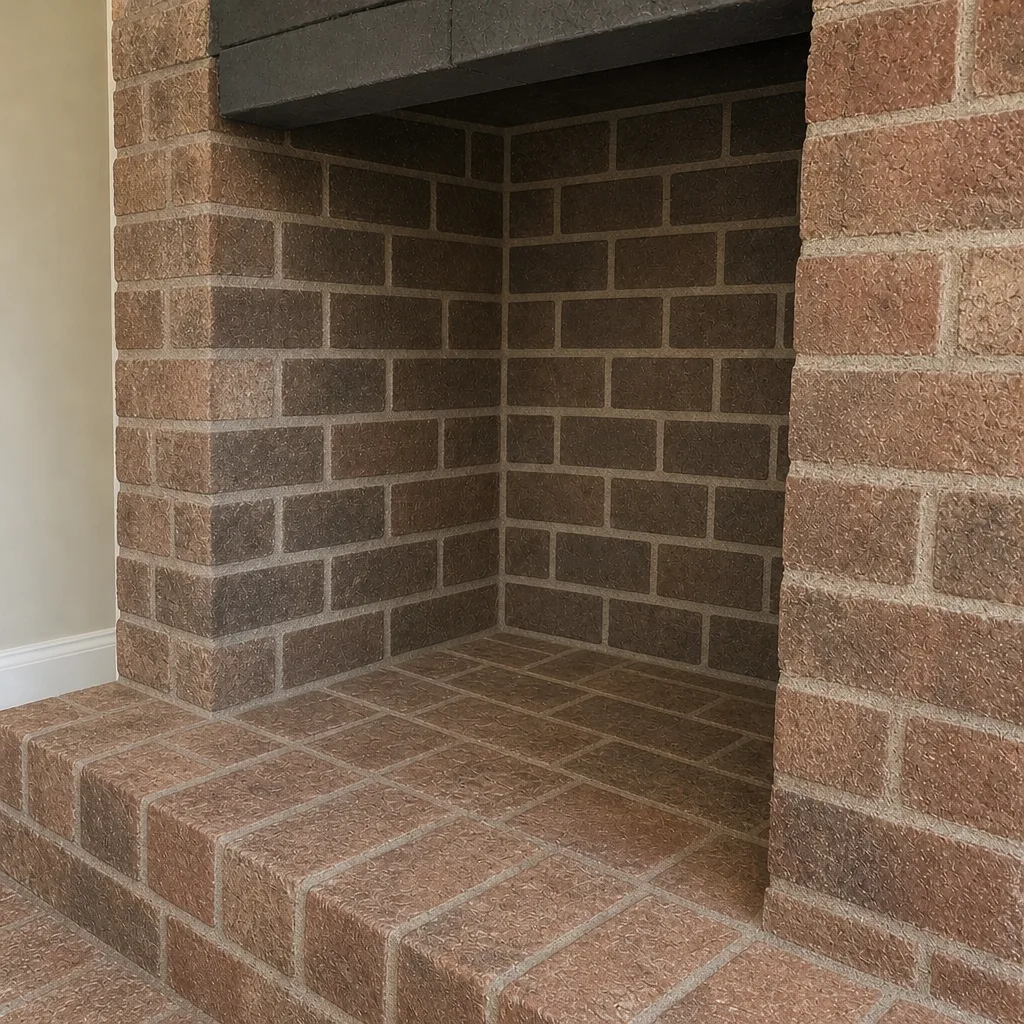 After
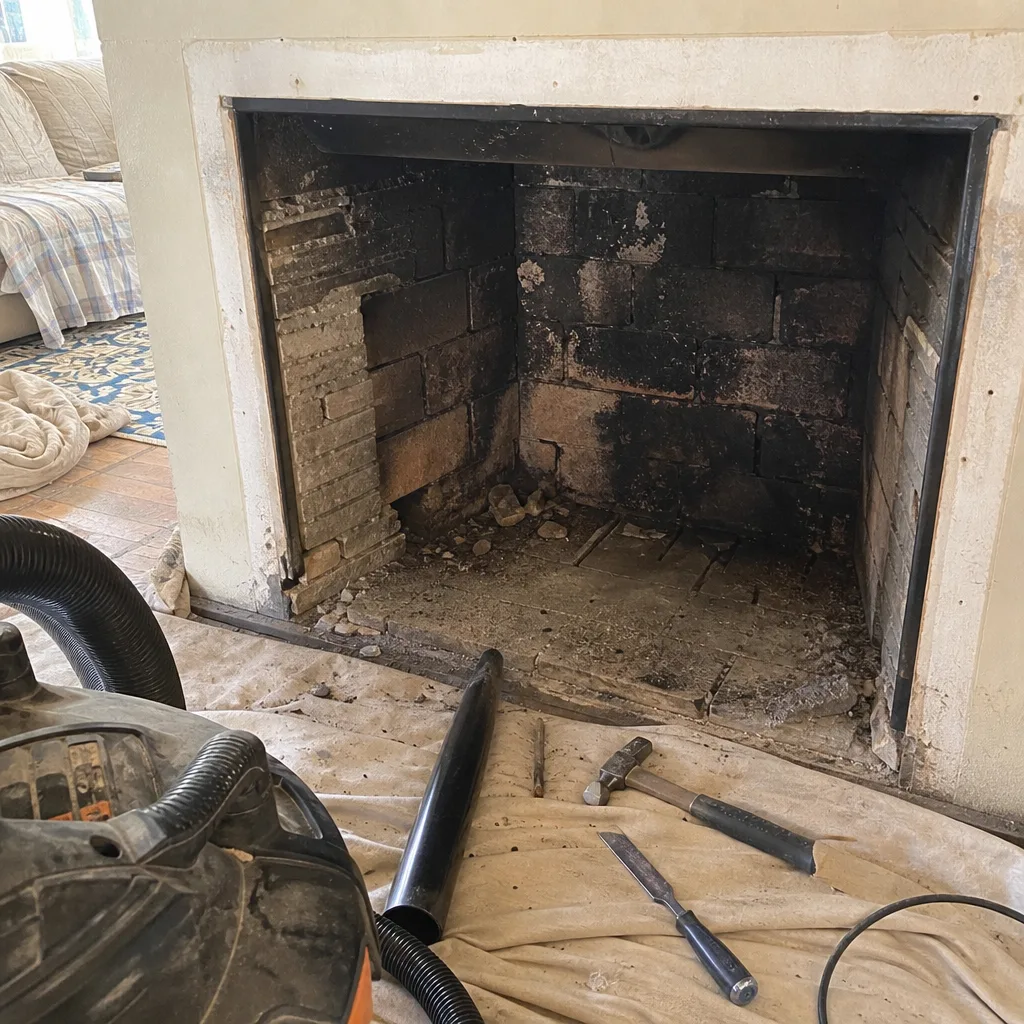 Before
 After
 Before
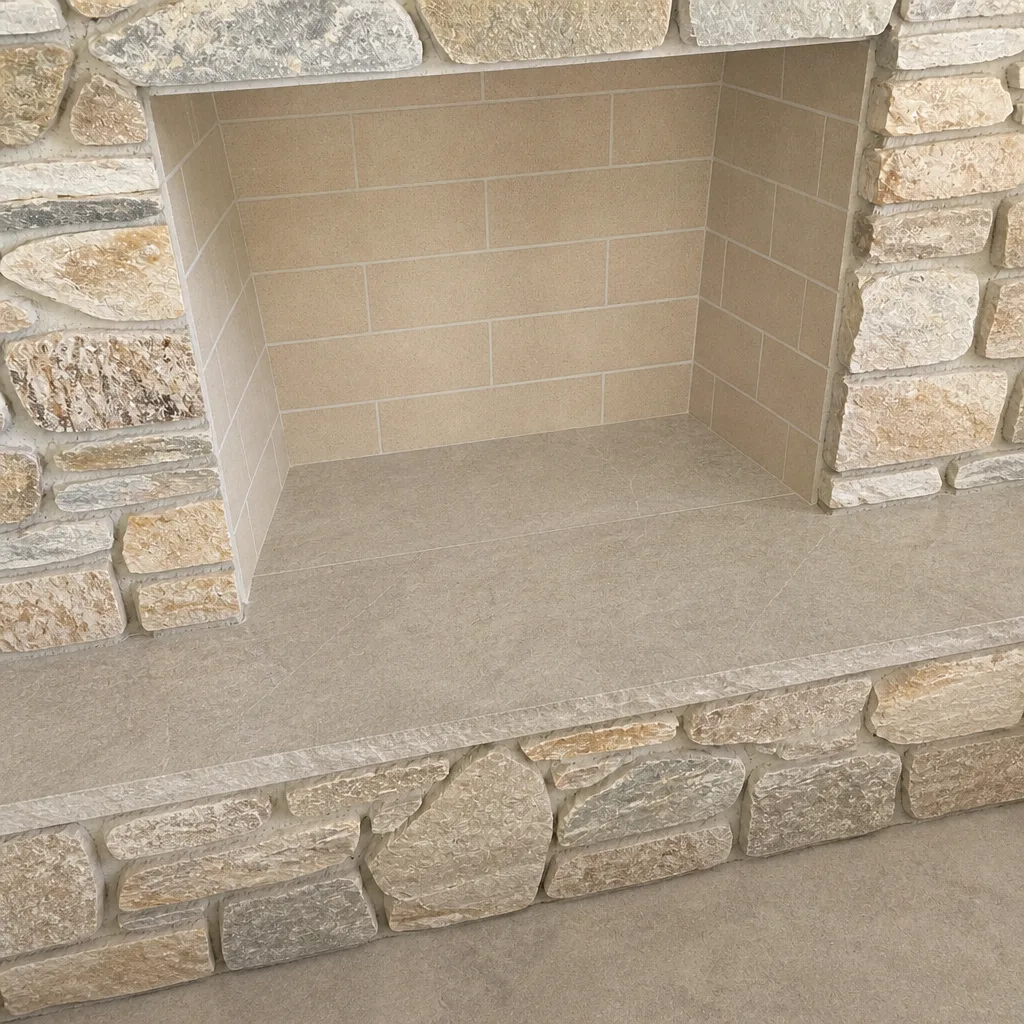 After
When to Call a Professional
Call a professional the moment you’re unsure. That includes a strong or smoky smell that won’t clear, a firebox with cracked firebrick or eroded mortar, a damper that won’t seal, a cap that’s loose or rusted, or any hint of moisture coming down the flue. It also includes every annual sweep, since the cleaning is the opportunity for the inspection. And it includes any gas log set that hasn’t been checked in a year. Our technicians have up to 11 years of experience assessing exactly these conditions. Chimney Sweep South Coast Metro offers free estimates in South Coast Metro. Call (833) 509-5393. We answer 24/7. Fast dispatch from 7am to 7pm, Sunday through Friday.
Frequently Asked Questions
A standard chimney sweep is priced by the job based on flue size, access, and the type and amount of buildup, so the written estimate sets the final price. Glazed creosote, roof-access issues, or an added inspection level change the scope, and we tell you that before we book. Call (833) 509-5393 for an exact quote, and estimates are free.
Only when the existing liner is cracked, gapped, or otherwise compromised in a way that lets heat or carbon monoxide past it. Sometimes ceramic resurfacing with HeatShield restores the liner without a full replacement, and sometimes replacement is the only sound option; the difference is visible on camera. We show you what we find before recommending anything. Call (833) 509-5393 for an assessment.
Once a year for most homes that burn wood, and once a year for gas log sets too. Because cool, infrequent fires in South Coast Metro deposit more glazed creosote than hot ones, the annual visit matters more here, not less. If anything in the firebox looks shiny and hard, call (833) 509-5393 to get it looked at regardless of the calendar.
Creosote accumulates, and glazed creosote is the fuel a chimney fire needs, so skipping service raises the risk of a fire inside the flue. Separately, a blocked or cracked system can let carbon monoxide reach the living space. Dusting off the schedule for a year when the fireplace saw light use isn’t the worst thing; repeatedly skipping the inspection is the part that matters. Call (833) 509-5393 to get back on track.
A Level 1 covers what’s visible without moving anything, and it rides along with a routine sweep. A Level 2 adds the attic, crawlspace, and accessible flue via camera, and it’s what you ask for after an appliance change, a change of ownership, or any event that could have damaged the liner. Call (833) 509-5393 if you’re unsure which one you need.
Often, yes, because we do both cleaning and repair, so there’s no handoff to a second contractor for cap or crown work, fireplace repair, or liner resurfacing. What can’t always be done in one visit is the repair itself, since some fixes need to be scheduled once we’ve confirmed what’s involved. Call (833) 509-5393 to talk through your situation.
The Bottom Line
Chimney cleaning in South Coast Metro is a system-wide job, not a flue-wide one. The parts that most often fail here, the crown, the mortar joints, the damper, and the smoke chamber, are the ones a quick brush-down never touches, and the region’s cool, occasional fires make glazed creosote form faster than the burn count suggests. Get an annual sweep paired with an inspection, know which inspection level your situation calls for, and insist on seeing the evidence before you approve any repair. That’s how the whole assembly stays sound.
Ready to have your chimney looked at by a crew that handles the sweep, the inspection, and the repair under one roof? Call (833) 509-5393 for a free estimate. We answer 24/7. Fast dispatch from 7am to 7pm, Sunday through Friday, and we’re closed Saturday.
Written by the team at Chimney Sweep South Coast Metro.