
Last updated November 23, 2026
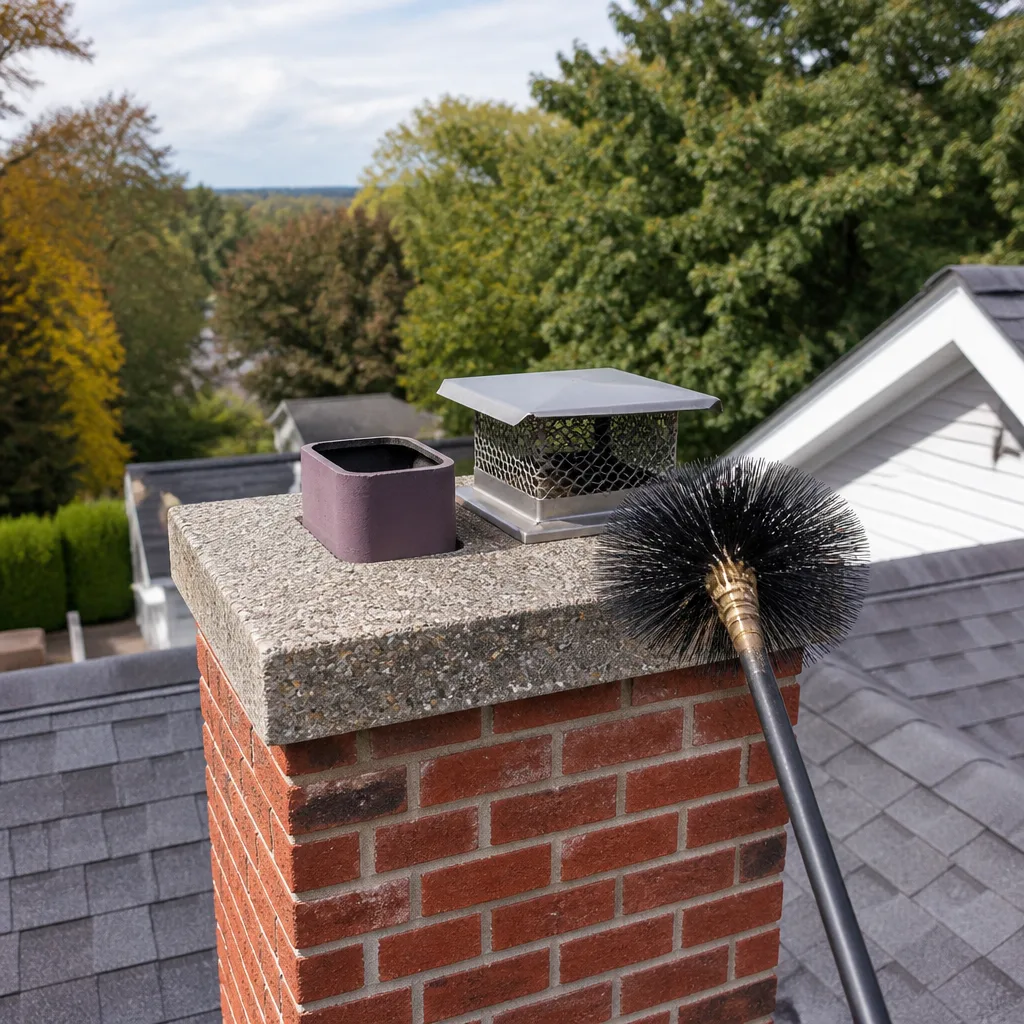 Sweep & inspection
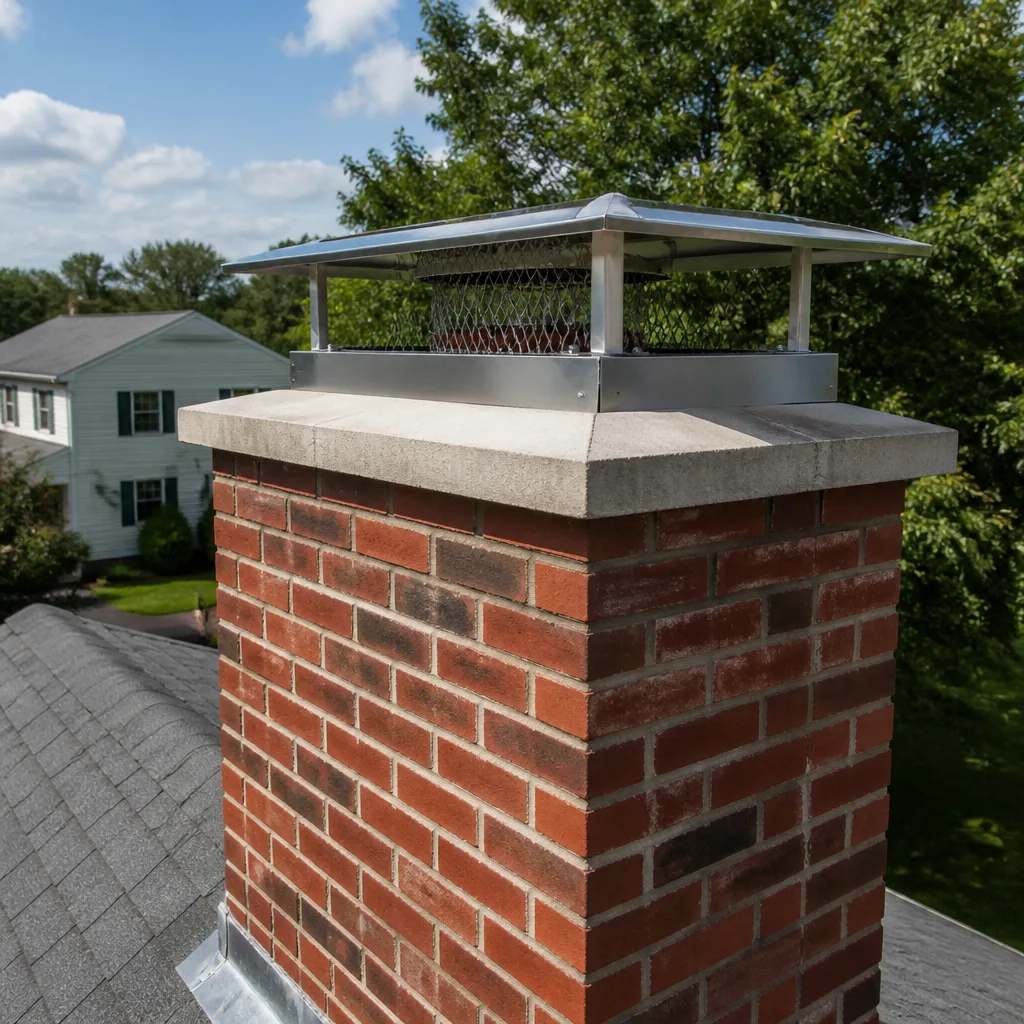 Caps & crowns
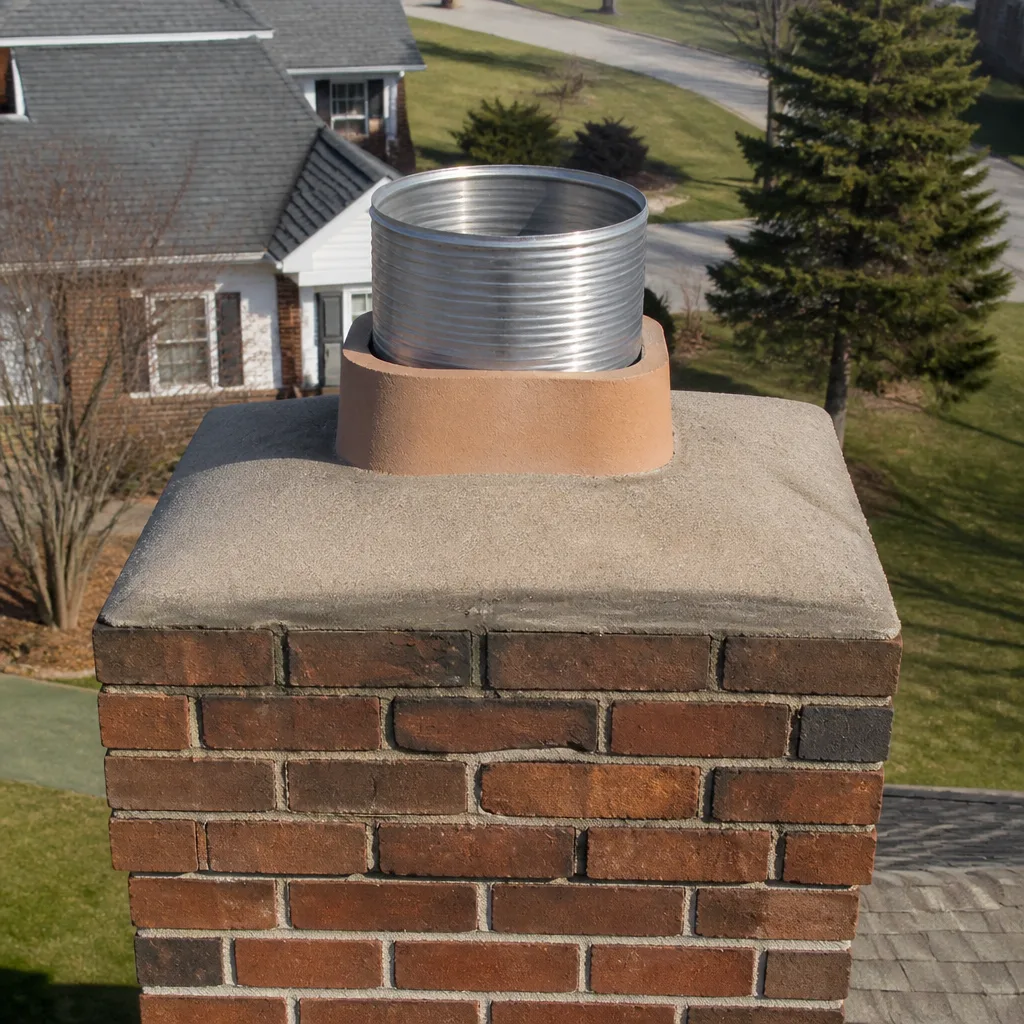 Flue relining
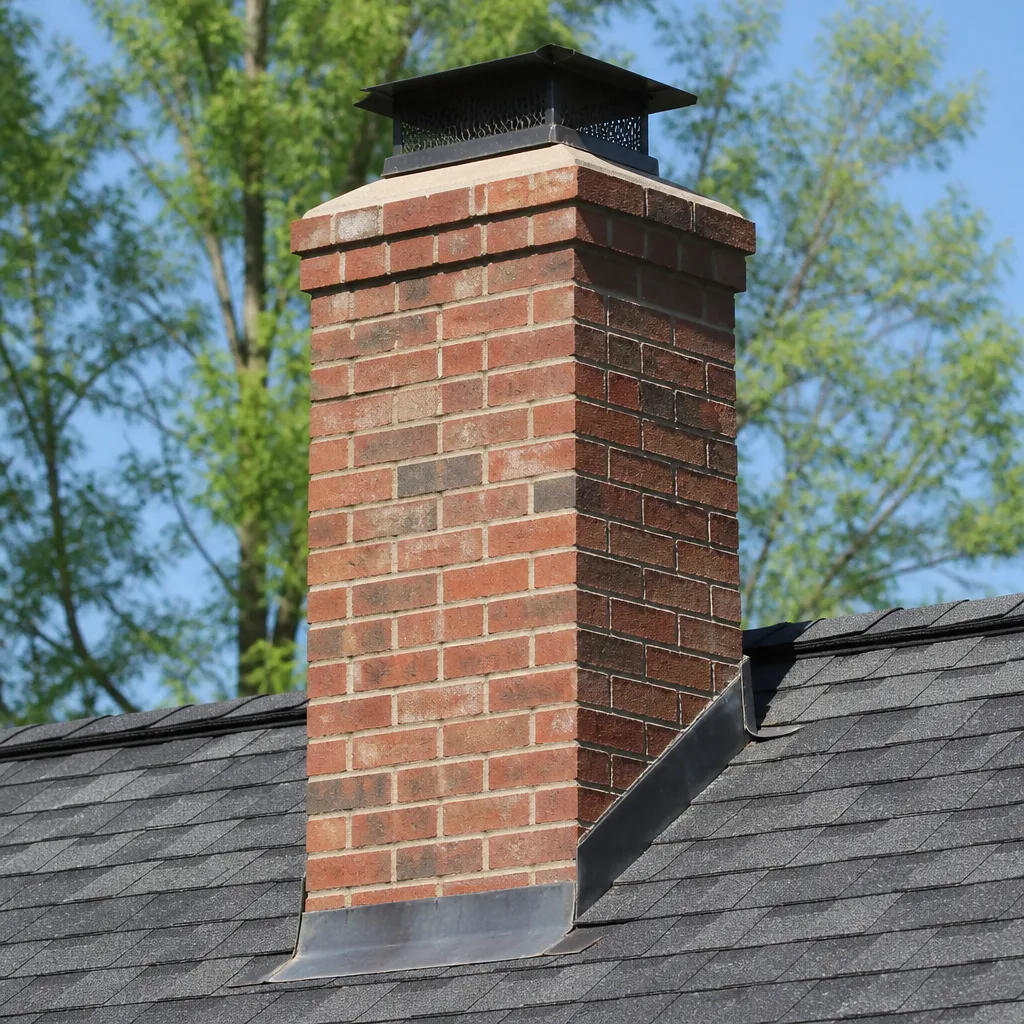 Masonry repair
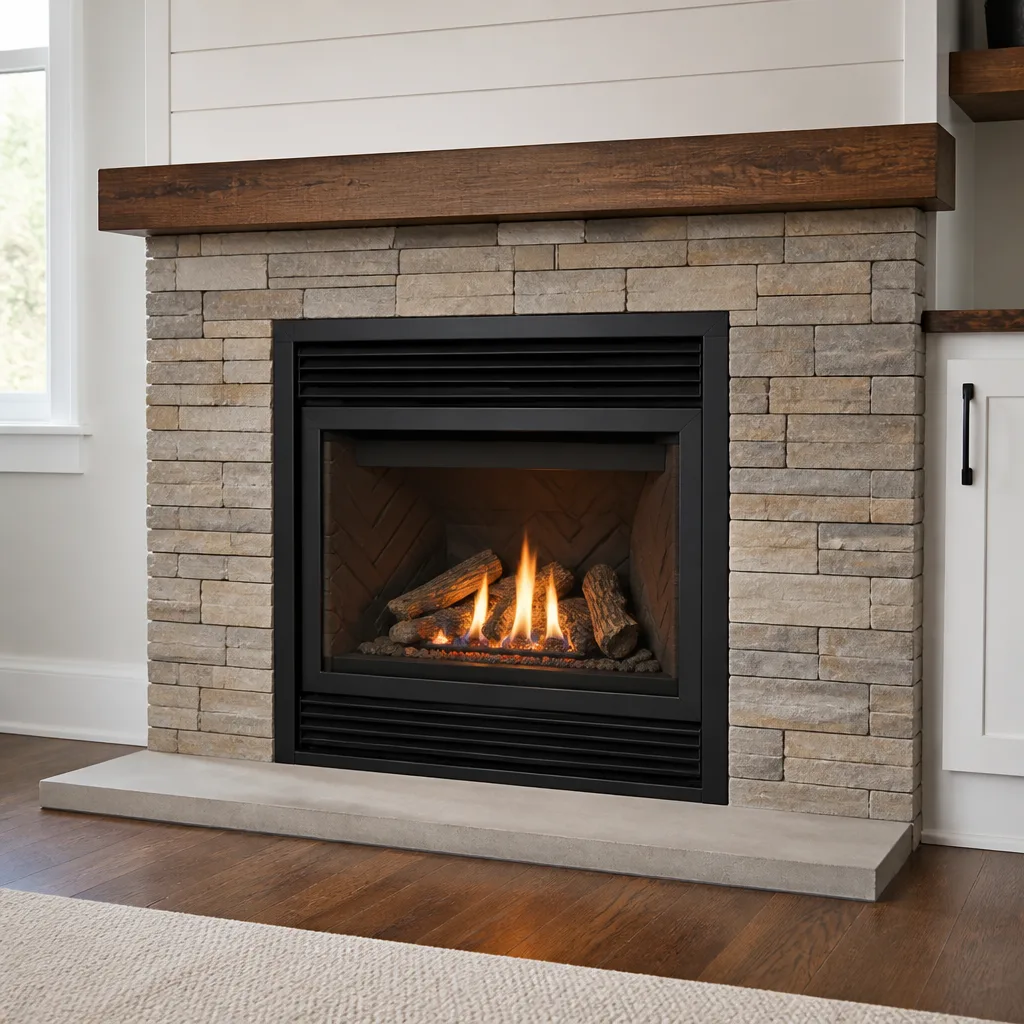 Gas fireplace service
Level 1 sweep and inspection to the NFPA 211 annual standard - flue, crown, cap, and flashing checked and photographed
Chimney sweep logs do not sweep chimneys. They loosen some creosote - which then falls where a brush and vacuum still have to collect it.
Chimney Sweep Maintenance Schedule: What to Do and When
The recommendation you hear most often – sweep and inspect your chimney once a year – was written for average use. If you burned more than two cords of wood last season, or you’re lighting fires most weeks from November through February, you’re already outside that baseline and an annual brush-down won’t cover what actually needs checking. South Coast Metro’s mild winters make this easier to overlook, not harder: a short burn season means fewer fires per year, but it also means the chimney sits unused and damp for months on end, which is its own set of problems. What follows is a maintenance calendar built around how you actually use your fireplace, not a single date on the calendar. We’ll cover usage tiers, what to check yourself between visits, the gas-fireplace schedule most homeowners skip entirely, and how appliance age changes everything.
Quick Answer
Most South Coast Metro homeowners need a professional sweep and inspection once per year if they burn occasionally, and a sweep plus a deeper Level 2 inspection every year if they burn 15 or more fires per season. Gas fireplaces need an annual pilot assembly and thermocouple check even though they produce no creosote. Between professional visits, a 10-minute self-check of the firebox, smoke shelf, and damper seating catches most early problems.
Styles & brands we work with
- Sweep & inspection
- Caps & crowns
- Flue relining
- Masonry repair
- Gas fireplace service
Table of Contents
- Build a Calendar Around Your Usage Tier, Not the Calendar
- Pre-Season Tasks for South Coast Metro’s Short Burn Season
- What the Off-Season Does to Your Chimney Between Fires
- The Gas Fireplace Schedule Most Homeowners Skip
- Your 10-Minute Self-Check Between Professional Visits
- How Appliance Age Changes the Schedule
- Inspection Levels and What Each One Covers
- Signs You Should Move Up Your Next Appointment
Build a Calendar Around Your Usage Tier, Not the Calendar
A single annual sweep assumes average use. In our experience, “average” covers a wide range, and the difference between a homeowner who lights eight fires a season and one who lights sixty is the difference between a light cleaning and a real inspection. Here’s how we tier it for South Coast Metro households.
- Occasional (under 15 fires per season): One professional sweep and Level 1 inspection per year. If you burn only a handful of times, you can often stretch the sweep to every other year provided the inspection shows no glaze or heavy soot – but the inspection itself should still happen annually.
- Moderate (15 to 40 fires per season): One sweep per year, scheduled at the end of the burn season rather than the start. Creosote sits in the flue all summer either way, but cleaning after your last fire means the chimney spends the off-season clean instead of coated.
- Heavy (40+ fires per season, or more than two cords of wood): Sweep at mid-season and again at the end, with a Level 2 inspection annually. Heavy use builds creosote fast enough that a single annual sweep can miss a stage-two or stage-three deposit forming in the upper flue.
The tier matters because creosote accumulates in layers. Stage one is light soot you can brush away. Stage two is a hardened, flaky deposit that takes more work. Stage three is glazed and requires chemical treatment or, in some cases, liner replacement. A heavy user who sweeps once a year is effectively gambling that they never cross from stage one into stage two before the next visit, and that’s not a bet worth taking. For homeowners who want a professional assessment of their tier, our chimney sweep service includes a camera inspection and a written report you can act on.
Pre-Season Tasks for South Coast Metro’s Short Burn Season
South Coast Metro’s burn season is short. Cool evenings start around November and taper off by February, and many households light fires for a few months at most. That short window means every pre-season task is worth doing on time, because you don’t have many fires to waste on a chimney that isn’t ready. Here’s the sequence we recommend for the weeks before your first fire.
- Schedule the sweep before you need it. Book your cleaning and inspection in early autumn, before the first cool week fills the schedule. A chimney that’s been swept and inspected before the season starts is one you can light without second-guessing.
- Check the cap and crown. A cracked crown or a cap that’s shifted lets rain and debris into the flue. Our chimney cap & crown work uses Gelco and Famco components, so the cap you get is a manufacturer part built for the job, not a hardware-store substitute.
- Look at the firebox and damper. Cracks in the firebox brick joints, or a damper that doesn’t seat flat, are pre-season findings, not mid-season surprises. We cover firebox and damper repair through our fireplace repair service.
- Confirm the flue is clear. Birds, squirrels, and leaf debris find their way into uncapped flues over the off-season. A quick look up the flue (or a camera inspection) confirms nothing is blocking it before you light.
- Stock your wood and let it season. Burn seasoned wood with a moisture content low enough that it burns hot and clean. Wet wood produces more smoke, more creosote, and less heat – a bad trade in a short season.
If your sweep and inspection happen in the same visit, you get the full picture at once. That’s the advantage of using one company for the Chimney Sweep South Coast Metro sweep and the repair work it turns up – no report handed off to a second contractor who has to start from scratch.
What the Off-Season Does to Your Chimney Between Fires
South Coast Metro’s climate is mild and humid much of the year, and that matters for a chimney that sits idle for eight or nine months. A masonry chimney absorbs moisture from the air and from any rain that gets past a failing crown or cap. That moisture migrates through the brick and mortar, and when it does, it works against the very materials that hold the chimney together.
Mortar joints are the usual casualty. A joint that looks fine when the chimney is warm and dry can crumble at the surface after a wet off-season, and once the mortar starts to fail, the brick above it loses support. Flue tile is the second concern: hairline cracks in clay tile liners open wider with repeated wetting and drying, and a cracked liner is a path for heat and carbon monoxide to reach the framing of the house. Neither problem announces itself. You find out during an inspection, or you find out when a fire behaves strangely.
This is where liner condition becomes the deciding factor between a cleaning and a repair. HeatShield ceramic resurfacing restores a compromised clay liner by coating the interior and sealing the cracks, and it’s a specialist service most local sweep crews don’t offer. When a liner is too far gone for resurfacing, a stainless liner system from Olympia Chimney or DuraFlex is the standard path. Either way, the off-season is when the assessment should happen, not the week you want to light a fire.
The practical takeaway: don’t assume a chimney that worked fine last winter survived the summer unchanged. A humid off-season is nine months of slow weathering. The pre-season inspection exists to catch it before it becomes a repair.
The Gas Fireplace Schedule Most Homeowners Skip
Gas fireplaces produce no creosote, so a lot of homeowners assume they need no maintenance at all. That’s the most common mistake we see in South Coast Metro gas fireplaces. A gas fireplace has a pilot assembly, a thermocouple or thermopile, a burner, and venting – and each of those components has its own wear cycle. The annual service for a gas appliance looks nothing like a wood sweep, but it’s just as necessary.
- Pilot assembly cleaning and inspection: The pilot orifice clogs with dust and oxidation over time. A dirty pilot produces a weak flame that won’t reliably light the main burner.
- Thermocouple and thermopile check: These are the safety sensors that tell the gas valve the pilot is lit. A failing thermocouple shuts the burner off, and a thermopile that’s drifted out of spec does the same. Both are inexpensive to test and replace, and both are checked during an annual service.
- Burner and log inspection: Burner ports clog, and ceramic logs can crack or shift out of position. A log that’s out of place can direct flame where it shouldn’t go.
- Venting check: Direct-vent and B-vent systems need their terminations and joints inspected for blockage and corrosion. A blocked vent on a gas appliance is a carbon monoxide concern, and it’s one of the reasons annual service matters even on a fireplace that “still works.”
If your gas fireplace hasn’t been serviced in more than a year, the pilot assembly and thermocouple check alone justify a visit. Our technicians have up to 11 years of experience with both gas and wood appliances, and we’ll tell you exactly what we found rather than selling a service you don’t need.
Your 10-Minute Self-Check Between Professional Visits
You don’t need to climb a roof or reach into a flue to catch most early problems. A short self-check between professional visits covers the three areas where trouble usually starts, and it takes under 10 minutes. Do it before your first fire of the season and once mid-season if you burn heavily.
- Firebox interior: Look at the brick joints and the fireback. Hairline cracks in the mortar joints are normal wear; gaps wider than a coin, or cracks running through the brick itself, are not. Note anything that looks like it’s growing.
- Smoke shelf: Reach up and back above the damper. The smoke shelf is a flat ledge at the base of the flue, and it collects soot and debris that can fall back into the firebox. If you can feel a heavy buildup, it’s time for a sweep.
- Damper seating: Open and close the damper and watch how it seats. A damper that doesn’t close flat lets heated air escape up the flue year-round and lets cold air down in the off-season. A damper that sticks or won’t stay open is a repair, not a cleaning.
- Cap and crown, from the ground: Use binoculars to look at the chimney top. A cap that’s tilted, missing mesh, or visibly damaged needs attention. So does a crown with visible cracks.
- Interior smells: A strong smoky or creosote smell in the room when the fireplace is off usually means the damper isn’t sealing or the flue has heavy deposits. Both warrant a professional look.
What this check cannot do is tell you what’s happening inside the flue above the smoke shelf. That’s what the camera inspection is for, and it’s why the self-check supplements professional service rather than replacing it.
How Appliance Age Changes the Schedule
A fireplace is not a fixed system. A 20-year-old factory-built unit has different inspection needs than a new insert with a stainless liner system, and the maintenance schedule should reflect that. Here’s how appliance age shifts what we recommend for South Coast Metro homes.
- Factory-built fireplaces over 20 years old: These need the liner inspected at every annual visit, not every other year. The original liners in older factory-built units were designed with a service life that many have now exceeded, and a cracked liner in a factory-built unit is a structural problem, not just a draft problem. Stainless liner systems from DuraFlex and Olympia Chimney are the usual replacement path when the original has failed.
- Masonry fireplaces with original clay tile liners: Annual inspection, with particular attention to spalling or cracking in the tile. HeatShield resurfacing is often the right answer for a clay liner with minor cracks, because it restores the liner without a full tear-out.
- Newer inserts with a stainless liner system: A stainless liner holds up better than clay tile, but it still needs an annual inspection. The liner is only as good as its connections at the top plate and the appliance collar, and those are the fittings that work loose over time.
- Gas inserts and gas log sets: Annual pilot assembly and thermocouple service regardless of age. Age matters less for gas than for wood, but the safety sensors wear out on their own schedule.
If you’re not sure how old your appliance is or what liner it has, an inspection answers both questions. We pair the inspection with the repair capability to act on what we find, so you’re not handed a report with no path forward.
Inspection Levels and What Each One Covers
The chimney industry uses three inspection levels, and which one you need depends on your usage tier and what’s happened to the chimney. Knowing the difference helps you ask the right questions when you book.
- Level 1 inspection: A visual check of the readily accessible portions of the chimney – firebox, damper, smoke shelf, and the visible flue. This is the standard annual inspection for an occasional user with no known problems.
- Level 2 inspection: Everything in a Level 1 inspection plus a video camera scan of the entire flue, and a look at accessible portions of the chimney exterior. This is the inspection for a moderate or heavy user, for a change in appliance, or after any event that may have damaged the chimney. It’s also the inspection you want before buying a home with a fireplace.
- Level 3 inspection: A Level 2 inspection plus access to concealed areas of the chimney when a serious problem is suspected. This is rare and typically follows a Level 2 finding that can’t be confirmed without opening up part of the structure.
Most South Coast Metro homeowners land at Level 1 or Level 2. The camera inspection and photo report are included with our service, so you see what we see, and nothing is recommended that you can’t verify for yourself. If a liner repair can safely wait, we’ll say so. If it can’t, we’ll show you why.
Signs You Should Move Up Your Next Appointment
A maintenance calendar is a baseline, not a rigid rule. Some findings mean the next appointment should move up. If any of these apply, book before your next scheduled visit.
- A strong creosote smell in the house when the fireplace is off. That’s usually a sign of heavy flue deposits or a damper that isn’t sealing.
- Smoke rolling into the room when you light a fire, especially if the damper is fully open. That’s a draft problem, and the cause needs to be found before the next fire.
- Visible damage to the cap or crown from the ground. A broken cap lets water and animals into the flue, and a cracked crown lets water into the masonry.
- A firebox crack that’s grown since your last check. Growing cracks mean the firebox is failing, and a fire in a failing firebox is a real hazard.
- Any change in how the fireplace behaves – harder to light, less draft, more smoke, a different smell. Appliances don’t usually fail suddenly; they signal first.
Call (833) 509-5393 if any of these show up. We answer 24/7. Fast dispatch from 7am to 7pm, Sunday through Friday.
Common Mistakes to Avoid
- Treating the annual sweep as the whole plan. The annual sweep is the minimum recommendation for average use. If you burn heavily, the schedule needs to be tighter, and the inspection needs to be deeper.
- Skipping gas fireplace service because there’s no creosote. A gas fireplace has a pilot assembly, a thermocouple, and venting that all wear and need an annual check. No creosote doesn’t mean no maintenance.
- Sweeping only at the start of the season. Cleaning at the end of the burn season leaves the chimney clean through the humid off-season instead of coated in soot for months.
- Ignoring the cap and crown. A cap or crown failure is the most common path for water to get into a South Coast Metro chimney. Water damage to mortar and liner is slow and expensive, and it starts at the top.
- Hiring a sweep who can’t do the repair. An inspection that finds a cracked liner is only useful if the same company can fix it. Otherwise you’re coordinating two contractors and re-explaining the problem.
- Burning wet or unseasoned wood. Wet wood produces more creosote and less heat. In a short burn season, that’s a bad trade twice over.
- Assuming a fireplace that worked last winter is fine. Nine months of humid off-season weather can change a chimney. The pre-season inspection is the point.
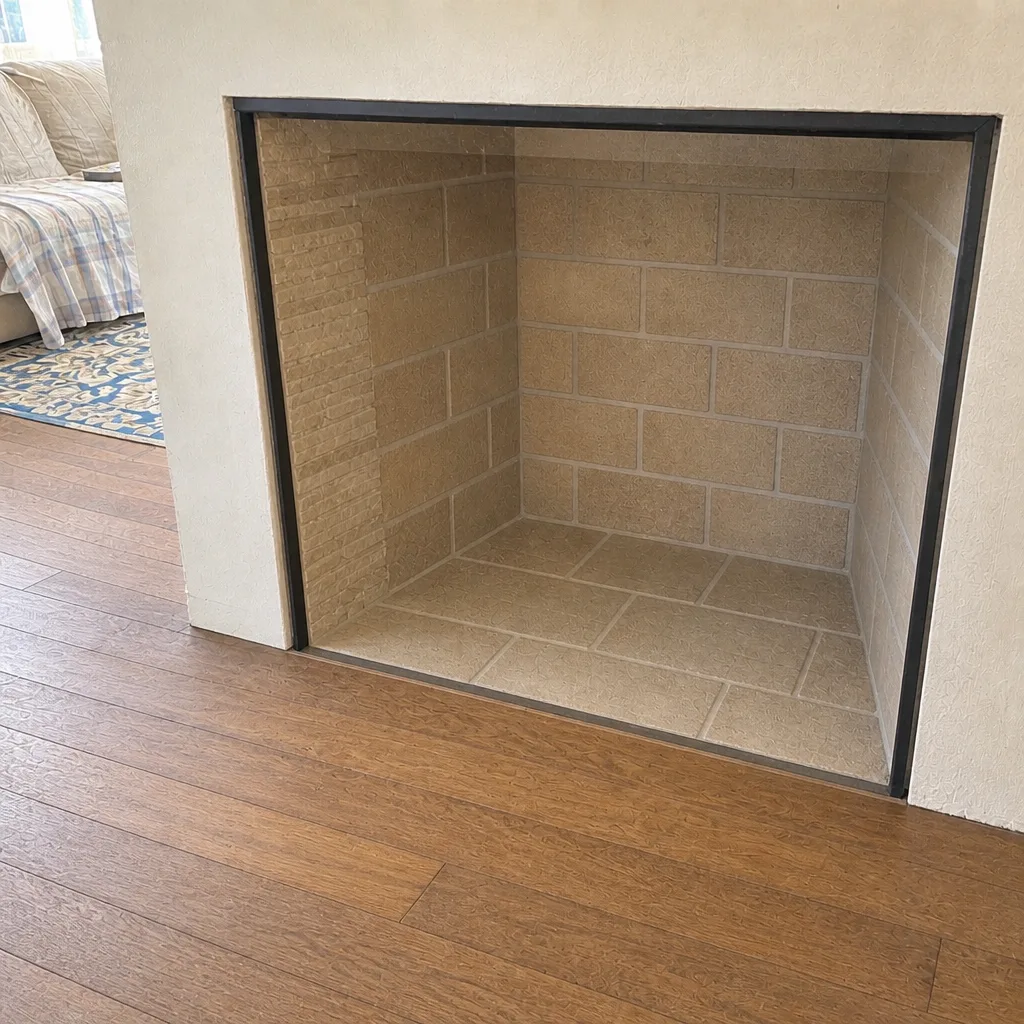
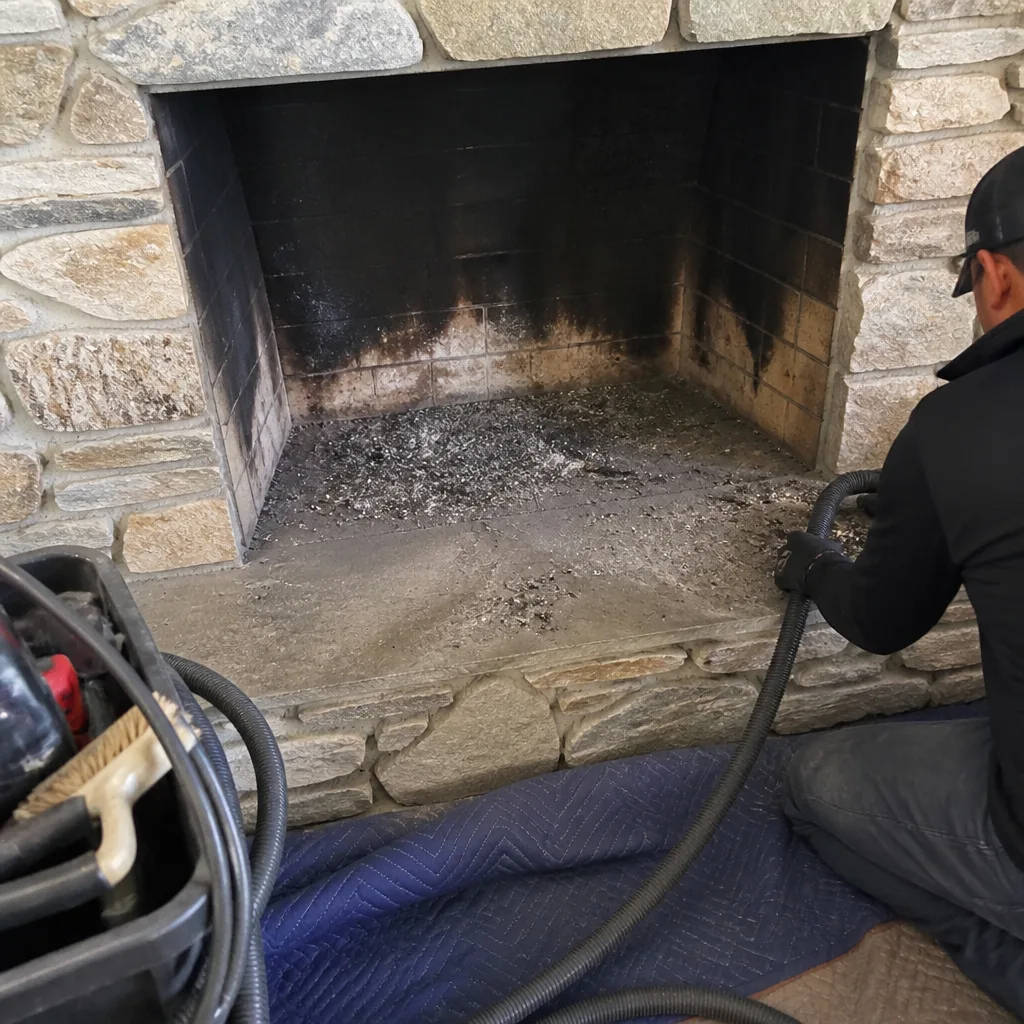
See the difference
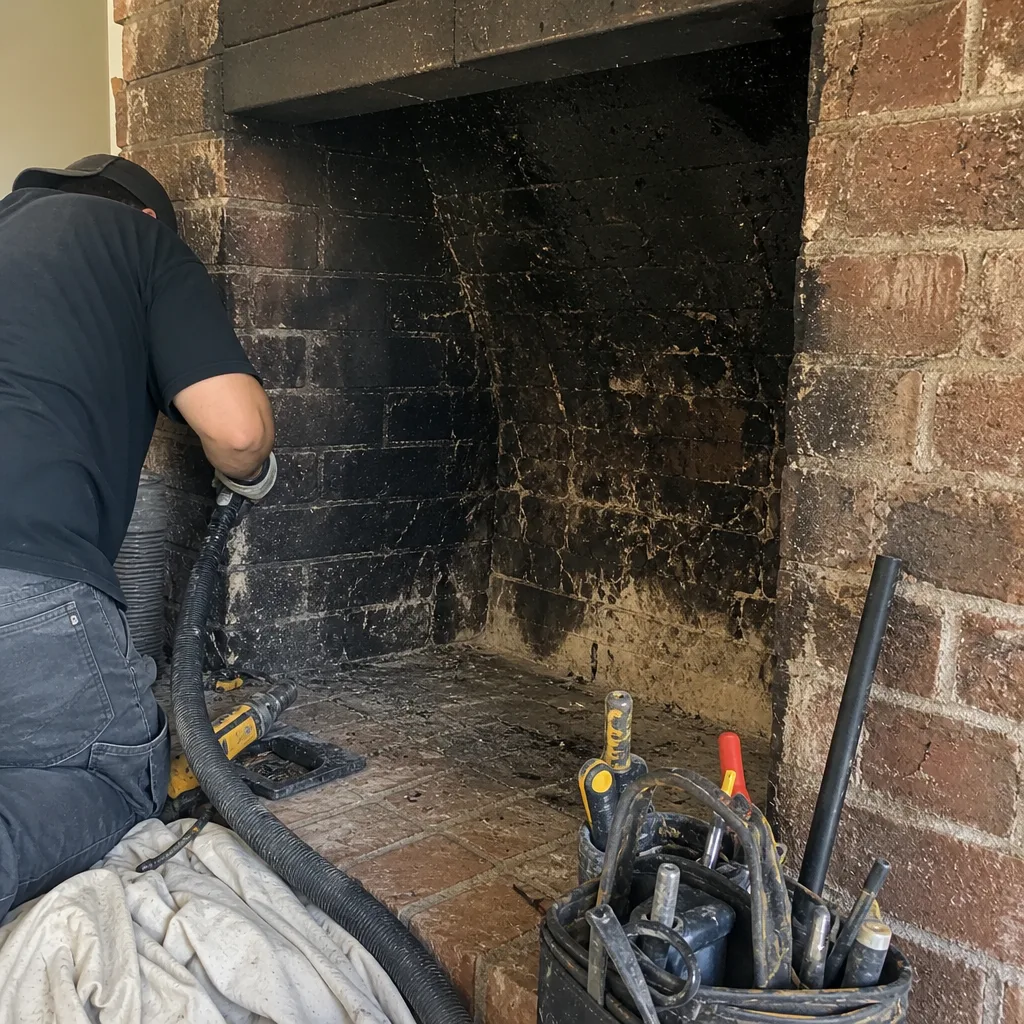 Before
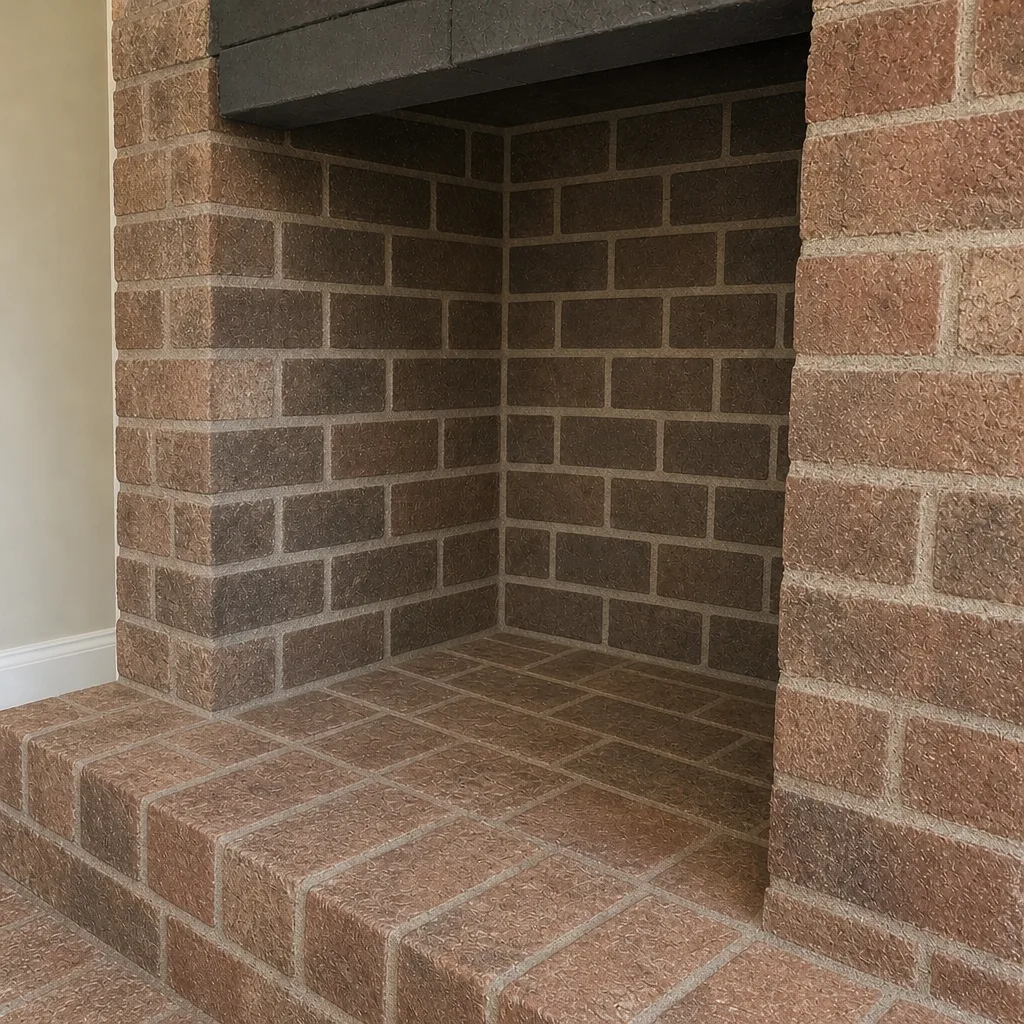 After
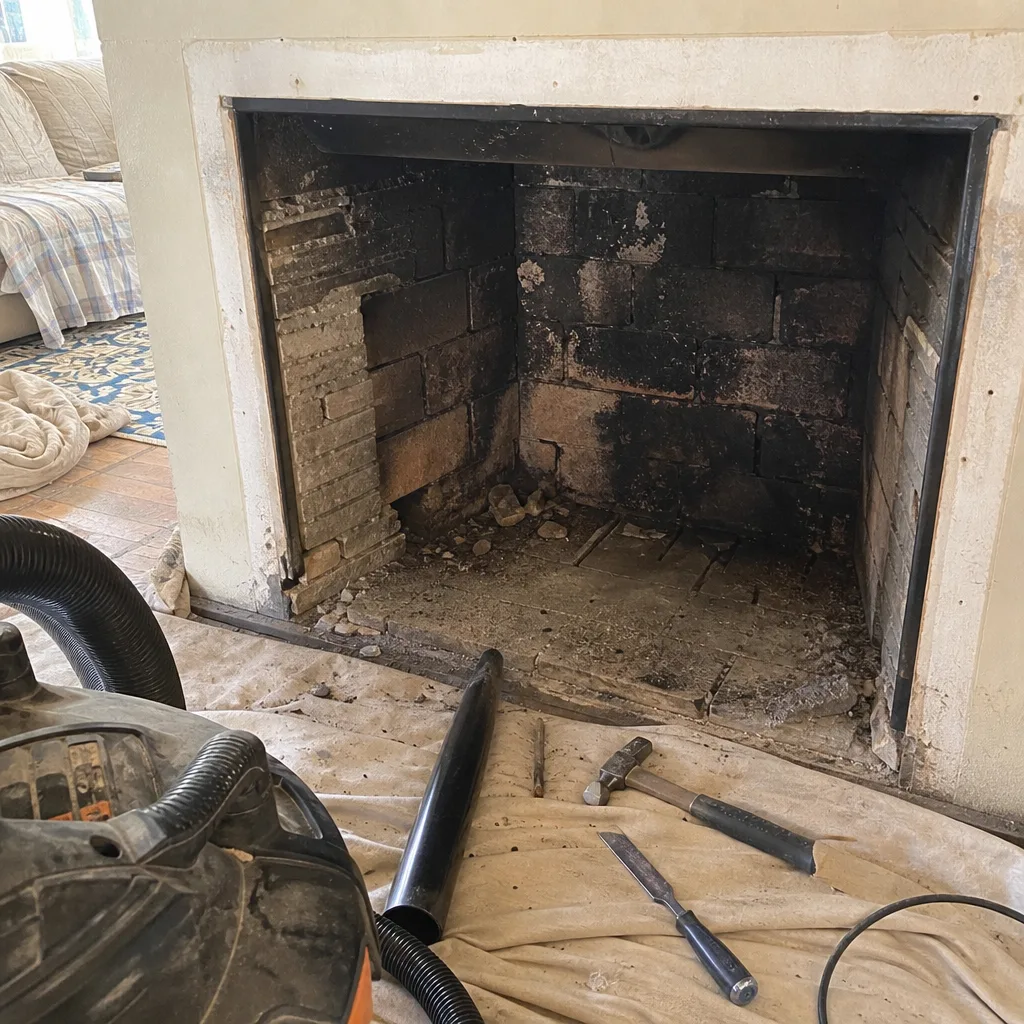 Before
 After
 Before
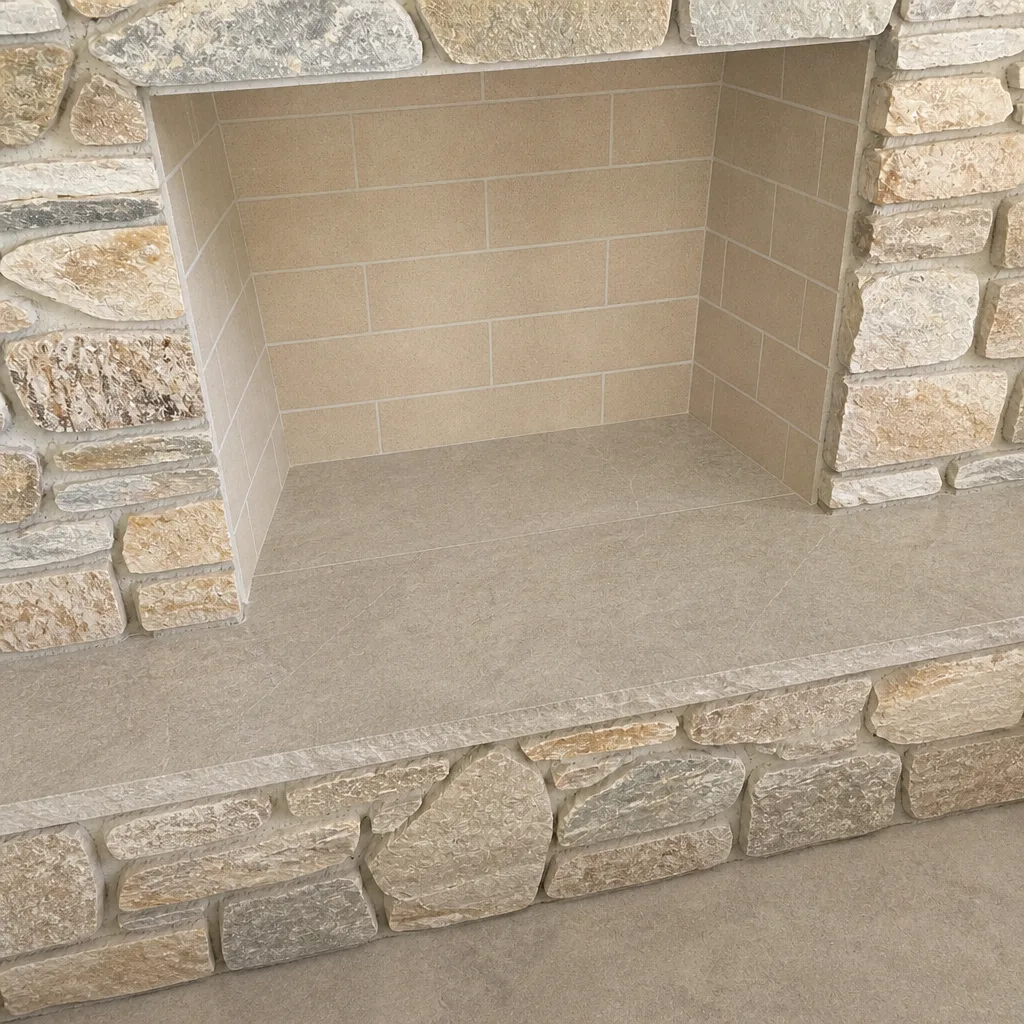 After
When to Call a Professional
Call a professional before your first fire of the season if you haven’t had a sweep and inspection in the past year, and immediately if you notice smoke rolling into the room, a strong creosote smell when the fireplace is off, visible cap or crown damage, or a firebox crack that’s growing. If you’re buying a South Coast Metro home with a fireplace, get a Level 2 inspection before you close. And if your gas fireplace hasn’t been serviced in over a year, the pilot assembly and thermocouple check alone is worth the visit. Chimney Sweep South Coast Metro offers free estimates in South Coast Metro – call (833) 509-5393. We answer 24/7, with fast dispatch from 7am to 7pm, Sunday through Friday.
Frequently Asked Questions
Once per year for occasional use, and more often for heavier use. If you burn 15 to 40 fires per season, sweep annually at the end of the burn season. If you burn 40 or more, or more than two cords of wood, sweep at mid-season and again at the end, with a Level 2 inspection each year. Call (833) 509-5393 for an exact quote – estimates are free.
You need a liner repair or replacement only when the inspection shows a specific failure, and you should be able to see it on the camera scan. HeatShield resurfacing restores many clay liners with minor cracks without a full replacement, and it’s the first option we assess. If a liner can safely wait, we’ll tell you. Call (833) 509-5393 to book an inspection – estimates are free.
Creosote builds up in the flue, and at stage two or three it becomes a fire hazard. A blocked or heavily coated flue also drafts poorly, which pushes smoke into the room and, on a gas appliance, can affect venting. Nothing dramatic happens on day one – the risk accumulates quietly over seasons. Call (833) 509-5393 to get on a schedule – estimates are free.
Yes, even though it produces no creosote. The pilot assembly clogs, the thermocouple and thermopile wear out, and the venting needs inspection. A gas fireplace that hasn’t been serviced in over a year should get a pilot assembly and thermocouple check before the next season. Call (833) 509-5393 to book – estimates are free.
You can check the firebox, smoke shelf, and damper seating safely from inside the firebox in under 10 minutes. What you can’t check yourself is the flue above the smoke shelf, which is where creosote and liner cracks are found. The self-check supplements professional service rather than replacing it. Call (833) 509-5393 for a camera inspection – estimates are free.
Occasional users with no known problems usually need a Level 1 inspection. Moderate and heavy users, anyone changing appliances, and anyone buying a home with a fireplace need a Level 2, which includes a full camera scan of the flue. We’ll tell you which one fits your situation when you call. Call (833) 509-5393 – estimates are free.
The Bottom Line
The annual sweep is a floor, not a ceiling. South Coast Metro homeowners who burn regularly need a schedule built around their usage tier: occasional users can stay at one sweep and a Level 1 inspection per year, moderate users should sweep at season’s end, and heavy users need a mid-season sweep plus a Level 2 inspection. Gas fireplaces need an annual pilot and thermocouple check regardless of creosote. Between visits, a 10-minute self-check of the firebox, smoke shelf, and damper catches most early problems. And appliance age matters – a 20-year-old factory-built unit needs liner attention a newer insert doesn’t. We work with professional-trade brands including HeatShield, Gelco, Olympia Chimney, and Famco, so the repair we recommend is one we can complete. Call (833) 509-5393 for a free estimate. We answer 24/7, with fast dispatch from 7am to 7pm, Sunday through Friday.
Written by the team at Chimney Sweep South Coast Metro.