
Last updated November 23, 2026
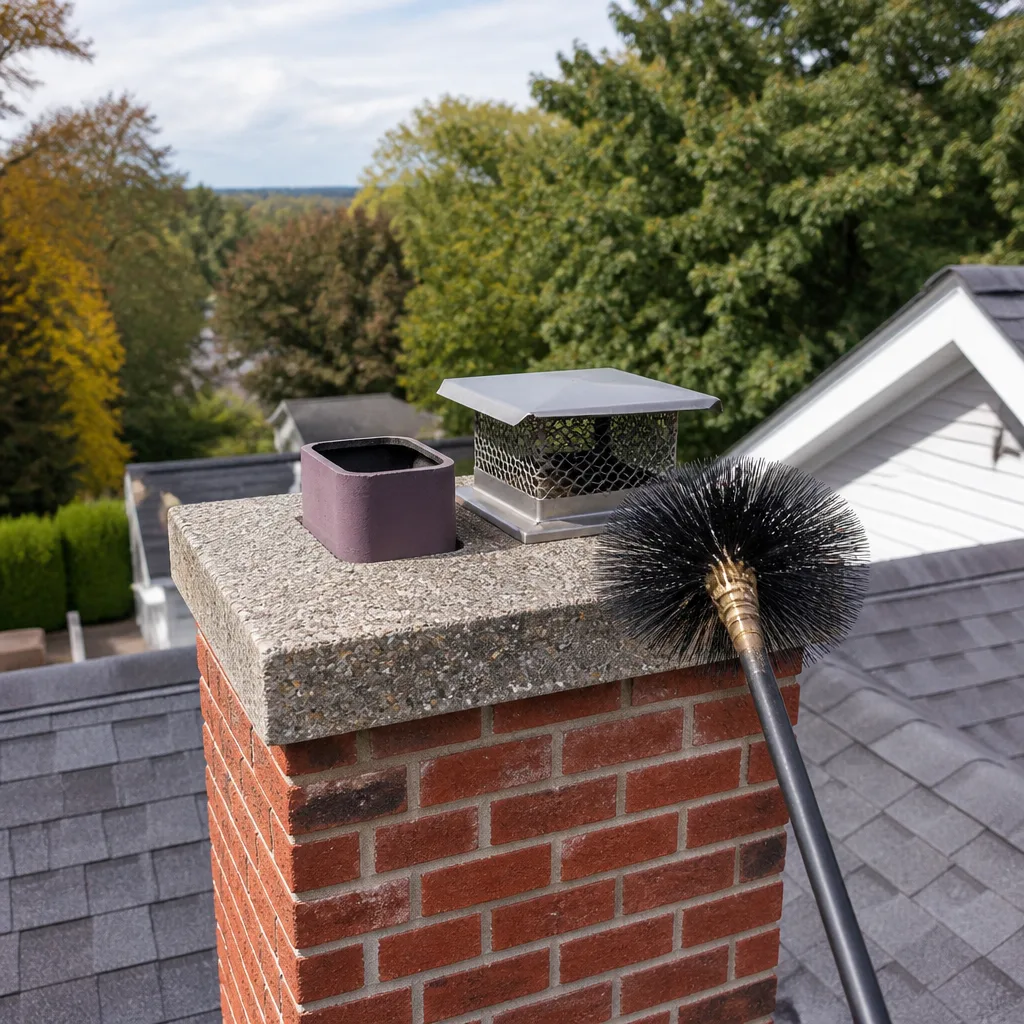 Sweep & inspection
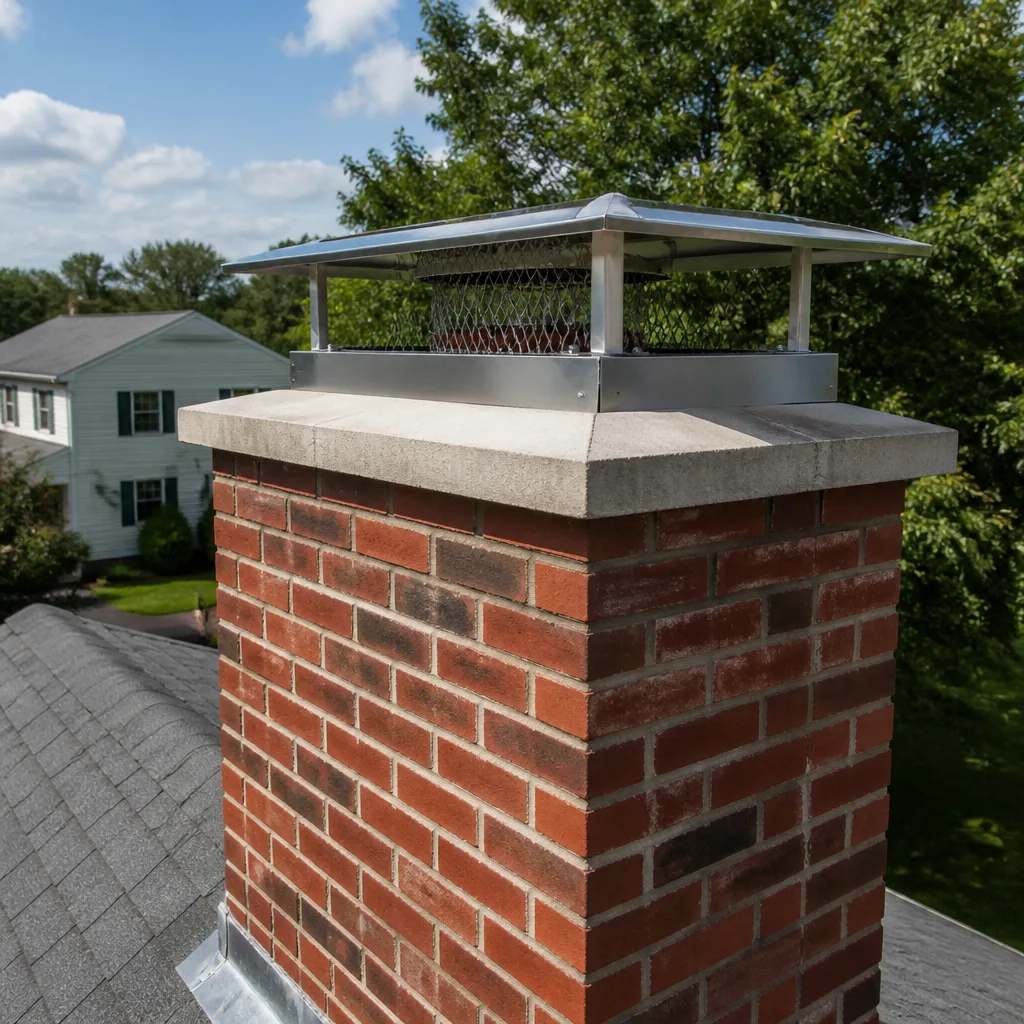 Caps & crowns
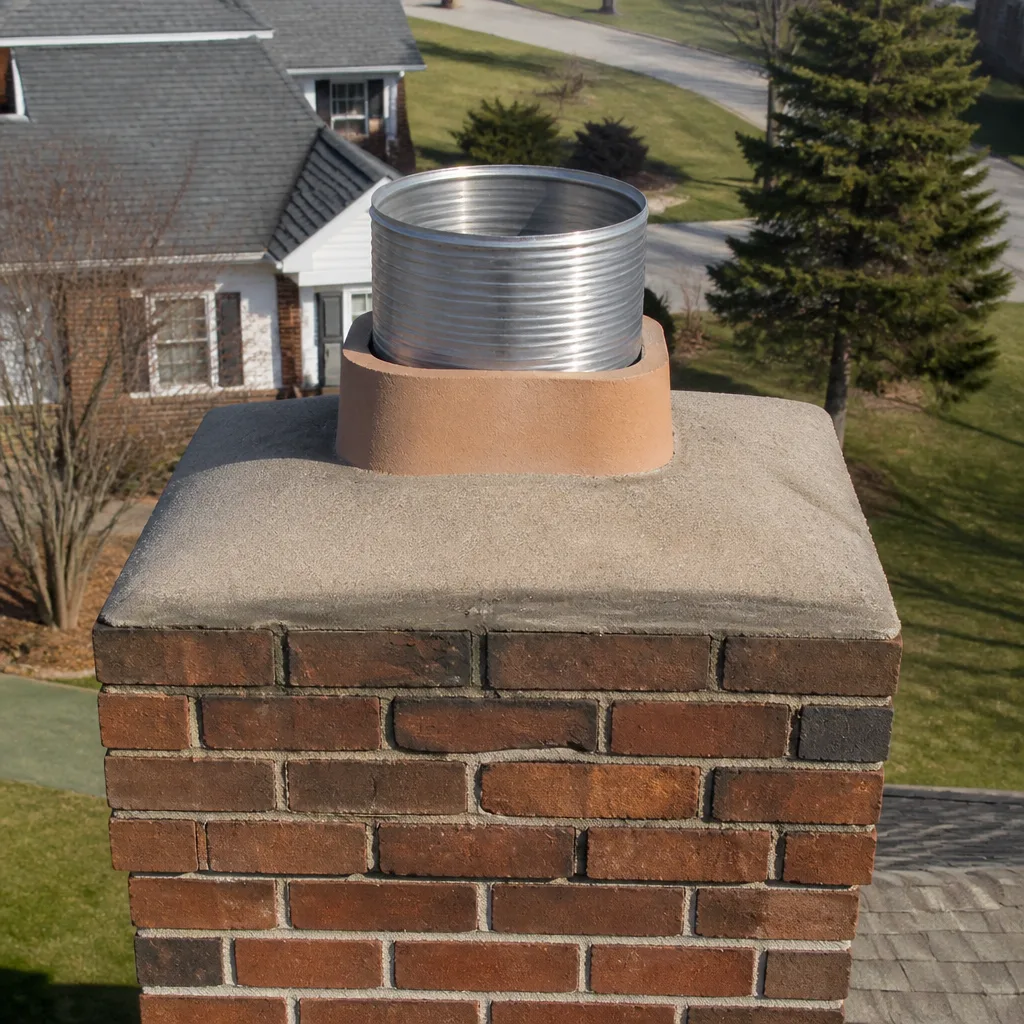 Flue relining
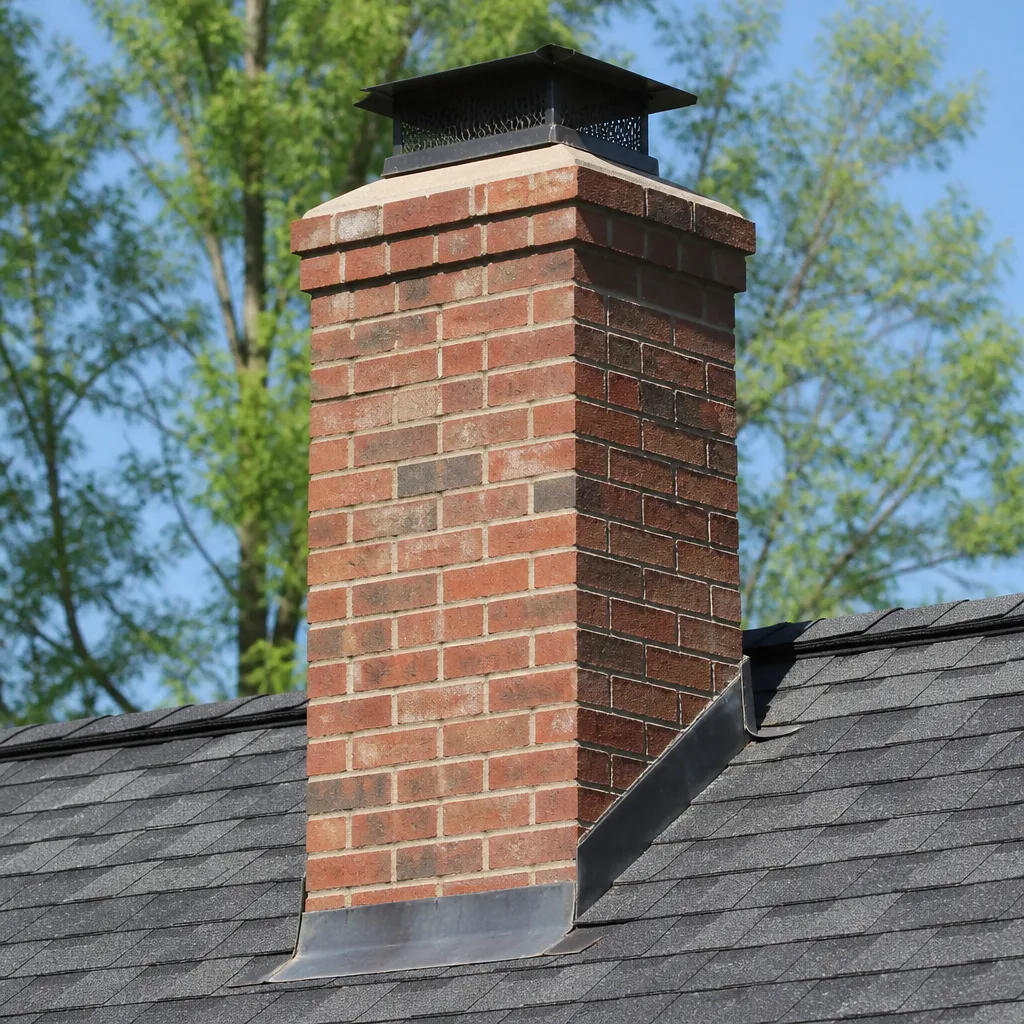 Masonry repair
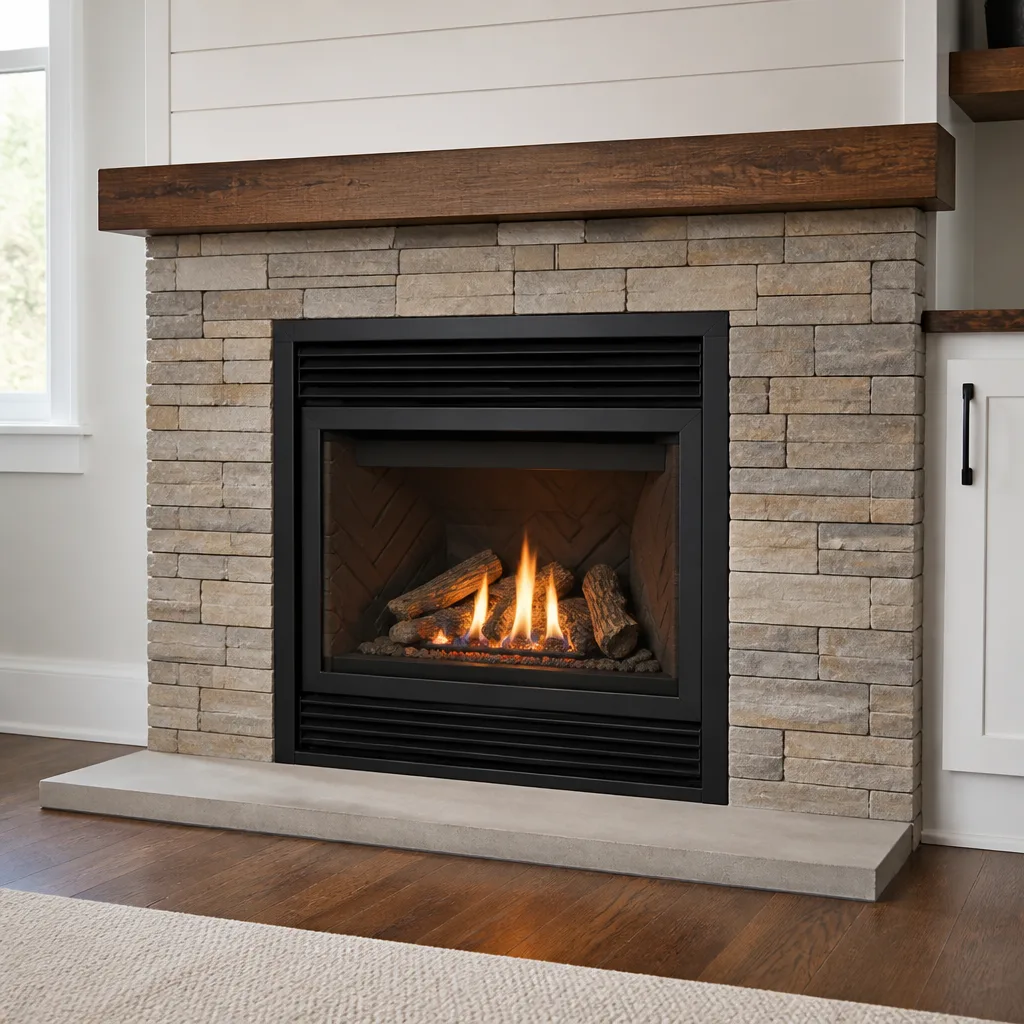 Gas fireplace service
Level 1 sweep and inspection to the NFPA 211 annual standard - flue, crown, cap, and flashing checked and photographed
Chimney sweep logs do not sweep chimneys. They loosen some creosote - which then falls where a brush and vacuum still have to collect it.
Choosing the Right Chimney Cleaning Brand: A Buyer’s Guide for South Coast Metro
Two contractors can both call themselves full-service chimney specialists, both show up in the same search results, and both tell you your flue needs attention. Then one stocks HeatShield ceramic resurfacer and stainless DuraFlex liner systems, and the other grabs whatever the local hardware supplier had on the shelf that morning. The difference doesn’t show up in the sales call. It shows up a decade later, when one liner is still sound and the other is cracked and pitting from moisture it was never protected against. This guide is about how to tell those two contractors apart before you write a check. We’ll walk through the material systems that actually determine quality, the questions to ask, and how to read a written quote in South Coast Metro so the line items tell you what the total price can’t.
Quick Answer
The right chimney cleaning company in South Coast Metro is the one that can name the specific product systems it installs, not just the services it offers. Ask what liner system they use, what crown sealer they apply, and what they do when an inspection turns up damage. A contractor who stocks and installs professional-grade components like HeatShield or DuraFlex can explain the why behind each one. A contractor who answers vaguely is telling you something too.
Styles & brands we work with
- Sweep & inspection
- Caps & crowns
- Flue relining
- Masonry repair
- Gas fireplace service
Table of Contents
- What “Brand” Means for a Chimney Contractor
- The Product Lines That Separate Repair-Capable Contractors
- Questions That Reveal Technical Depth
- Crown Sealers and Water Repellents That Hold Up
- CSIA Certification: A Baseline, Not a Guarantee
- How to Compare Written Quotes Line by Line
- Why South Coast Metro Conditions Stress a Chimney
- Common Mistakes to Avoid
What “Brand” Means for a Chimney Contractor
When homeowners search for the best chimney cleaning company in South Coast Metro, the word “brand” usually means reputation. But for a trade that involves liners, caps, crowns, and masonry coatings, the more useful meaning is literal. The brands a contractor carries tell you what kind of shop it is.
A sweep-only operation owns brushes, a vacuum, and maybe a camera. Its material inventory is thin because its scope stops at cleaning. A repair-capable operation owns the same cleaning gear plus the products needed to fix what the inspection finds: a stainless liner system, a ceramic resurfacing compound, crown bonding materials, a water repellent that survives sun exposure, and caps built for longevity. Those are different businesses, and the product shelf reflects it.
Here’s the practical test. Call a contractor and ask which professional-trade supply lines they work with. If they can name the systems they install and explain when they use each, you’re talking to someone with product depth. If the answer is “we use whatever’s best for the job,” you haven’t learned anything.
This matters more in South Coast Metro than in many places, because the homes here are old enough to have a wide variety of chimney construction. Some have clay tile liners approaching the end of their service life. Some have already been relined and need only maintenance. Some were built with masonry crowns that have been quietly absorbing moisture for years. A contractor who works with one product can only see one solution. A contractor who works with a range can match the repair to the condition.
That’s the whole argument of this guide. Choose the material system first, and the company choice usually follows.
The Product Lines That Separate Repair-Capable Contractors
You don’t need to become a chimney materials expert. You need to recognize a handful of product categories and know what each one does, so you can ask informed questions and understand the answers. Here’s what a professional roster of materials looks like in practice.
Liner systems
A stainless steel liner is the backbone of any serious relining job. DuraFlex is a flexible stainless liner system built for chimney applications, and it’s the kind of product a repair-capable contractor keeps on hand or can spec without delay. When you ask what liner a contractor installs, you’re asking whether they can size and specify a proper system or whether they subcontract that part out.
Ceramic resurfacing
HeatShield is a ceramic resurfacing product used to restore a damaged clay tile liner from the inside without tearing it out. It’s a specialist solution, and it’s the clearest single signal of repair depth. A sweep-only operation can’t offer it. A full-system contractor uses it when the liner’s condition calls for restoration rather than full replacement. We use HeatShield because it gives homeowners a lower-cost repair pathway when the damage is within its scope, and we’ll say plainly when it isn’t.
Dampers and ventilation components
Top-sealing dampers and ventilation components from lines like Famco and Olympia Chimney are the parts that keep a chimney sealed when it isn’t in use. A contractor who stocks these can install a proper top-mount damper rather than improvising.
Caps and crowns
Caps and crown components from Copperfield and Famco are commercial-grade. That matters because a cap is a water-shedding device sitting on top of your house, exposed to everything. Generic hardware-store caps tend to go first in a decade of sun and weather.
When you talk to a contractor, ask them to name the specific system they’d use on your chimney and why. Then ask what happens if that one isn’t right for the condition. The answer will tell you a lot.
Questions That Reveal Technical Depth
Marketing language is easy to write. Technical answers are hard to fake. These questions are designed to cut through to what a contractor actually knows.
- “What liner system do you install, and how do you size it?” A qualified answer references the specific system and how it’s sized to the appliance and the flue. A vague answer references “the best one.”
- “Can you show me a photo of the inside of my flue?” Camera inspection and a photo report are standard for anyone doing the work properly. If a contractor can’t show you what they’re describing, don’t accept the recommendation.
- “What would you do if my liner is cracked but not fully failed?” A repair-capable contractor can talk about resurfacing options like HeatShield. A replacement-only contractor has one answer.
- “What crown sealer do you apply, and what’s it rated for?” This is where product depth really shows. Crowns take sun and moisture year-round in this region; a professional formulation holds up differently than a consumer-grade one.
- “Do you do the sweep, the inspection, and the repair?” One company handling all three means no handoff between a sweep crew that finds an issue and a repair contractor who never saw the sweep.
- “Will you tell me if I can safely wait on a repair?” Any contractor who can’t say “this can wait” isn’t giving you a diagnosis; they’re giving you a sales script.
- “What’s the flat price for the sweep, and when is it agreed?” A flat price agreed before the visit starts means no surprises mid-job.
If a contractor stumbles on the first two questions, the conversation is over. If they handle the middle questions with concrete detail and answer the last two honestly, you’re on the right track. For a deeper look at what a proper chimney sweep visit includes, that page walks through the actual steps.
Crown Sealers and Water Repellents That Hold Up
Water is the most common cause of chimney damage, and the crown is where most of it gets in. The crown is the concrete cap at the top of the masonry chimney that sheds water away from the flue and the brick. When it cracks, water enters the masonry, and the damage works its way down over seasons.
A qualified contractor applies a crown sealer, water repellent, or both, and the difference between a consumer-grade product and a professional formulation matters in South Coast Metro’s climate. Summers are warm and dry, which stresses a sealant with expansion and direct sun. The cooler months bring moisture, and any small crack in a crown or a sealer is a pathway. A product that wasn’t built for that cycle will fail earlier than the contractor’s warranty would like.
What to ask and know:
- The sealer type. Ask whether the contractor uses a flexible masonry crown sealant that can bridge small cracks and move with the concrete, rather than a rigid coating that cracks again the first time the crown expands.
- The application method. The sealer needs to go on a clean, dry surface to bond properly. Ask what prep the contractor does first.
- The water repellent. A vapor-permeable masonry water repellent protects the brick on the sides of the chimney while allowing moisture inside the brick to escape. A non-breathable sealer traps it and causes spalling.
- The cap. A properly sized cap from a commercial line like Copperfield or Famco protects the flue opening from rain and animal intrusion while allowing proper draft.
Crown and cap work is where you’ll most clearly see the difference between a sweep operation and a repair-capable one. We install chimney cap & crown components from professional lines, not hardware-store substitutes, because a crown is a 20-year piece of infrastructure sitting on top of your house. For a broader view of structural repair options, the full service scope at Chimney Sweep South Coast Metro covers what we handle.
CSIA Certification: A Baseline, Not a Guarantee
The Chimney Safety Institute of America (CSIA) credential is a real starting point. It means the technician has been tested on the fundamentals of chimney and venting safety, and it signals that the contractor takes the trade seriously. But certification is a knowledge credential, not a material-quality credential. It doesn’t tell you what the contractor stocks or how deeply they repair.
Here’s what to check beyond the credential:
- Repair capability on-site. Can the same company that inspected the chimney perform the liner work, parging, cap install, or crown repair? If the answer is “we refer that out,” you’ll be coordinating two companies and two warranties.
- Product knowledge depth. Ask what liner system they install and why they chose it over alternatives. Someone with real depth can explain tradeoffs between liner types, not just recite a brand name.
- Resurfacing options. Does the contractor offer ceramic resurfacing like HeatShield when the liner’s condition allows it? A replacement-only shop has a much narrower toolkit.
- Documentation standards. Ask how they document the inspection. Photo reports matter enormously for trusting what you’re told.
- Diagnostic honesty. Will the contractor tell you when a repair can safely wait? Anyone who recommends large-scale work without showing evidence is a risk, credentialed or not.
In other words, treat CSIA as a minimum filter. Then look at the materials, the scope, and the honesty of the diagnosis to make the real choice. In South Coast Metro, there are plenty of certified technicians; the differentiator is what they can actually do when the inspection turns something up.
How to Compare Written Quotes Line by Line
The easiest way to get burned on chimney work is to compare total prices across contractors who quoted different scopes. A $250 quote for a sweep and a $2,800 quote for a sweep plus a liner aren’t comparable, but the sticker shock on the second one makes it feel like the first one “won.”
Use this approach instead:
- Require line items. A written quote should break out the sweep, the inspection, camera work, and any repair. If it’s one lump sum, ask for the breakdown in writing.
- Match scopes. Compare the same line items across quotes. Only if the scopes match can the totals be compared.
- Check material specifications. Each repair line should name the product or system being installed. “Liner replacement” is not a specification. “Stainless flexible liner sized to the flue” with the product line named is.
- Flag what’s missing. If one quote includes a crown repair and another doesn’t, the second isn’t necessarily cheaper; it’s incomplete.
- Ask about the photo report. Quotes that include camera inspection and a photo report are more trustworthy because you can verify what was found.
- Confirm the flat price. The sweep price should be agreed before the visit. Repairs get quoted in writing after the inspection, and the price is set per job by that written estimate.
- Ask what can wait. A contractor’s willingness to note which items can safely be deferred tells you whether the quote is a diagnosis or a wish list.
The best quote isn’t the cheapest one or the longest one. It’s the one whose line items you can understand and whose recommendations you’ve seen evidence for. That’s how you compare chimney quotes in South Coast Metro without getting lost in totals.
Why South Coast Metro Conditions Stress a Chimney
South Coast Metro’s climate is mild compared to much of the country, but mild isn’t easy on a chimney. Warm, dry summers expand the masonry and the crown sealers on top of it. Cooler, moist winters shrink them back. Over years, that movement opens micro-cracks in crowns, sealer coatings, and mortar joints, and moisture works its way in. Salt air isn’t a factor here, but sun exposure and seasonal shifting are.
The other factor is use. Homes in South Coast Metro that burn regularly build up creosote at a rate that depends on how and what’s burned. A fireplace used a few times a year is one thing. A wood-burning insert running through the cooler months is another. The rhythm of a busy fireplace season combined with summer heat is precisely what makes annual inspection worthwhile. It’s the moment to catch liner cracks, sealer failures, and crown problems before they become structural repairs.
We think about this as a yearly cycle: post-season inspection and cleaning, then any repair work, then pre-season readiness before the next burning period. That cycle is what keeps a chimney in service without surprise repair bills. In our experience, homeowners who follow it spend less on repairs than those who wait for a visible problem.
That guidance also explains why “best chimney cleaning company in South Coast Metro” isn’t really a price question. It’s a maintenance-cycle question. The right contractor is the one who can do the sweep, spot the damage, and fix it in the same visit or a scheduled follow-up. For fireplace-side repair work, see fireplace repair for what a repair visit actually includes.
Common Mistakes to Avoid
- Choosing on the sweep price alone. Sweep prices are a small share of what a chimney actually costs over time. The liner, crown, and cap work determines the real cost of ownership, and a cheap sweep from a company that can’t do that work leaves you shopping again next year.
- Accepting a diagnosis without evidence. If a contractor tells you the liner is cracked, ask for camera photos. A real repair recommendation is backed by images you can see. Anything else is a sales pitch.
- Hiring a sweep-only crew for a repair job. A less-thorough cleaner who’s also unqualified to repair can leave an issue half-diagnosed. Better to start with someone whose scope covers both, so the sweep and the fix live under one roof.
- Skipping the crown. Homeowners naturally think about the firebox and the flue. The crown quietly sits above it all, absorbing sun and moisture. If it’s cracked or unsealed, water is entering the masonry every time it rains.
- Confusing CSIA certification with material quality. The credential is a good baseline, but it says nothing about what the contractor stocks. A certified sweep with a hardware-store cap is still a hardware-store cap.
- Letting a cape and crown job use generic parts. In South Coast Metro, sun exposure shortens the life of consumer-grade caps. Professional components from lines like Famco or Copperfield age differently, and the cap is doing the same job as the roof over your head.
- Comparing totals instead of line items. Two quotes that look different in total may be listing different scopes. Match the line items first; only then does a price comparison mean anything.
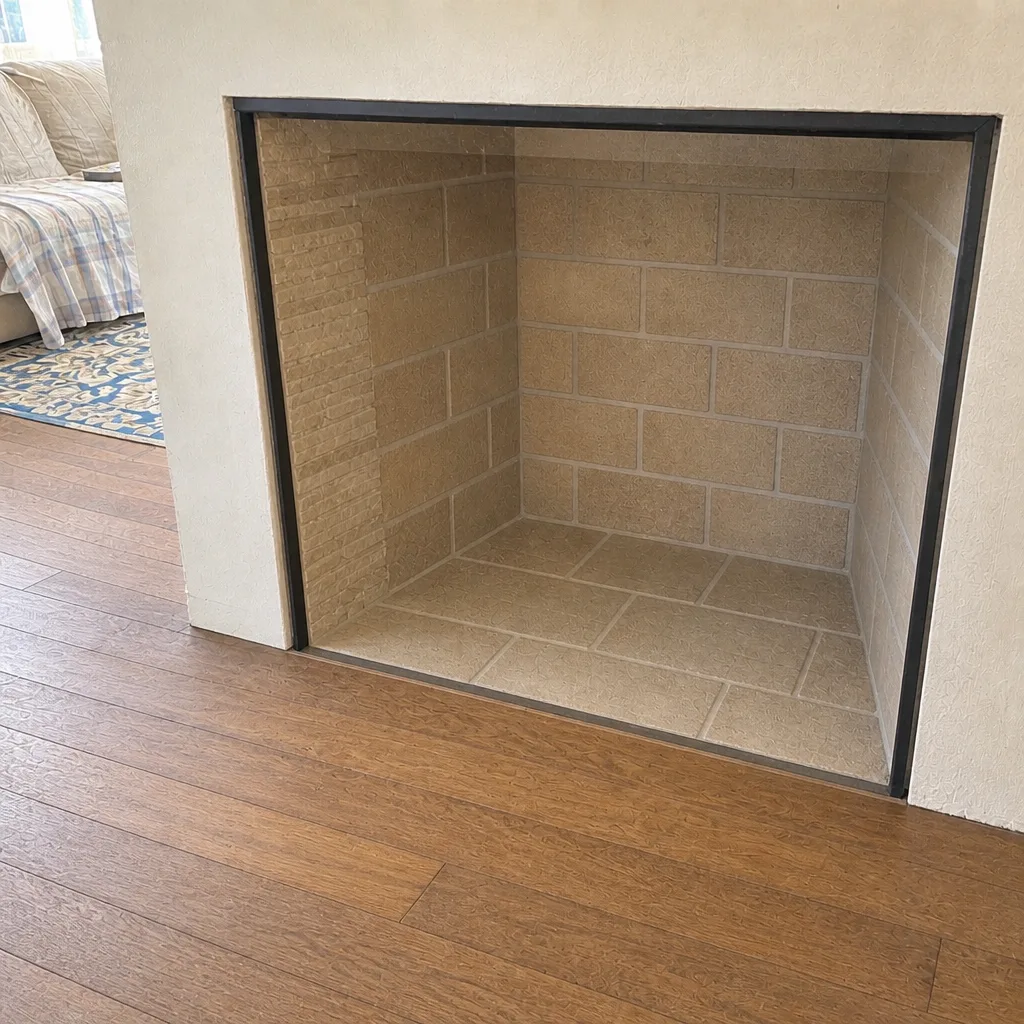
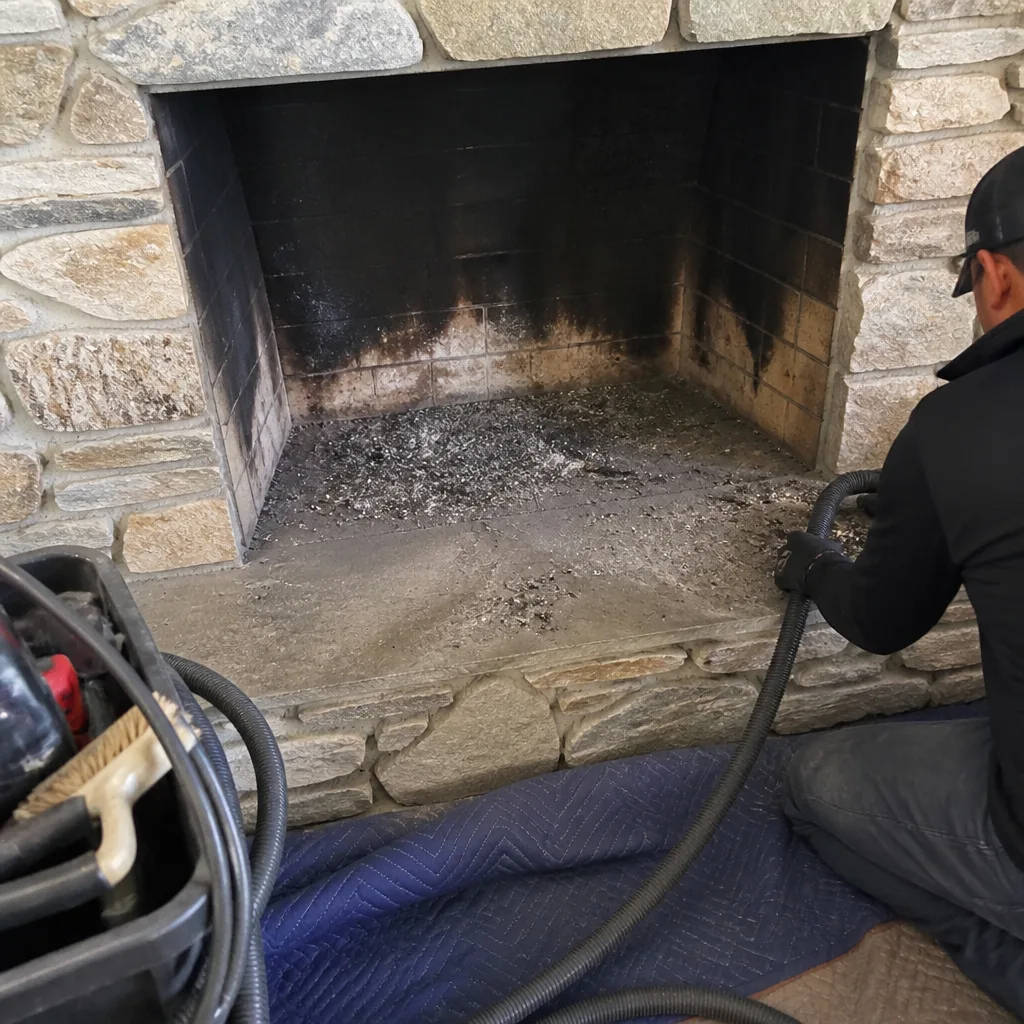
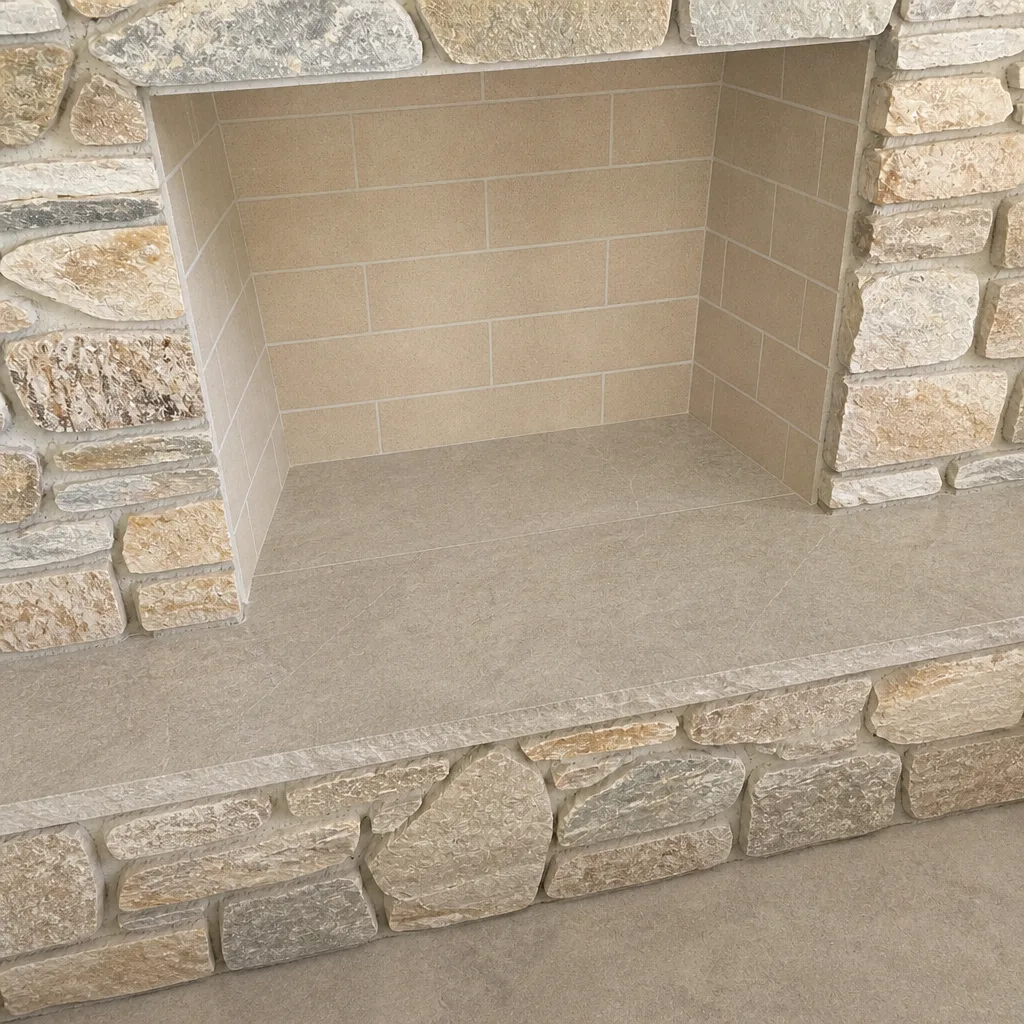
See the difference
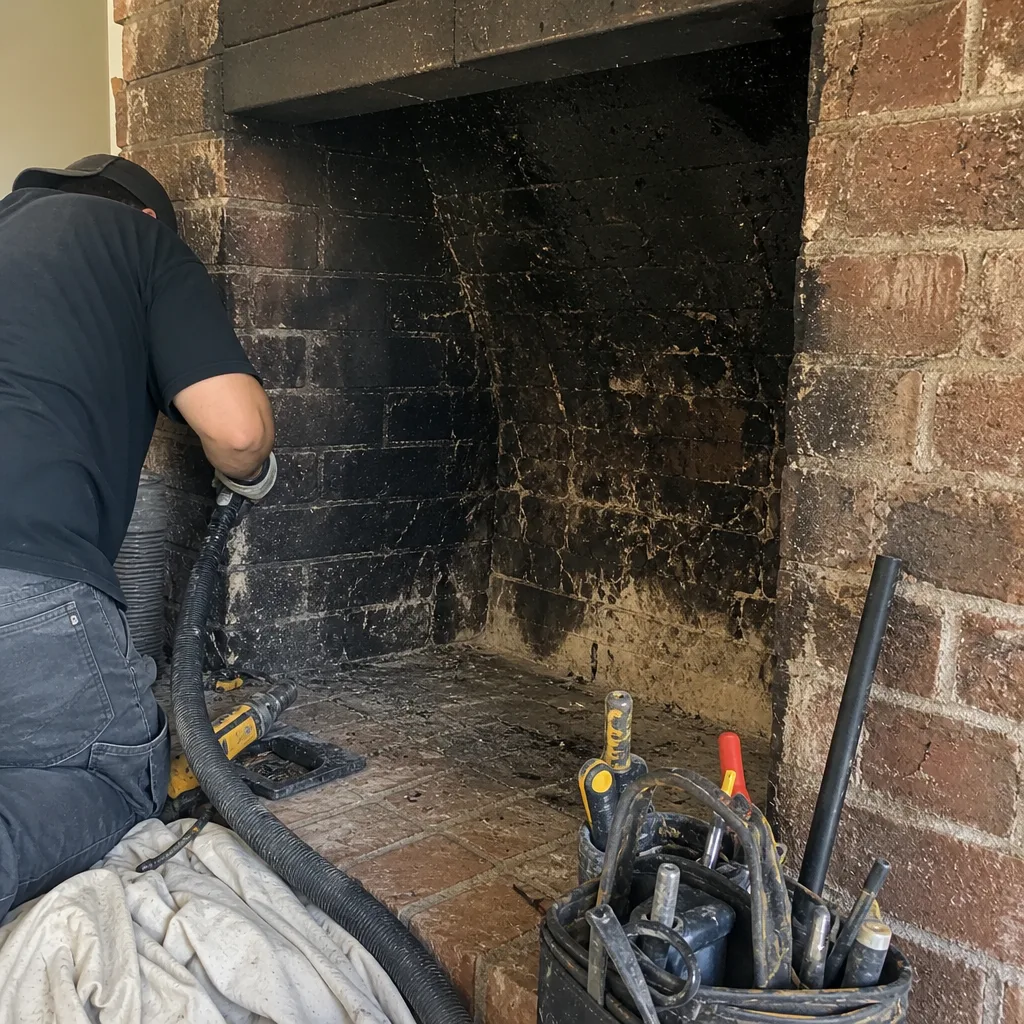 Before
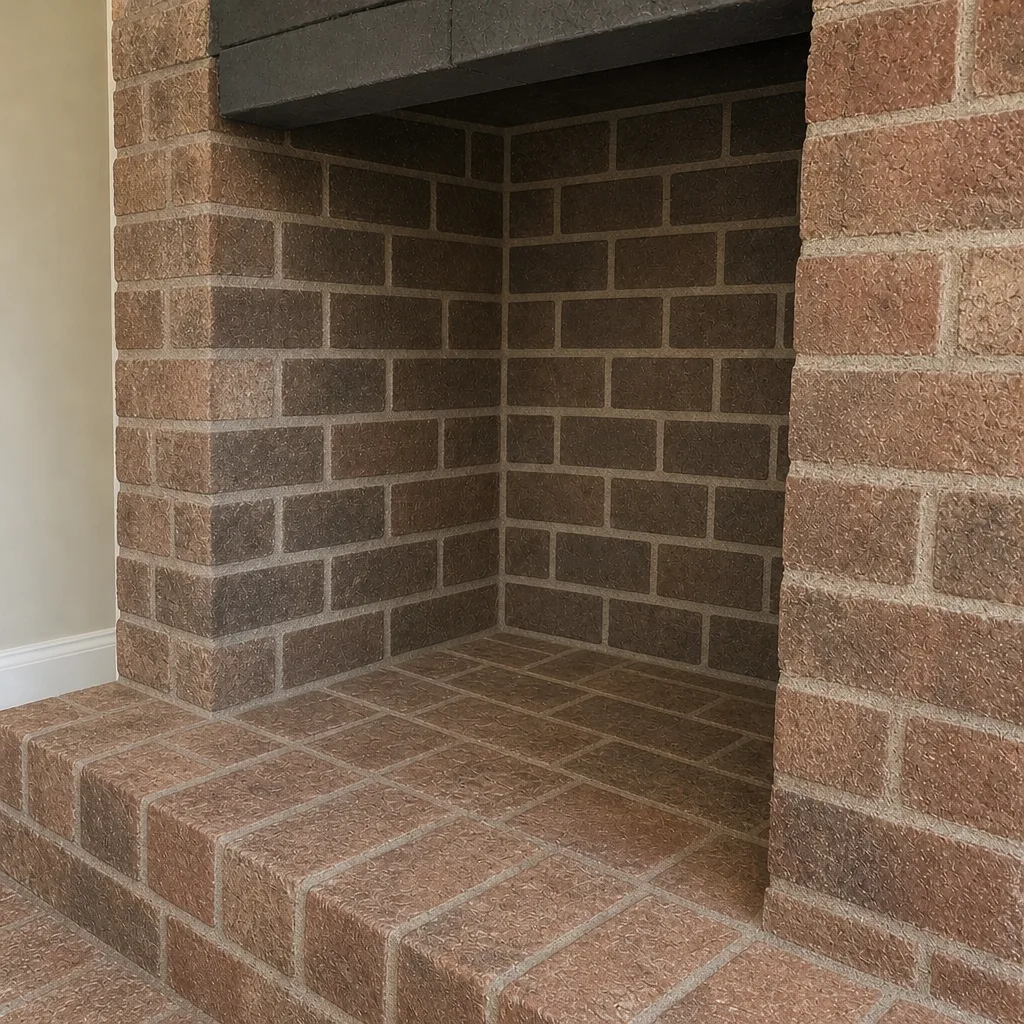 After
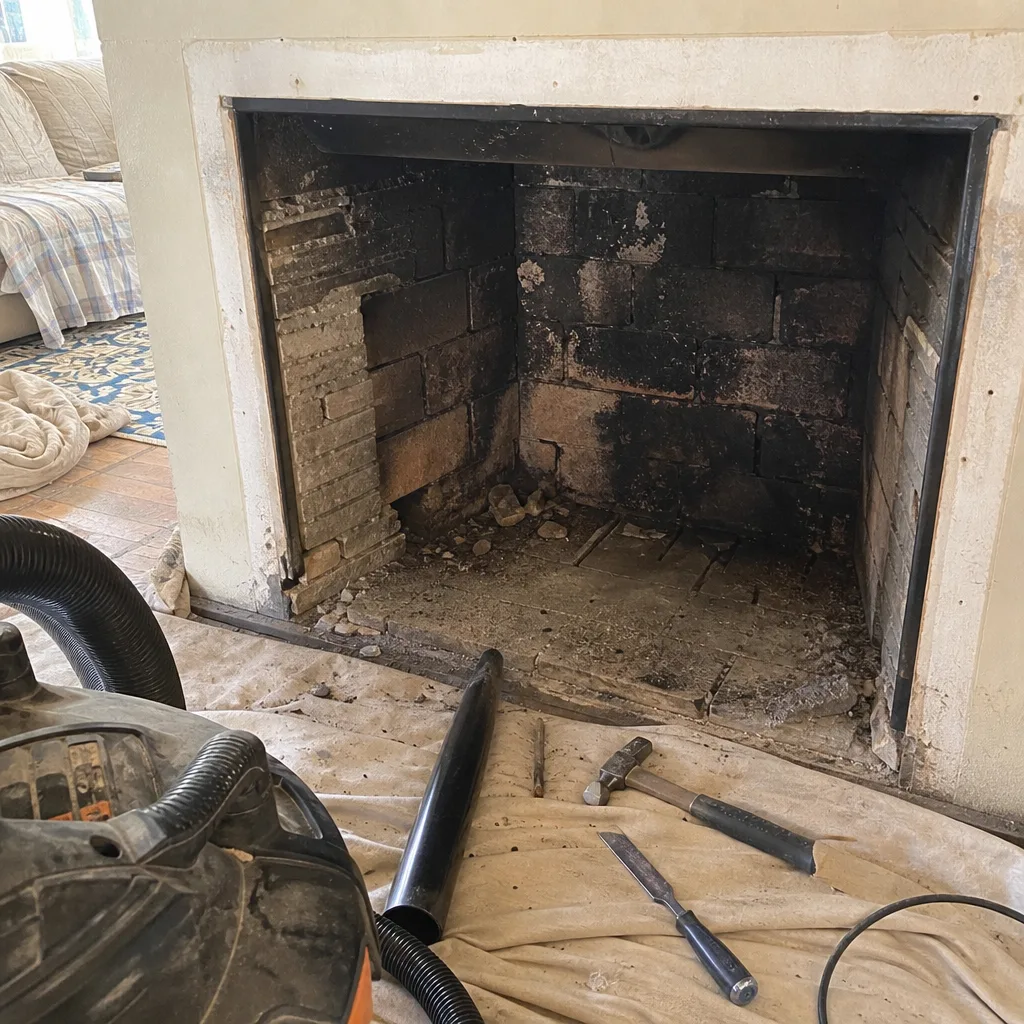 Before
 After
 Before
 After
When to Call a Professional
Clean and inspect a chimney at least once a year if you burn regularly, and sooner if you notice creosote buildup, a smoky draft, an odd smell when the fireplace isn’t in use, water staining on the interior masonry, or a cap that’s loose or damaged. Call a professional immediately if you smell gas near the hearth, if the firebox has visible cracks, or if a chimney has been through a fire. These are safety issues, not cosmetic ones, and they need someone qualified rather than a weekend project.
If you’re ready to talk through what a sweep and inspection would find at your place, Chimney Sweep South Coast Metro offers free estimates in South Coast Metro. Call (833) 509-5393. We answer 24/7, with fast dispatch from 7am to 7pm, Sunday through Friday.
Frequently Asked Questions
Most chimney sweeps in South Coast Metro start around a flat-price range for a standard cleaning and inspection, with extra cost only if additional repair work is needed. The flat price for the sweep is agreed before the visit begins, and repairs are quoted separately in writing after the inspection. Call (833) 509-5393 for an exact quote. Estimates are free.
Resurfacing can restore a cracked clay tile liner without a full tear-out when the damage falls within its scope, and HeatShield ceramic resurfacing is what we use for that. Full liner replacement is the right call when the flue’s condition is beyond resurfacing. Ask the contractor for camera evidence of the damage before you decide. Call (833) 509-5393 for an exact quote. Estimates are free.
A chimney used regularly should be swept and inspected once a year, and more often if you burn heavily or notice buildup. The ideal time in South Coast Metro is after the burning season ends, so any repairs can be made before the next one begins. Call (833) 509-5393 to book a sweep. Estimates are free.
Creosote accumulates in the flue with every fire, and when it builds up it becomes a fire hazard. A cracked or unsealed liner also lets combustion gases into the home. Skipping the sweep doesn’t cause an immediate problem, but it stacks risk silently until something goes wrong. Call (833) 509-5393 to schedule an inspection. Estimates are free.
A sweep cleans the flue. A full-system chimney specialist also inspects with a camera, identifies damage, and performs the repair work: liner installation, resurfacing, cap and crown work, and fireplace repair. If your chimney needs anything more than a cleaning, you want a company that handles both under one roof. Call (833) 509-5393 to ask what a sweep and inspection includes. Estimates are free.
Because the products a contractor stocks determine what they can actually install and how long the result lasts. A crown sealer rated for a different climate, a generic cap, or a liner system improvised from a supplier’s shelf will age differently than a professional-grade HeatShield, DuraFlex, or Copperfield component. Ask which systems a contractor installs. If they can’t tell you, that’s your answer. Call (833) 509-5393 to talk through a specific chimney. Estimates are free.
The Bottom Line
Choosing the right chimney cleaning company in South Coast Metro comes down to material depth. The company name is the least informative thing on the quote. The liner system, the crown sealer, the cap manufacturer, and the repair scope tell you what you’re actually buying. Ask what systems the contractor installs, ask for camera evidence of any diagnosis, and compare written quotes by line item rather than total. A contractor who can walk you through those questions has nothing to hide. A contractor who can’t is hiding the fact that they can’t do the work. Chimney Sweep South Coast Metro stocks and installs professional-grade components from the lines in this guide, and we’ll tell you plainly what a chimney needs and what can wait.
Written by the team at Chimney Sweep South Coast Metro.