
Last updated November 23, 2026
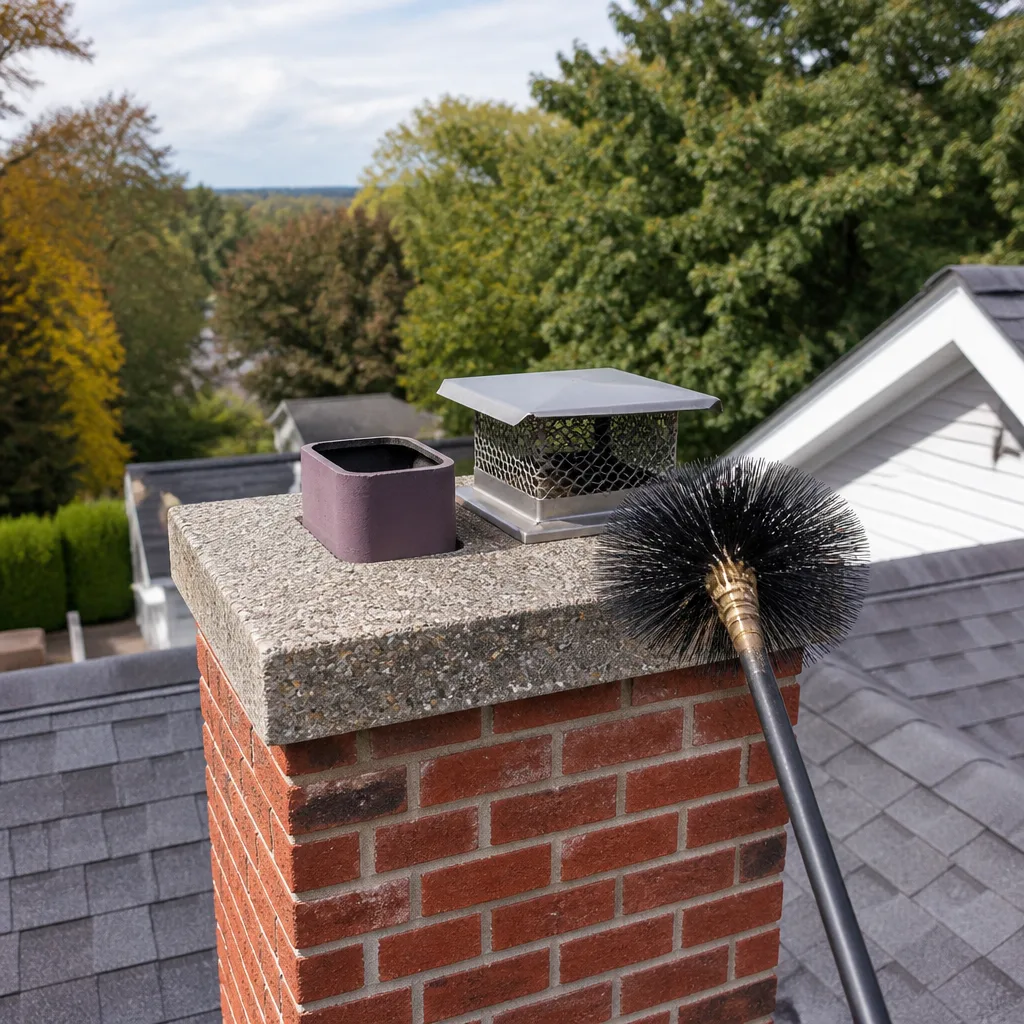 Sweep & inspection
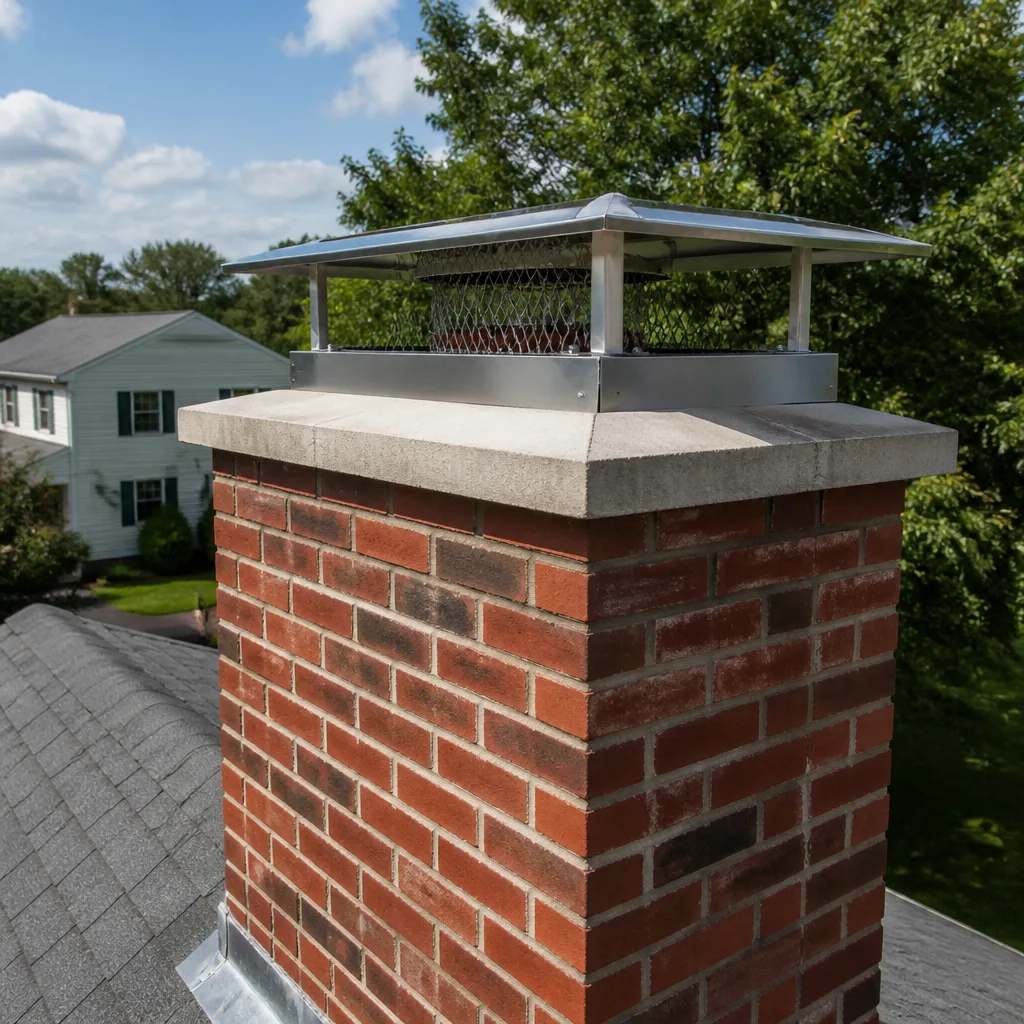 Caps & crowns
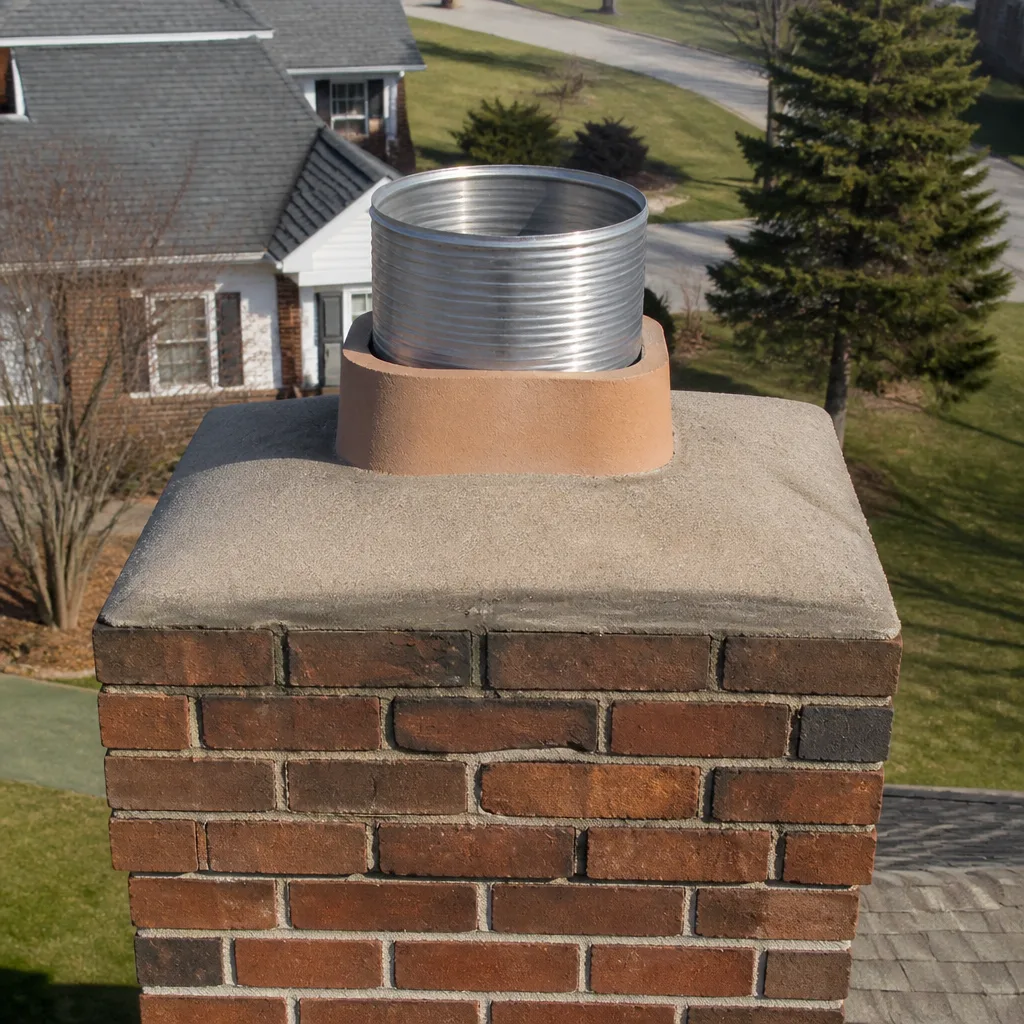 Flue relining
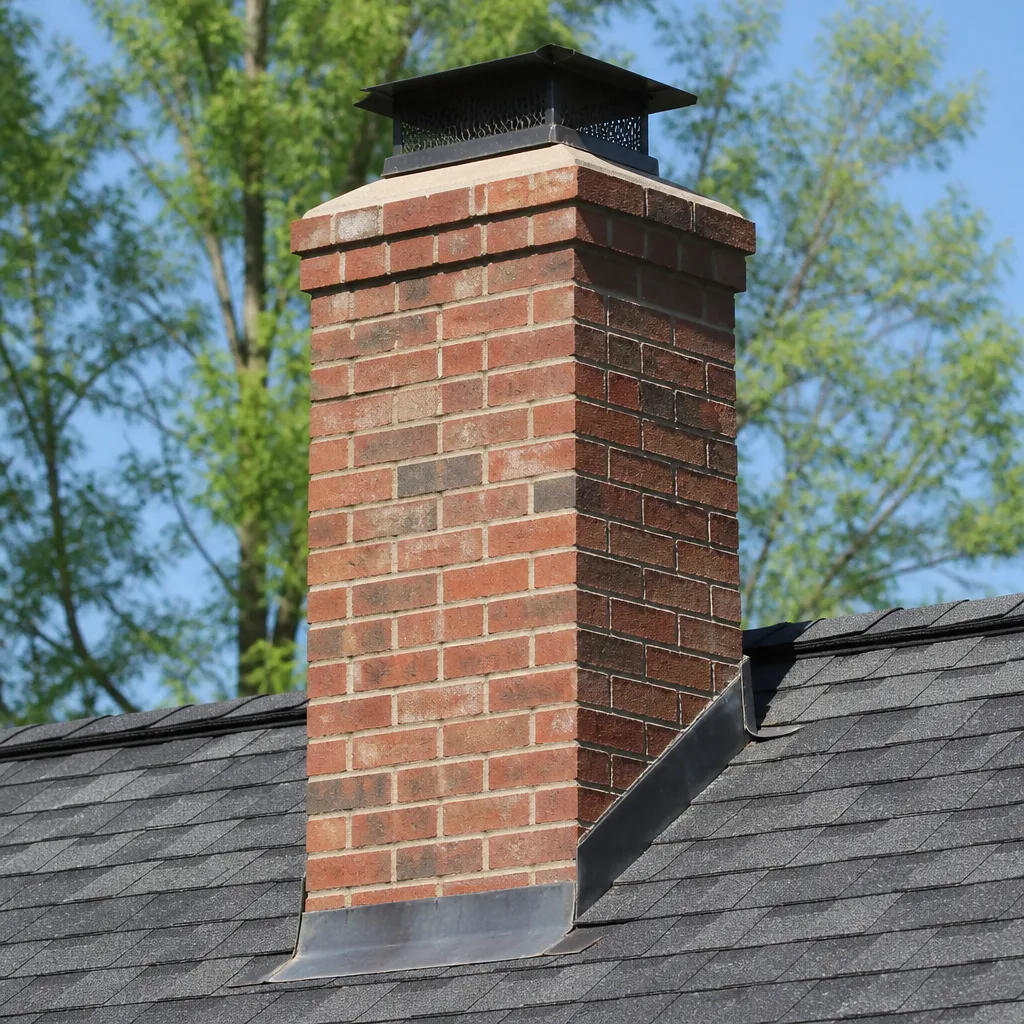 Masonry repair
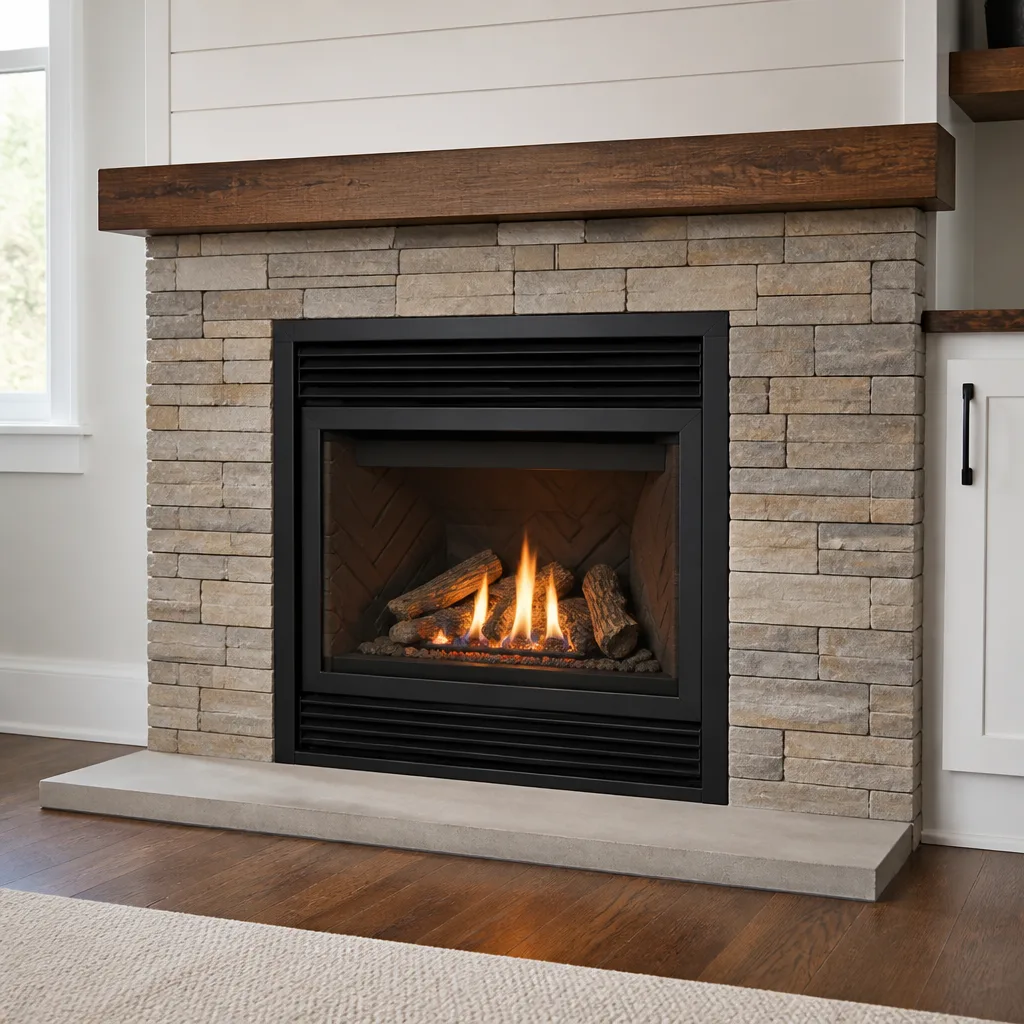 Gas fireplace service
Level 1 sweep and inspection to the NFPA 211 annual standard - flue, crown, cap, and flashing checked and photographed
Chimney sweep logs do not sweep chimneys. They loosen some creosote - which then falls where a brush and vacuum still have to collect it.
Chimney Cleaning Permits, Codes & Inspections in South Coast Metro, CA: What You Need to Know
Here’s a fact that surprises a lot of homeowners: sweeping your chimney in California doesn’t require a permit. Neither does a visual inspection, or replacing a cap. The permit line is crossed the moment a technician starts changing the structure of the system – relining the flue, rebuilding a firebox, altering flashing where the chimney meets the roof. That’s the part most people don’t learn until a title company asks for permit records during a sale. In this guide we’ll map exactly where that line sits in South Coast Metro’s jurisdiction, walk through the California code requirements that apply to liners and venting, and give you the checklist inspectors use so nothing catches you off guard.
Quick Answer
Chimney cleaning and visual inspections do not require a building permit in South Coast Metro, CA. Any work that alters the flue liner, firebox, masonry structure, or venting system – relining, firebox rebuilds, insert installations, and chimney penetrations through the roof – typically falls under California residential code and mechanical code and usually needs a permit from the local building department before work starts. You can call the South Coast Metro building department to confirm permit history on any property before you buy.
Styles & brands we work with
- Sweep & inspection
- Caps & crowns
- Flue relining
- Masonry repair
- Gas fireplace service
Table of Contents
- Where the Permit Line Actually Sits in South Coast Metro
- California Code Requirements That Apply to Chimneys
- How to Pull Past Chimney Permits Before You Buy
- What a Code-Compliant Liner Actually Looks Like
- The Inspector Checklist: What Fails Most Often
- Inserts, Gas Appliances, and Venting Requirements
- Selling a Home in South Coast Metro: What Escrow Will Ask For
- You Found Unpermitted Chimney Work. What Now?
Where the Permit Line Actually Sits in South Coast Metro
The simplest way to think about it: maintenance is maintenance, and construction is construction. Sweeping removes creosote and soot from a system that’s already built. That’s maintenance. The moment a technician is modifying the flue itself – cutting in, relining, resurfacing structural masonry, or changing how the chimney meets the roofline – that’s construction work on a building component, and construction on a chimney is treated the same as construction on any other part of the structure.
In South Coast Metro and the surrounding Orange County jurisdiction, the work that typically requires a building permit includes:
- Firebox rebuilds and firebox masonry repair beyond cosmetic patching
- Flue liner replacement or relining, including installing a stainless liner inside an existing flue
- New fireplace insert installations, whether wood-burning or gas, since venting and clearances are affected
- Chimney penetrations through the roof and flashing changes
- Structural masonry repair to the chimney stack or the section above the roofline
- New chimney construction or major rebuilds
What generally does not require a permit:
- Routine sweeping and creosote removal
- Visual chimney inspections (Level 1 and Level 2)
- Replacing a chimney cap with a like-for-like model
- Crown sealing or minor crown repair where structure isn’t altered
- Cosmetic repointing where masonry integrity is unchanged
Here’s the wrinkle: “like-for-like” cap replacement and “cosmetic repointing” are judgment calls, and different building departments read them differently. If you’re unsure whether your job crosses the line, call the South Coast Metro building department directly and describe the scope. That five-minute call is worth more than any internet generalization.
California Code Requirements That Apply to Chimneys
California’s residential code and mechanical code have specific requirements for chimneys and venting, and they’re stricter than what most of the housing stock in South Coast Metro was originally built to. When we pull a camera through a flue in a mid-century home here, we’re often looking at construction that met the code when the house was built and doesn’t meet it now.
The key requirements a compliant chimney system should meet:
- Listed and labeled liners only. Stainless liners and other prefabricated liner products must carry a listing from a recognized testing agency and be installed per the manufacturer’s listing – not cut, bent, or fitted to “make it work.” This is where DuraFlex and Olympia Chimney products come into play, and why the installation manual matters as much as the part.
- Proper clearance to combustibles. Chimneys need the clearance the applicable code and the appliance listing specify, measured all the way up through the attic and framing. Older homes frequently have zero clearance because the original chimney was built before today’s requirements.
- Height and termination requirements. The chimney must terminate at the required height above the roof and within the required distance of any opening, ridge, or wall. A cap or crown that changes the termination height without following code can create a compliance problem.
- Flue sizing for the appliance. A wood insert on a flue that’s oversized for the appliance drafts poorly and isn’t a compliant installation for that appliance.
- Venting of gas-fired appliances under the mechanical code, including vent termination and the requirement that vents not be blocked by the chimney’s own structure.
Title 24 energy code requirements also touch on fireplaces and appliances, mostly around envelope and combustion air – it isn’t usually the first thing an inspector asks about, but a new insert installation should account for it. If your contractor can’t speak to the applicable listing and code section, that’s a signal.
How to Pull Past Chimney Permits Before You Buy
Before closing on a home in South Coast Metro, you can request a permit history from the city building department. The process is straightforward, and it’s the single best way to find unpermitted chimney work before it becomes your problem.
- Get the property address and parcel number from the listing or title report.
- Contact the South Coast Metro building department and ask for the permit history on the address. Most departments will provide a list of permits pulled and their status.
- Look specifically for chimney, fireplace, insert, and HVAC permits. If the seller says the fireplace was relined or an insert was installed, there should be a permit on record – if not, ask why.
- Request inspection sign-off documents for any open or completed chimney-related permits. “Permit pulled” isn’t the same as “final inspection passed.”
- Walk the property with a Level 2 chimney inspection before you remove contingencies. Visual inspection outside plus a camera inside catches what the paper trail won’t.
- Compare the inspection report to the permit record. If there’s a liner in the flue but no permit on record, you’ve found unpermitted work.
One caution: a permit history search only tells you what was permitted, not what was installed correctly. A finaled permit doesn’t guarantee a code-compliant job. That’s why the inspection still matters.
What a Code-Compliant Liner Actually Looks Like
A compliant liner looks boring. It’s a continuous, correctly sized, listed stainless liner running from the appliance collar to the chimney top, secured at both ends, insulated or wrapped where the listing requires it, and terminated with the manufacturer’s cap. It doesn’t need to be up-tightened, bent at the top, or sleeved around a mid-stack offset without a fitting.
What we routinely find in older South Coast Metro homes:
- Unlined clay tile flues with mortar joints missing or cracked, common in homes built before liner requirements tightened
- Clay tile with gaps where the tile has shifted or scaled, letting flue gases into the chase
- Single-wall liners installed decades ago that no longer meet current listings and may be corroded at the joints
- Oversized flues paired with a small insert, causing poor draft and heavy creosote accumulation
- Liner terminations below the top of the flue tile, which lets water in and blocks the required cap
- Flexible liners crushed at the smoke chamber because the original installer didn’t smooth the transition
Where the liner is intact but the flue walls have spalled or lost their parging, HeatShield ceramic resurfacing can restore the interior surface without a full reline. That’s a repair pathway most local competitors don’t offer, and it’s worth asking about when the alternative is thousands of dollars in liner work. HeatShield is not appropriate for a liner that’s structurally failed – it’s a resurfacing system, not a replacement – so the decision has to come from the inspection, not the price sheet.
If the inspection hands you repair findings you don’t want to act on immediately, our chimney repair service is set up to handle relining, resurfacing, and masonry repair under the same roof, so you’re not handing a report to a second contractor.
The Inspector Checklist: What Fails Most Often
When a chimney system is inspected during a home sale, a few items do most of the failing. Here’s the checklist we work from, and roughly what the order of concern looks like:
- Flue liner condition. Cracked, shifted, missing, or unlined flues are the most common fail. Missing mortar joints between tiles show up on camera.
- Smoke chamber. A smoke chamber with sharp edges, gaps, or missing parging needs correction before it can be called compliant. This is where HeatShield resurfacing is often the answer.
- Crown condition. A cracked crown lets water into the masonry, which pushes every other problem downhill. A chimney cap & crown replacement is often the first repair on the list.
- Cap and spark arrestor. Missing caps, screens rusted through, and terminations that don’t match the listing get flagged.
- Clearance to combustibles. Framing within the clearance zone through the attic or roofline is a serious finding.
- Firebox condition. Cracks in firebox masonry and deteriorated firebrick get called out, especially where the firebox has been repaired with mortar instead of fire-rated material.
- Chimney exterior and flashing. Spalling brick, failed flashing, and gaps in the chase at the roofline.
- Damper operation. Dampers that don’t close, don’t seal, or have been removed to fit an insert.
If a Level 2 inspection turns up any of these, the report should include photos or camera footage you can see for yourself. Nothing should be recommended on our word alone – that’s the standard we work to, and you’re entitled to hold any chimney contractor to it.
Inserts, Gas Appliances, and Venting Requirements
An insert installation is where code compliance gets tricky, because unlike a sweep, it involves changing the system. Under California residential and mechanical code, an insert has to be listed for the application, installed per its listing, vented through a liner sized for that appliance, and connected to a flue that’s in good enough condition to carry the venting. A wood insert on an unlined or cracked flue is a non-compliant installation on both the appliance side and the venting side.
The same logic applies to gas fireplaces, gas logs, and freestanding gas appliances vented through the chimney. Mechanical code covers the vent termination, clearances, and the requirement that the vent not be blocked by internal chimney debris or a damaged flue. A common failure we see in South Coast Metro is a gas appliance vented into an oversized flue with no liner, which drafts poorly in the mild winters here and can spill combustion byproducts back into the room under certain pressure conditions. That’s the carbon monoxide risk people hear about but rarely connect to the venting.
If you’re adding an insert, the practical sequence is: inspection first, then a liner sized for the new appliance, then the insert, then the permit and inspection. Doing it in reverse is how you end up pulling an insert to fix the liner underneath it.
Selling a Home in South Coast Metro: What Escrow Will Ask For
When a home in South Coast Metro goes into escrow, the buyer’s inspector will look at the chimney, and the report will either say “functional” or it will list findings. That report becomes a negotiation lever. It doesn’t matter whether the fireplace has been used twice in ten years – if the report flags the liner, the buyer has a problem with the liner.
What sellers should have ready before the inspection:
- Permit history on the address, requested from the building department
- Records of any relining, insert install, or firebox work – permits and final inspection sign-offs
- A current Level 2 inspection report if any chimney work is questionable, so you’re not negotiating against a report you’ve never seen
- Photos of interior and exterior condition, taken before the buyer’s inspector gets there
The scenario that costs sellers the most is the one in the opening paragraph: a reline or firebox rebuild completed years ago without a permit, discovered during escrow. Now the seller has to either reverse the work, permit it retroactively with a full inspection, or credit the buyer – and all three cost more than doing it right the first time. If you had a liner installed and never saw a permit, get ahead of it before you list.
You Found Unpermitted Chimney Work. What Now?
If the permit search turns up nothing but the flue clearly has a new-ish liner in it, or the firebox has been rebuilt with material that isn’t original to the house, you’re looking at unpermitted work. It’s not a crisis, but it needs to be handled.
The general path forward:
- Get a current inspection to establish what’s actually in the flue and whether it was installed correctly. Level 2 inspection, camera assisted, with photos.
- Contact the South Coast Metro building department and ask about the process for permitting the existing work or getting a compliance inspection. Every jurisdiction handles this a little differently.
- Fix what’s non-compliant before you permit – a permit covers the work that exists, and you don’t want to permit a failure.
- Pull the permit and take the inspection so the work becomes recorded and finaled.
- Keep the documents with your home records so the next sale doesn’t repeat the same conversation.
The good news: most unpermitted liner work can be corrected without a tear-out. The bad news: it takes time and it costs money, and the longer it’s deferred, the more likely the eventual inspection finds something worse. If you’re not sure what you have, a chimney inspection is the fastest way to find out.
Common Mistakes to Avoid
- Assuming sweeping needs a permit. It doesn’t, and asking the building department for a permit to sweep wastes everyone’s time. Call the department only when the work touches the liner, firebox, flashing, or venting.
- Skipping the permit on a reline “because it’s inside the chimney.” Interior work still counts. The permit record is what the next buyer finds, and whether the liner is visible from the roof doesn’t change that.
- Installing an insert on an unlined flue. It’s a code problem on both the appliance and the venting side, and it’s the most common non-compliant installation we see in older South Coast Metro homes.
- Replacing a cap with a hardware-store unit. A generic cap that isn’t listed for the application can change the termination and cause drafting problems. Gelco and Famco components exist for a reason; a $12 galvanized cap usually isn’t one.
- Trusting a finaled permit as proof of a good job. A permit sign-off means the inspection passed, not that the liner was installed well. Get the inspection report regardless.
- Not asking for the permit history before buying. It’s free and it takes a phone call, and it catches unpermitted chimney work years before the next escrow.
- Hiring a sweep who can’t do the repair. You end up with a report and no path forward, which is how jobs get deferred indefinitely. Ask up front whether the company can perform the work the inspection recommends.
See the difference
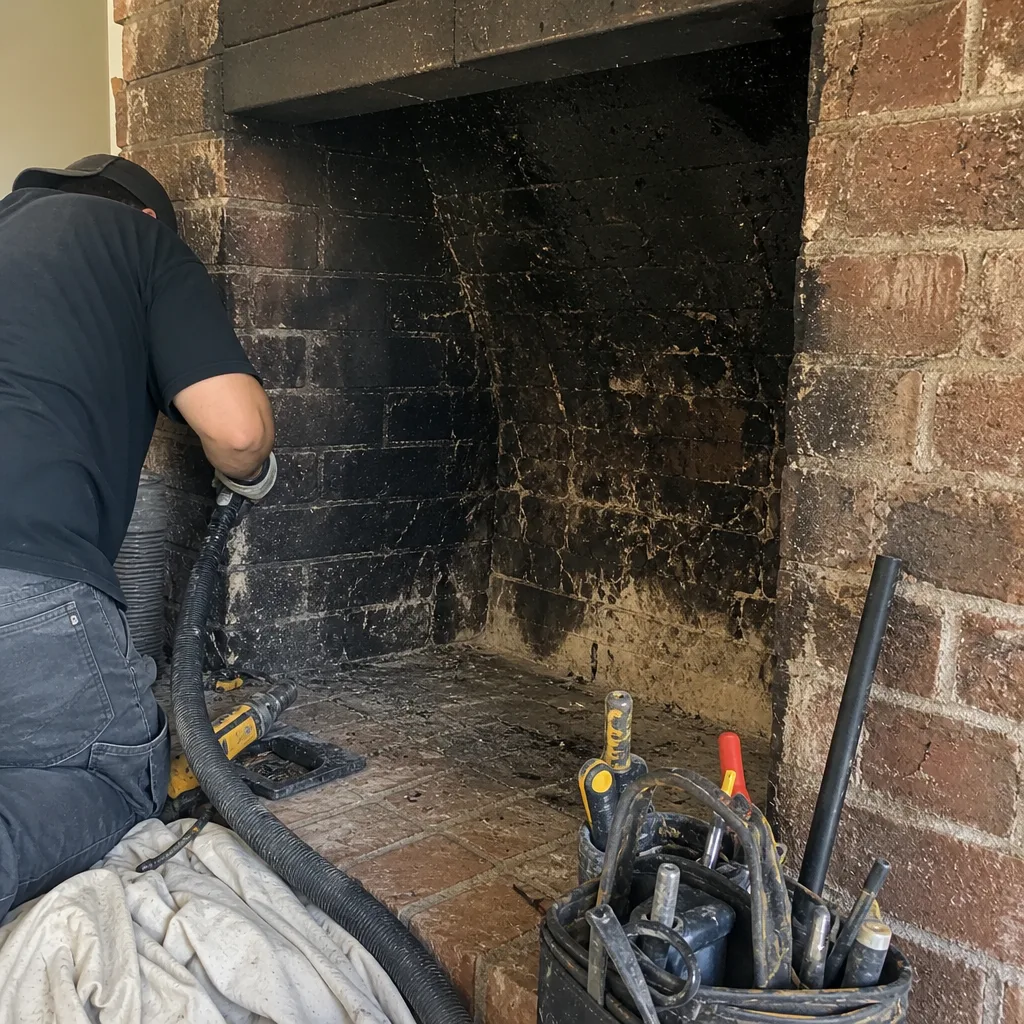 Before
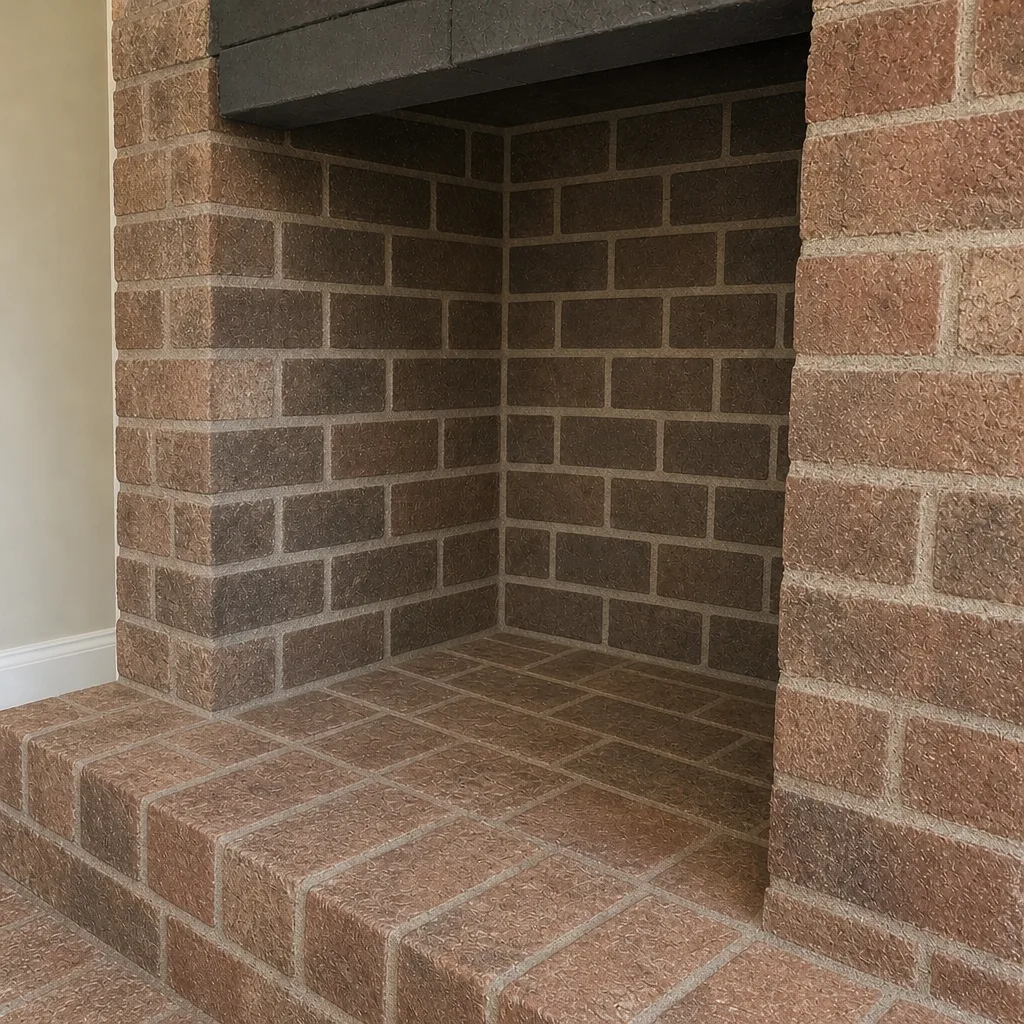 After
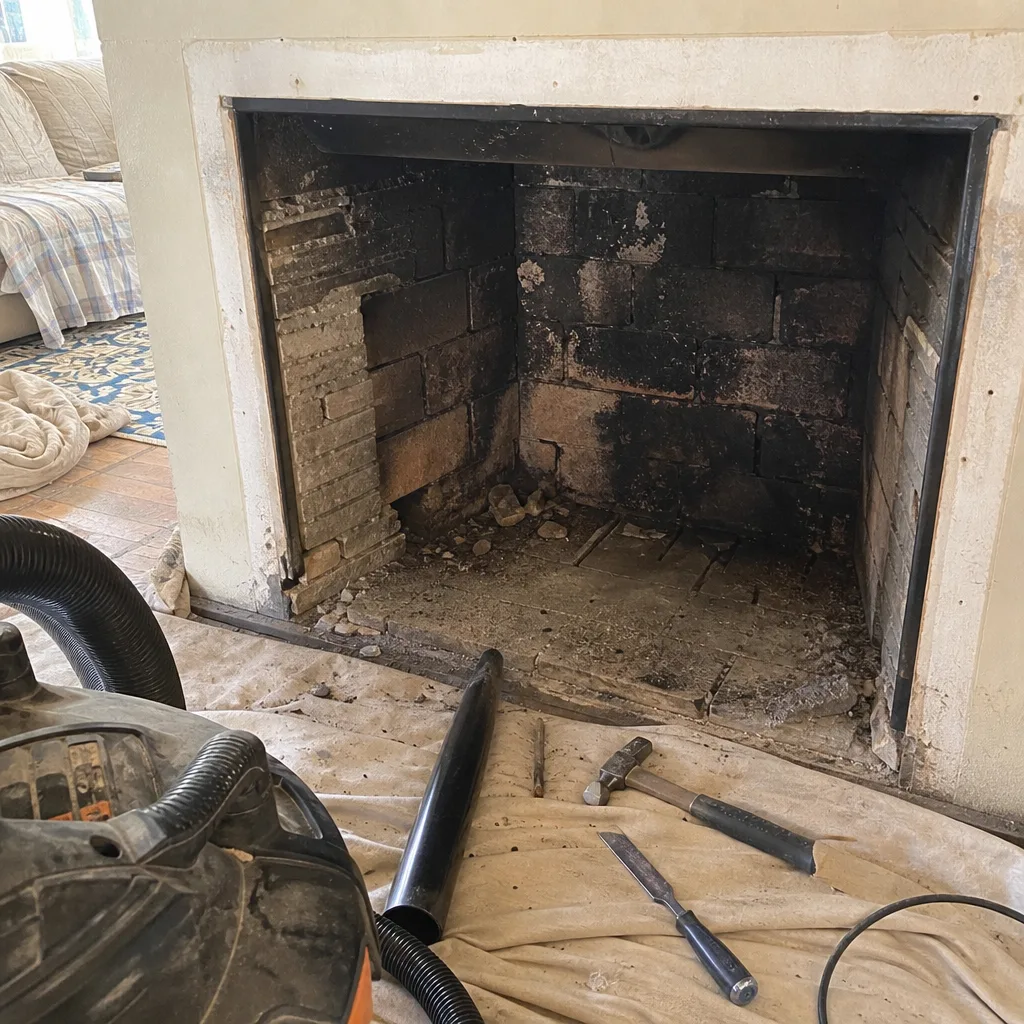 Before
 After
 Before
 After
When to Call a Professional
Call a professional when you’re buying or selling a home with a fireplace, when you’re planning an insert install or reline, when a prior sweep handed you findings you can’t verify, or when you’re not sure whether a job needs a permit. Also call if a prior inspection report recommended liner or firebox work and you never acted on it – the longer you wait, the more likely the inspection finds a bigger problem. Our technicians have up to 11 years of experience with the code side of this work, and inspections are paired with the repair capability to act on what’s found. Chimney Sweep South Coast Metro offers free estimates in South Coast Metro – call (833) 509-5393.
Frequently Asked Questions
No. Chimney sweeping is maintenance work and does not require a building permit in South Coast Metro, CA. Permits come into play when a technician alters the liner, firebox, masonry structure, or venting – relining, insert installs, firebox rebuilds, and chimney penetrations all typically require one. Call (833) 509-5393 for an exact quote – estimates are free.
In most California jurisdictions, including South Coast Metro, relining a chimney requires a building permit because it modifies the flue system. The permit ensures the liner product is listed for the application and installed to its listing. Ask the South Coast Metro building department to confirm before the job starts. Call (833) 509-5393 for an exact quote – estimates are free.
Request the permit history from the South Coast Metro building department on your address and compare it to what’s physically in the flue. If there’s a liner, insert, or firebox rebuild with no permit on record, that’s unpermitted work. A Level 2 inspection confirms what’s actually installed. Call (833) 509-5393 for an exact quote – estimates are free.
A compliant liner is a continuous, correctly sized, listed stainless liner running from the appliance to the chimney top, secured at both ends, terminated with the manufacturer’s cap, and installed to its listing. No crushed sections, no gaps at the top, no unlisted materials. Call (833) 509-5393 for an exact quote – estimates are free.
A home sale inspection reports the physical condition of the flue; a separate permit search reveals whether the work was recorded. Buyers and their agents routinely ask both questions. Unpermitted work found during escrow usually has to be permitted retroactively, corrected, or credited to the buyer. Call (833) 509-5393 for an exact quote – estimates are free.
HeatShield is a resurfacing system applied to the interior of the flue, and whether it requires a permit depends on the scope and the South Coast Metro building department’s read on it. Resurfacing that restores the flue surface is different from relining; ask the department to confirm the classification before work starts. Call (833) 509-5393 for an exact quote – estimates are free.
The Bottom Line
Chimney cleaning itself isn’t a permitted activity in South Coast Metro, and inspection isn’t either. The permit line is crossed when someone modifies the liner, firebox, masonry, or venting, and that’s the line homeowners discover too late during a home sale. If you’re buying, pull the permit history from the building department before you remove contingencies. If you’re selling, do the same before you list. If you’re not sure what’s in your flue, get a Level 2 inspection with camera photos you can see. Then fix what needs fixing with a company that can both find it and do it – the sweep, the inspection, and the repair under one roof, using listed professional-grade components like DuraFlex, HeatShield, and Copperfield. That’s what Chimney Sweep South Coast Metro is built to do.
Talk to Us About Your Chimney
Whether you’re planning a reline, dealing with findings from a prior inspection, or just want to know what’s actually in the flue before you sell, we’re set up to answer it. Chimney Sweep South Coast Metro handles the chimney sweep, the inspection, the fireplace repair, and the chimney repair through a single point of contact. Call (833) 509-5393 for a free estimate. We answer 24/7. Fast dispatch from 7am to 7pm, Sunday through Friday.
Written by the team at Chimney Sweep South Coast Metro.