
Last updated November 23, 2026
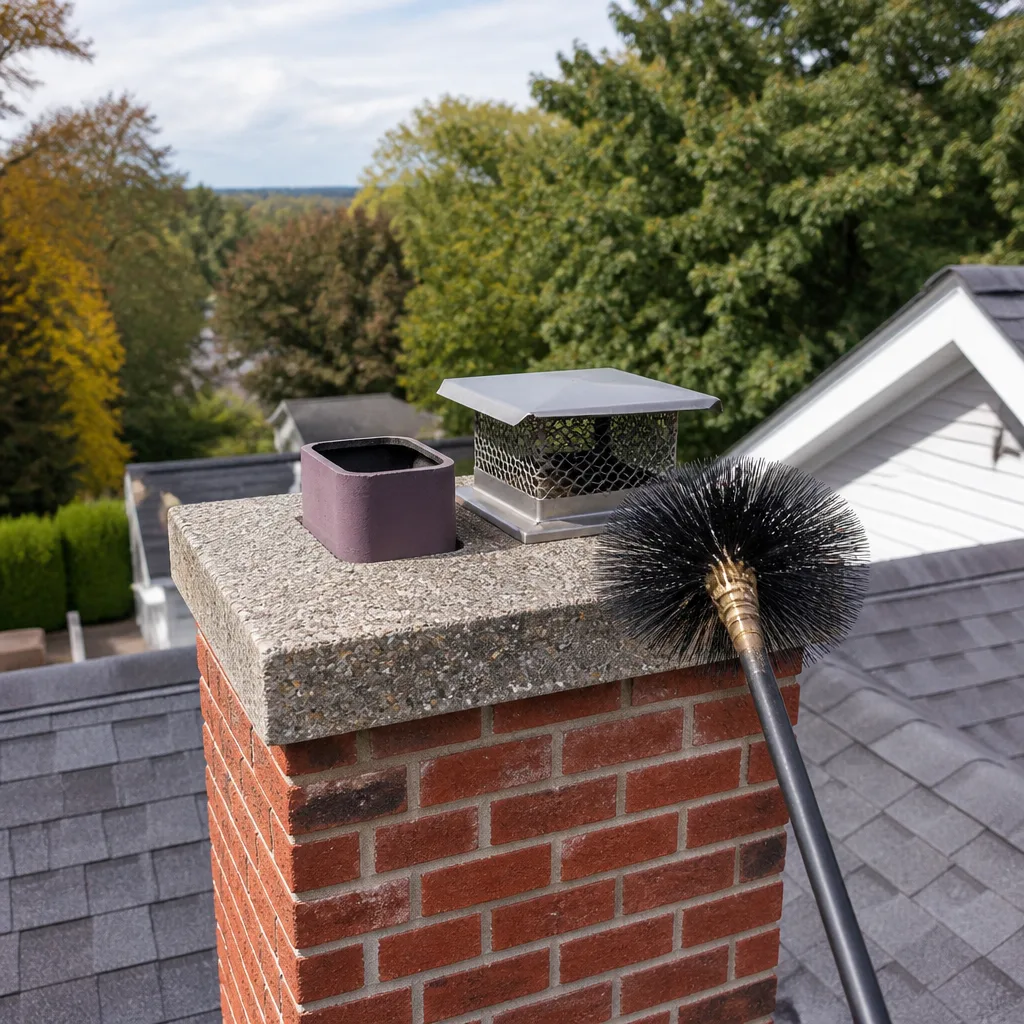 Sweep & inspection
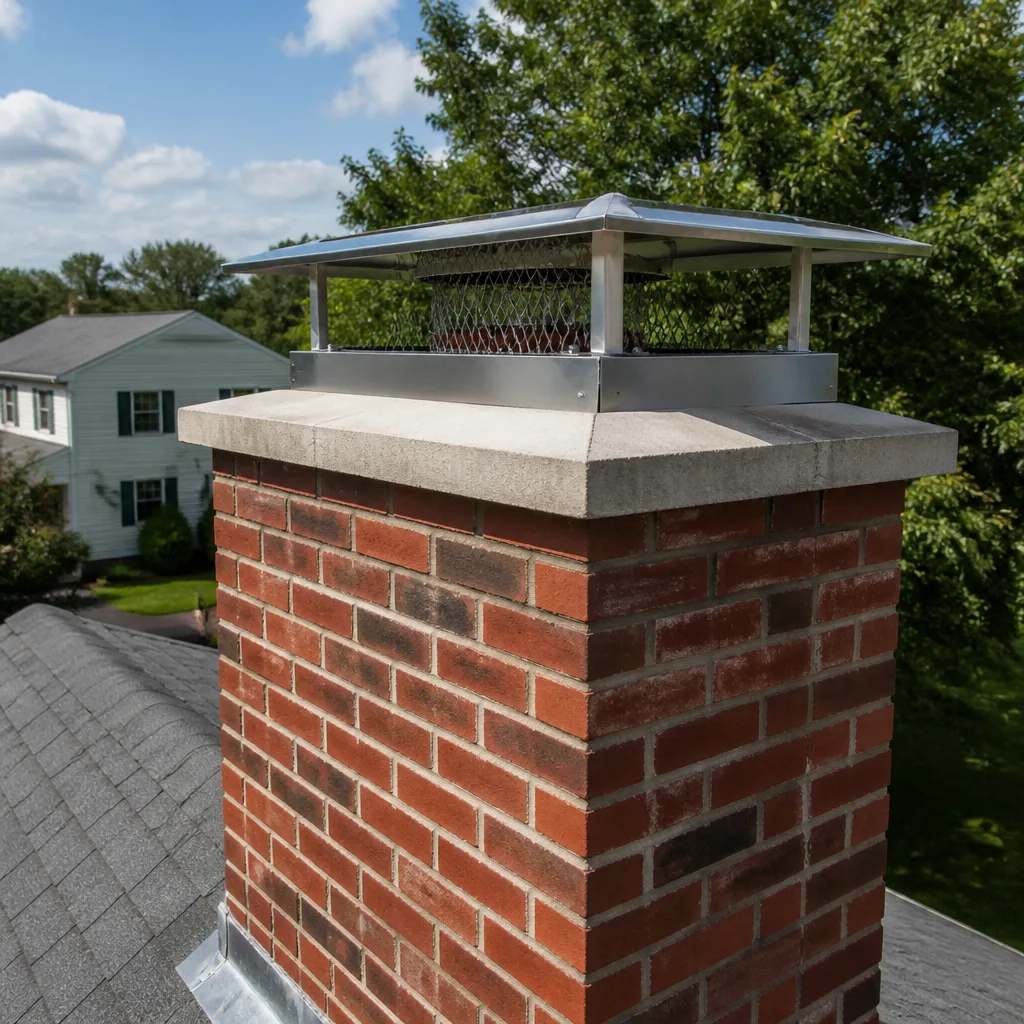 Caps & crowns
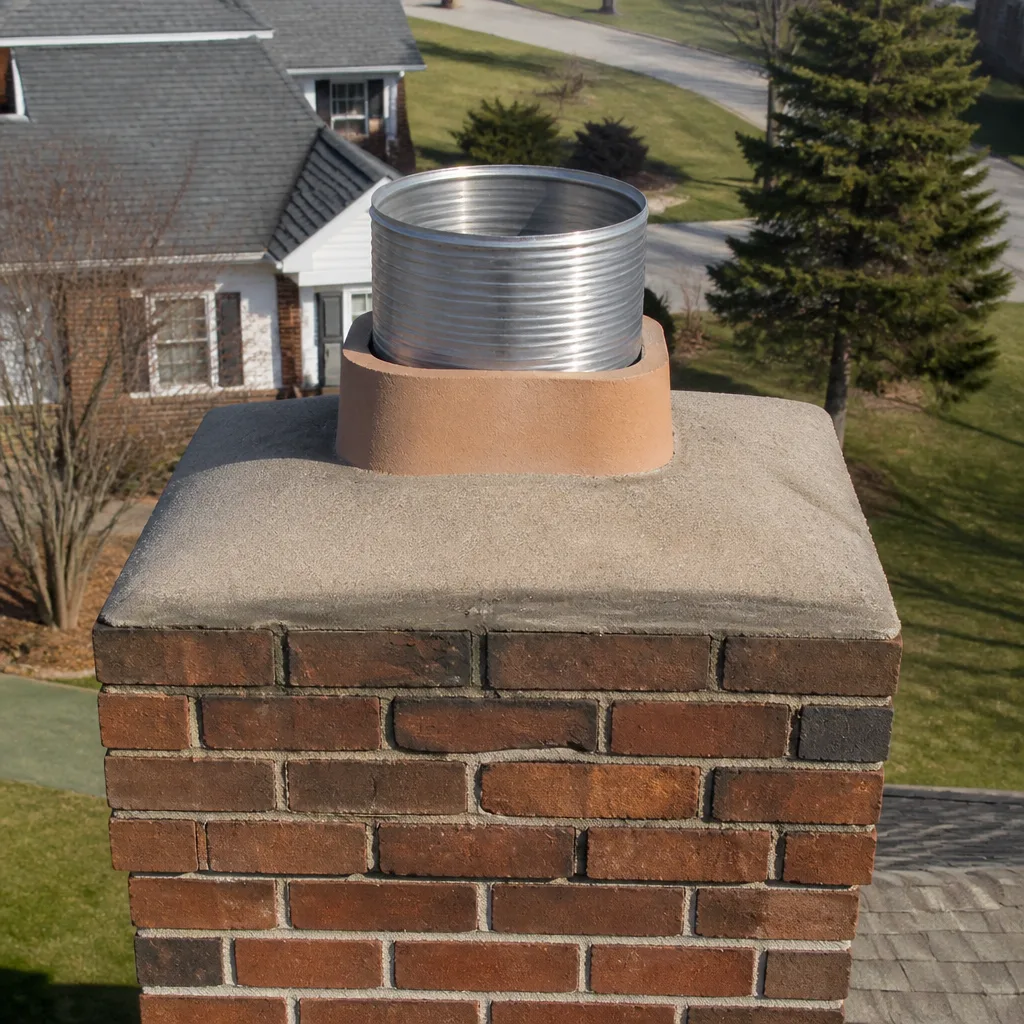 Flue relining
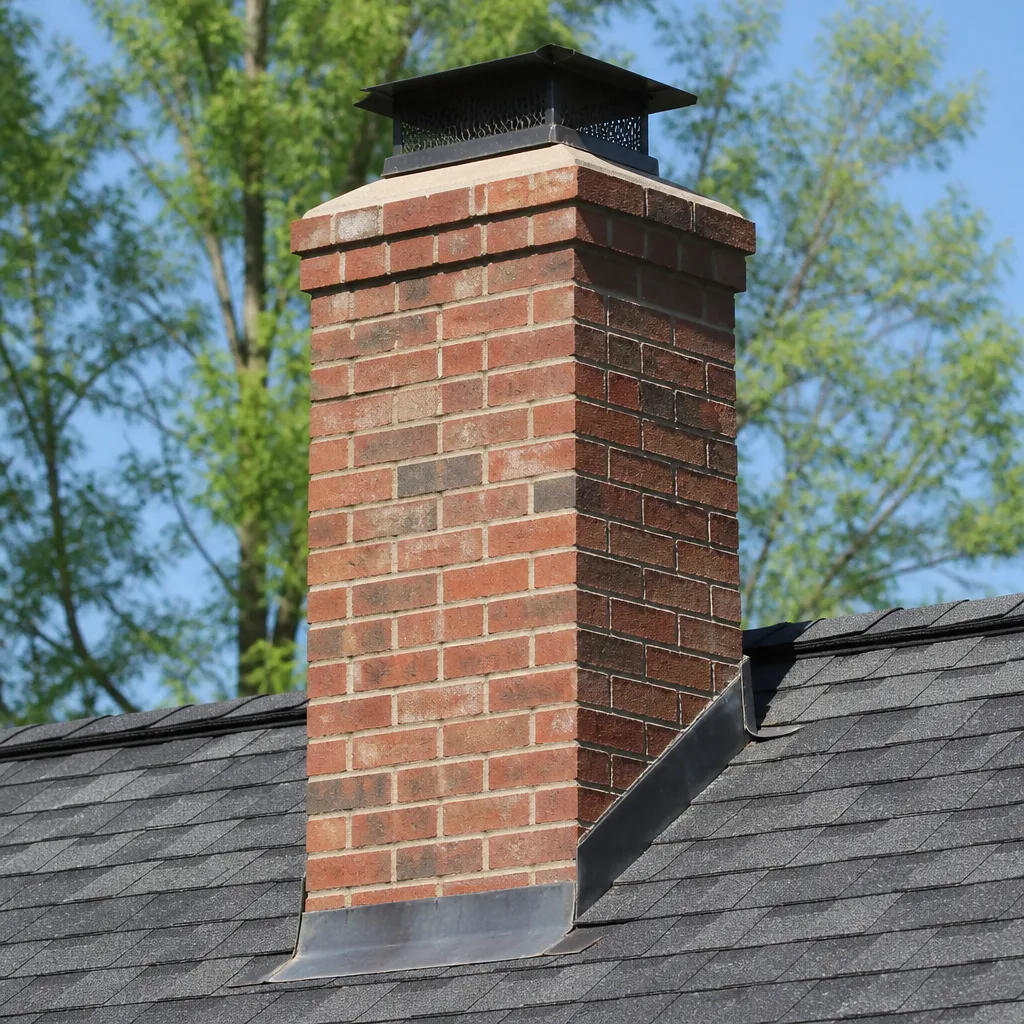 Masonry repair
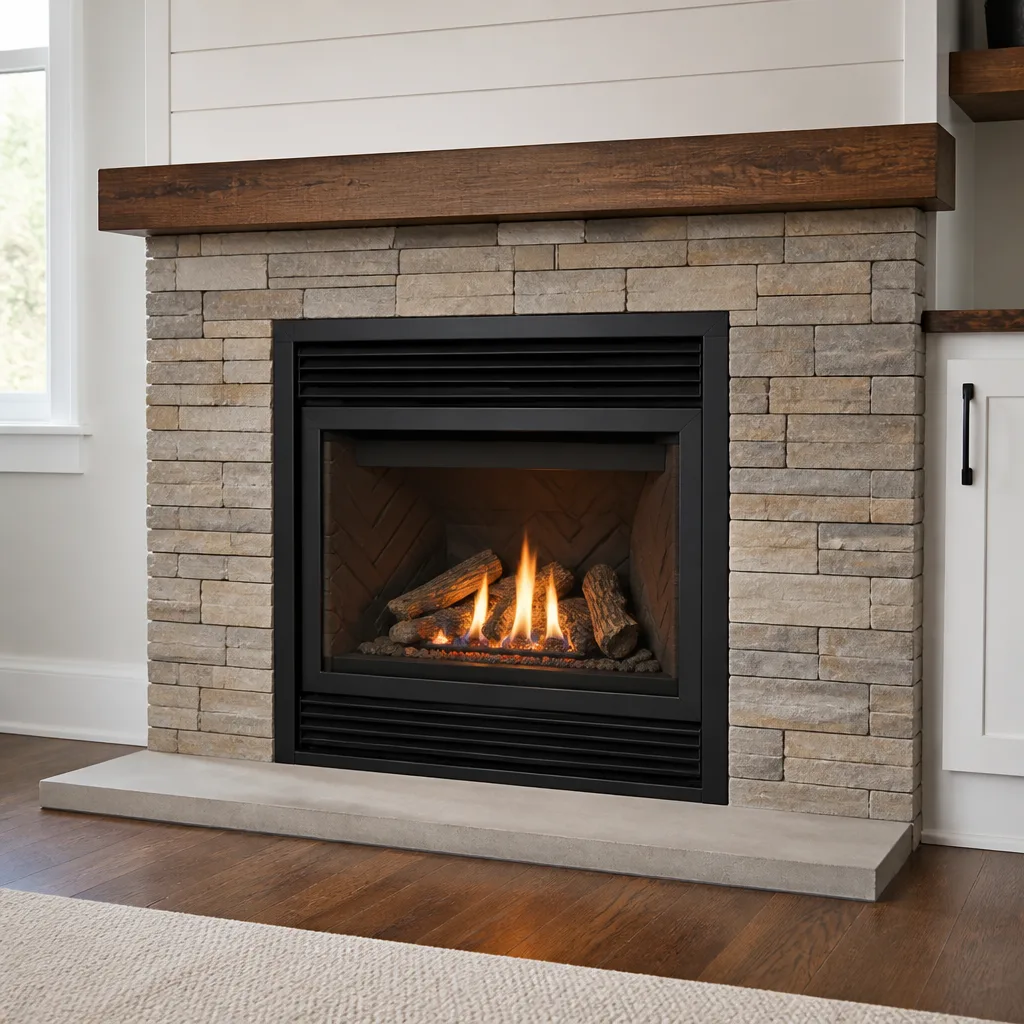 Gas fireplace service
Level 1 sweep and inspection to the NFPA 211 annual standard - flue, crown, cap, and flashing checked and photographed
Chimney sweep logs do not sweep chimneys. They loosen some creosote - which then falls where a brush and vacuum still have to collect it.
Chimney Sweep Maintenance Checklist for South Coast Metro Homeowners
Most homeowners treat a chimney sweep like an oil change: pay for it, get a receipt, move on. That receipt is often worth less than the paper it’s printed on when an insurance adjuster asks for proof of maintenance after a fire claim. California carriers have gotten much stricter about documentation, and a generic “swept and inspected” line on a carbon-copy invoice doesn’t answer the questions they actually ask. What they want is a record: what was found, what was done, who did it, and when. This guide walks South Coast Metro homeowners through a maintenance checklist built around documentation, not just sweeping, plus the stucco-specific items our Mediterranean-style housing stock demands and the self-inspections you can run between professional visits.
Quick Answer
A chimney maintenance checklist for South Coast Metro homes should combine annual sweeping and inspection with a documentation habit: photograph the firebox, damper, flue and exterior crown after every service, file inspection reports with dates and technician credentials, and keep sweep receipts organized by year. Documentation, not sweeping frequency alone, is what satisfies insurance carriers and home inspectors during claims and transactions.
Styles & brands we work with
- Sweep & inspection
- Caps & crowns
- Flue relining
- Masonry repair
- Gas fireplace service
Table of Contents
- What Documentation Actually Satisfies a California Insurance Carrier
- Checklist Items Specific to Stucco-Clad Chimneys
- How to Self-Inspect the Firebox, Damper, and Visible Flue
- Annual vs. Biennial: Matching Frequency to How You Actually Burn
- The Full-Lifecycle View: Sweep, Inspect, Cap, Repair
- What to Record and Store After Every Service Call
- Pre-Sale and Pre-Purchase Chimney Preparation
- Common Mistakes to Avoid
- When to Call a Professional
- Frequently Asked Questions
What Documentation Actually Satisfies a California Insurance Carrier
An insurance carrier evaluating a fire-related chimney claim wants three things: evidence the system was professionally serviced on a reasonable schedule, a description of what condition the system was in at that service, and a paper trail connecting the two. A sweep receipt with a dollar amount and a date satisfies only the first. That’s the gap most South Coast Metro homeowners discover the hard way.
Here’s what most chimney companies hand over by default: a handwritten invoice, sometimes a small “have your chimney swept annually” reminder card, and nothing else. The invoice rarely describes condition. It rarely notes whether the flue was obstructed, whether creosote had reached a certain stage, or whether a crown crack was observed. When a claim gets scrutinized months or years later, that invoice says nothing about the state of the system.
What a defensible service record contains:
- Date of service and the type of service performed (sweep, inspection level, repair)
- Technician credentials listed on the report, without which the carrier can question the technician’s qualification
- Condition findings in writing – creosote stage, presence or absence of obstruction, damper operation, firebox condition, flue tile condition from the visible portion
- Photographs, dated, of the firebox, damper, flue opening, crown and cap
- Recommendations with a timeline – even if the recommendation is “no action required, re-sweep in twelve months”
When we perform a chimney sweep, we include the photo set and the written condition notes with the invoice, not on request. A report without repair capability behind it is just paperwork – many inspections produce a finding that needs action, and the value of a documented finding is that the fix gets handled rather than deferred into next season’s risk. That’s why we pair the two.
Checklist Items Specific to Stucco-Clad Chimneys
South Coast Metro’s housing stock leans heavily into Mediterranean and Spanish Revival designs: stucco exteriors, tile roofs, masonry chimneys finished in the same stucco. That construction style introduces maintenance items you won’t find on a generic national checklist. Stucco is a rigid skin over a masonry or framed substrate, and it behaves differently than siding or brick veneer when water and settlement create gaps.
South Coast Metro’s mild winters mean freeze-thaw damage isn’t the driving concern here. What matters is the smaller stuff that adds up: sun exposure drying and slightly shrinking the stucco around penetrations over years, hairline cracks opening around the chimney chase where it meets the roof, and the crown – the concrete cap at the very top of the chimney – being a common failure point across these homes because it sits in direct sun with thermal movement every day.
Stucco-specific checklist items:
- Walk the exterior of the chimney once a year and look for hairline cracks in the stucco finish. Note their location and photograph them.
- Check where the chimney chase meets the roof plane for cracked stucco or lifted flashing. That joint is where water enters the assembly most often.
- Inspect the crown from the ground with binoculars or a camera zoom. Cracks wider than a hairline, or sections lifting away from the flue, are a documented finding worth repairing before they open up.
- Confirm the spark arrestor and cap are seated properly and not corroded at the mounting hardware.
- Verify the exterior stucco isn’t spalling (popping loose in patches) near the firebox cleanout – that can indicate moisture migrating from the interior.
Crown and cap work is where the material matters. We stock and install professional-grade components from Gelco and Copperfield rather than hardware-store substitutes, because a $15 cap on a fifteen-thousand-dollar chimney assembly is a mismatch. You can read more about that scope on our chimney cap & crown page.
How to Self-Inspect the Firebox, Damper, and Visible Flue
You can’t safely inspect the whole flue from the firebox – that’s professional work with a camera and proper equipment. But you can check the accessible components between professional visits, and you should, because the more you know about your own system, the better you can communicate about it when a pro arrives.
What you’ll need: a bright flashlight (a true LED spotlight, not a phone light), a small hand mirror, and a pair of gloves. Not a ladder. Don’t get on the roof yourself for this.
- Fireplace cold and empty, damper open. Wait at least 24 hours after the last fire. No embers, no warm ash.
- Shine the flashlight up into the firebox throat and look at the smoke shelf just above the damper. You’re checking for heavy creosote buildup – glazed, tar-like coating means it’s overdue for a sweep. Light, fluffy soot is normal.
- Test the damper by opening and closing it. It should move smoothly and seat flush when closed. A damper stuck partway open, or one that won’t seal, is worth flagging on your next call. So is any visible warp or rust-through.
- Inspect firebox walls for cracks. Vertical hairline cracks in firebrick are common and often benign. Horizontal cracks, displaced brick, or gaps in the mortar joints are not – they indicate structural movement.
- Shine the light up the flue from the firebox, and use the mirror at an angle to see any portion of the flue tile you can catch. You’re looking for visible tile cracks, missing mortar joints, or obstruction – branches, bird nests, leaves.
- Look outside at the cap with binoculars. Debris accumulation on top of the spark arrestor screen means it’s doing its job, but heavy buildup restricts draft.
- Do the draft test. Burn a small, clean-burning test fire (a couple of crumpled sheets of newspaper, nothing more) and watch the smoke. If it rolls back into the room instead of drafting up cleanly, note it and stop – that’s a sign of an obstruction or a pressure problem that needs a professional look.
What you check is not the same as what a professional inspection covers. The professional inspection uses a camera run up the flue and assesses the full assembly – the parts you can’t reach. But your self-checks give you a baseline, and they make the professional visit more productive because you already know what you’re seeing.
Annual vs. Biennial: Matching Frequency to How You Actually Burn
The standard industry recommendation is an annual inspection and a sweep whenever the creosote layer reaches a certain accumulation – not on a fixed calendar. That’s the number homeowners usually hear. But “annual for everyone” isn’t the honest answer for South Coast Metro. Seasonal use patterns here vary enormously: some homes burn nightly from November through February, others light a fire a handful of times for guests. The right maintenance frequency follows your usage.
Here’s how the two tracks break down, without guessing at how much you burn:
- Frequent burners (fire most weeks of the heating season): annual sweep and inspection, and the inspection level should include a camera run of the flue. Creosote accumulates faster in cool-burning, smoldering fires than in hot, clean ones.
- Moderate burners (regular but not constant): annual inspection, sweep on professional recommendation based on creosote observed. Many years you’ll need both; some you won’t.
- Occasional burners (a few fires per season): biennial inspection is defensible for the chimney itself, but not for documentation. Even occasional use accumulates debris and wildlife intrusion, and the documentation value of annual inspection stands regardless of usage.
What “annual” really protects is the paper trail. A carrier may not care whether you burned one cord or three; they care whether you demonstrated a reasonable maintenance schedule. A documented inspection every twelve months, even on a rarely used fireplace, is the cheapest insurance on the insurance.
Usage isn’t the only driver. Wood quality matters: unseasoned or “green” wood burns cool and smolders, which deposits more creosote than well-seasoned wood. And a South Coast Metro chimney that sits unused still pulls in debris, birds, and rooftop leaves – those are reasons to inspect even in a year with no fires.
When a professional flags something – a crown crack, a damper that won’t seal, a flue tile with a visible gap – that becomes a scheduled repair, not a wait-and-see. Our fireplace repair work follows the inspection findings directly rather than handing you a report and a promise to call you back later.
The Full-Lifecycle View: Sweep, Inspect, Cap, Repair
Treating these as four separate services performed by four separate contractors is how chimney problems get missed. The sweep sees the flue interior. The inspection sees the whole assembly. The cap protects the top. The repair fixes what the inspection found. Split those four across three companies and no one has the full picture. One company handling all four means the person inspecting knows the person repairing, and the findings and the fix stay connected.
We’ve built our service model around that continuity – not as a marketing position but as an operational one. A chimney is a system: the firebox, damper, flue, crown, cap and chase all affect each other. A damaged crown lets water in, which rots the flue tile mortar, which eventually shows up as a firebox problem. Tracking those connections requires a contractor who works the full assembly.
The trade brands we work with reflect that scope:
- DuraFlex for liner replacement and relining when a full replacement is the right call
- HeatShield for ceramic resurfacing, which restores a compromised flue without a full tear-out in the right conditions
- Gelco and Copperfield for cap and crown components – the top of the system, where the weather hits first
HeatShield is particularly worth knowing about if you’ve been told you need a full liner replacement. The system applies a ceramic lining over the existing flue interior, restoring a sound surface in situations where the underlying structure is intact. It’s not right for every case – a flue with structural damage or severe deterioration still needs replacement – but where it fits, it avoids the tear-out cost and disruption of full relining. Most local sweep services don’t offer it, which means the answer you’ll hear from them is usually the full replacement. That’s not dishonest, it’s just what they know how to do.
The key to keeping these in the right order is the inspection first. Nothing gets recommended without a documented finding you can see. Camera footage of the flue interior and photographs of the crown and firebox are part of the record, and they’re what you look at when deciding whether to act now or defer.
What to Record and Store After Every Service Call
The difference between a defensible maintenance history and a drawer full of loose paper is a filing system. Here’s how to build one that actually works when a carrier or a buyer’s inspector asks.
- Create a physical folder or a digital one labeled by year. If digital, back it up to cloud storage and, ideally, keep a copy on your phone.
- File the full service report, not just the invoice. The report has the findings; the invoice has the amount. The carrier wants the findings.
- File the photo set with a date in the filename. Photos are the part that carries the most weight in a dispute, because they show the condition of the system at the time of service.
- Keep a one-page running log – a simple sheet with the date, the service performed, the technician name if it’s printed on the report, and the recommendation. This is what you scan to your carrier if they request it.
- File the repair records separately when any part of the system is repaired or replaced. Repairs have their own paper trail, including material specifications, and the carrier wants those attached to the claim.
- Transfer the file to a buyer if you sell. A chimney maintenance history is a genuine marketing asset in a transaction, and it de-risks the buyer’s own insurance underwriting.
What you’re building is not a customer-loyalty stack. It’s the defensible record of what condition your chimney was in, who was qualified to assess it, and what was done. The failure mode most people hit isn’t refusing to sweep; it’s years of sweep receipts with no condition documentation behind them. Build the folder now and you’ll never have to reconstruct it.
Pre-Sale and Pre-Purchase Chimney Preparation
If you’re selling in South Coast Metro, get the chimney documentation in order before the listing goes live. A buyer’s inspector will flag chimney condition, and a buyer’s insurance carrier may ask for maintenance history before they’ll underwrite. Either one turning up a gap can delay a closing or knock a few thousand off the offer for work that might not even be required.
The pre-sale checklist:
- Request a current inspection report with photos, dated within the last twelve months if possible
- Address any documented findings before listing – repairs completed with receipts attached are worth more than a discount at the table
- Organize the maintenance folder and make it available to the buyer’s agent on request
- Confirm the cap and crown are in sound condition from a buyer’s-eye view – literally, from the curb, because that’s the first impression
- Be ready to explain what the chimney is and how it’s been maintained, because the buyer will ask
On the buying side, request the same. If the seller can’t produce a maintenance history, commission your own inspection rather than accepting the seller’s verbal assurance that “it was swept a while back.” The inspection report with photos is a negotiating tool and a peace-of-mind document rolled into one.
If you’re a property manager running multiple South Coast Metro units with fireplaces, the same applies at scale. A per-unit documentation folder that travels with the unit is the difference between a smooth turnover and a dispute over who’s responsible for what.
See the difference
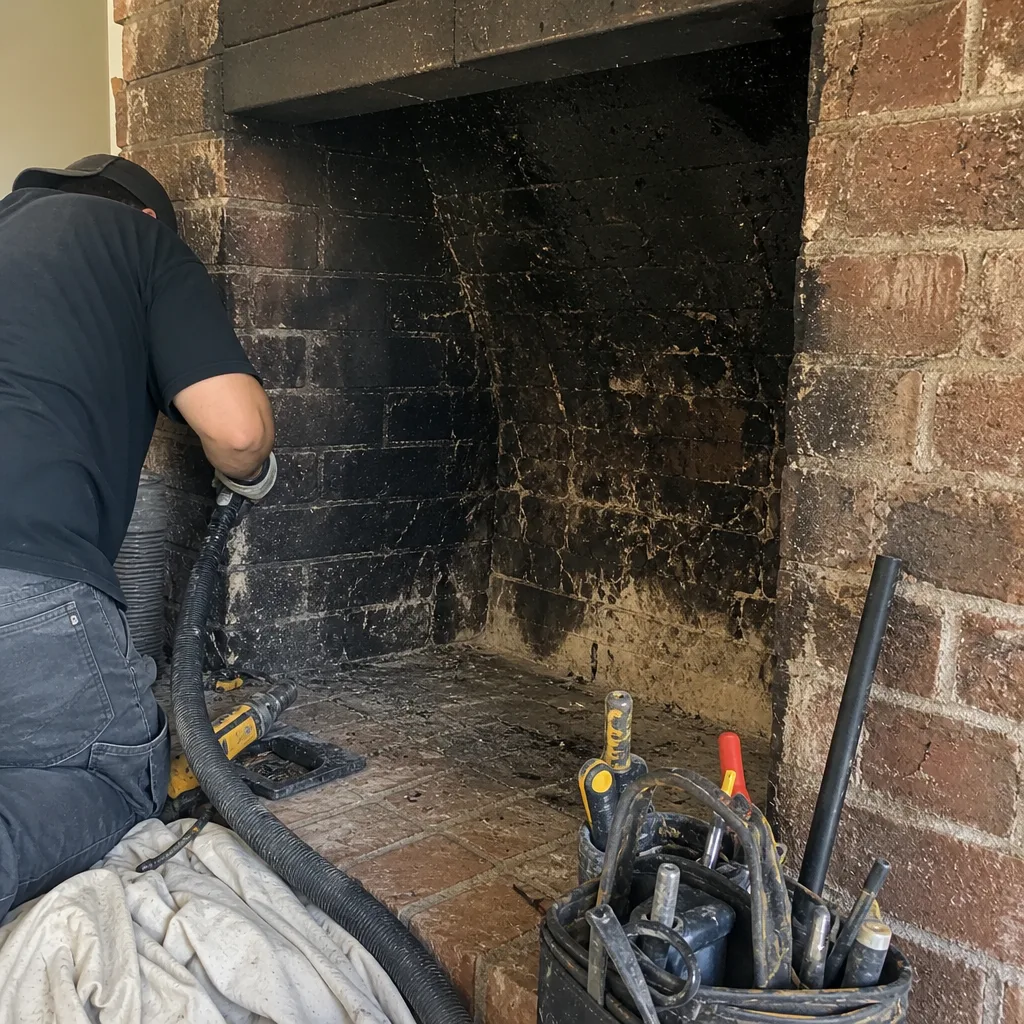 Before
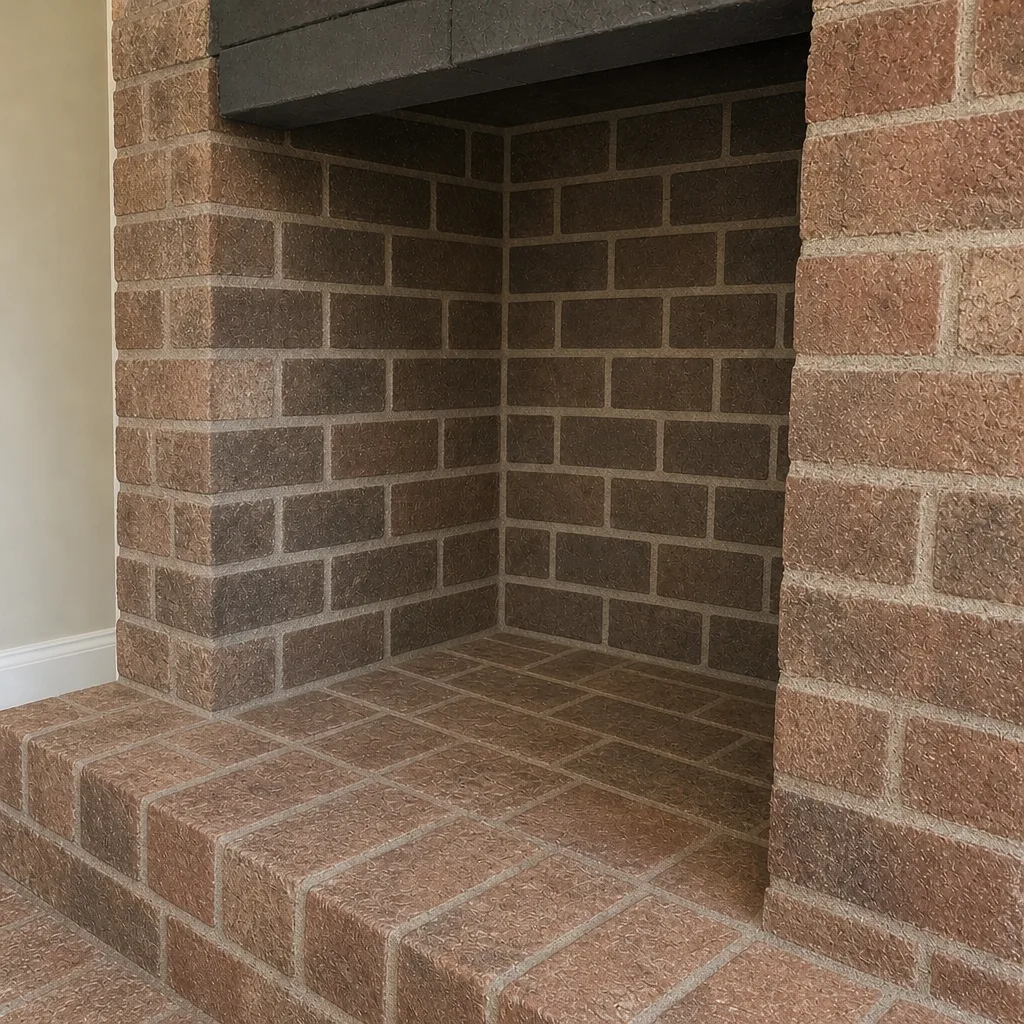 After
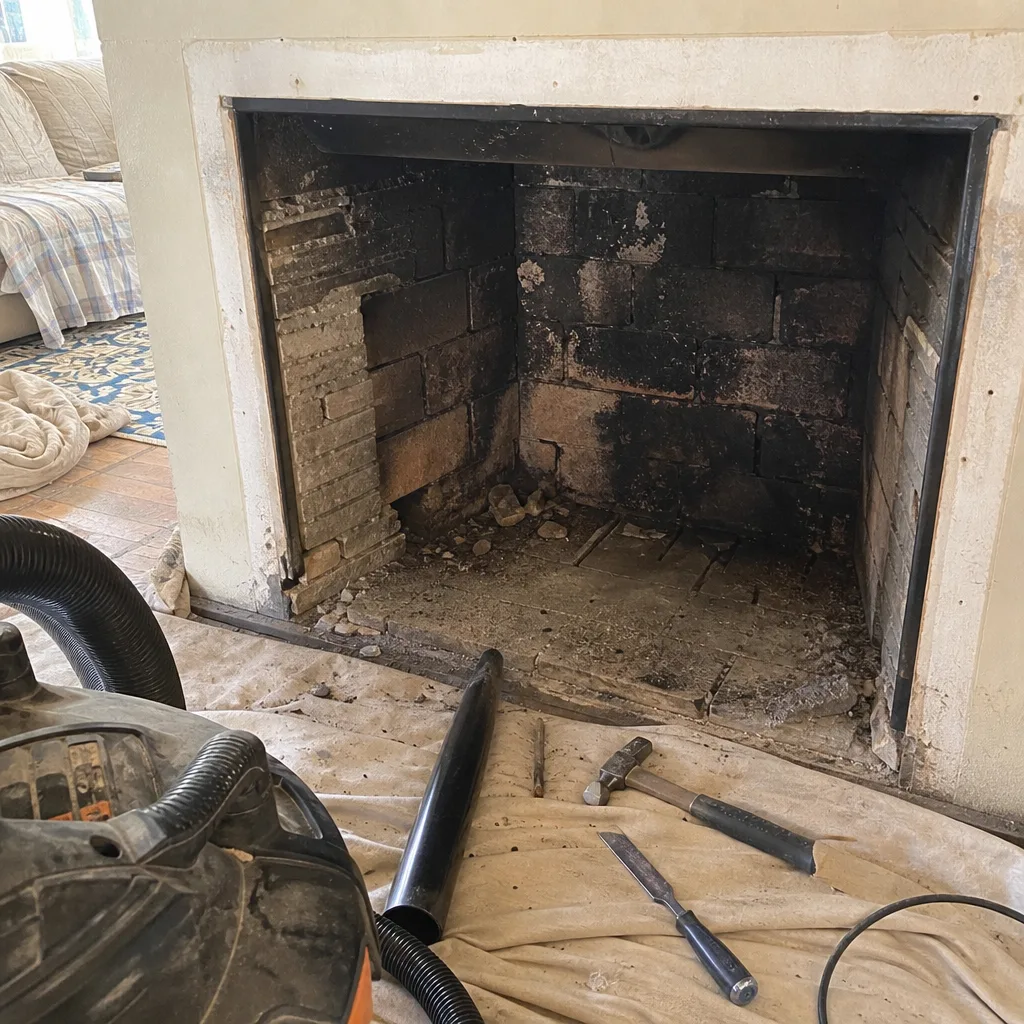 Before
 After
 Before
 After
Common Mistakes to Avoid
- Treating the sweep receipt as sufficient documentation. It isn’t. A receipt proves you paid; it doesn’t prove the system was in good condition. Request the report with findings and photos, and file it.
- Skipping the inspection because “the sweep looked it over.” A sweep cleans; an inspection evaluates the full assembly with a camera. They’re different services, and the documentation value is in the inspection.
- Ignoring the crown because the firebox looks fine. The crown is where water enters the system, and it fails silently. Stucco-clad chimneys in South Coast Metro show crown cracks that aren’t visible from inside the house at all.
- Using hardware-store caps and expecting them to last. A cap is the highest-exposure part of the chimney. Generic galvanized components fail at the mounting hardware within a few seasons and sometimes cause more problems than they solve.
- Burning unseasoned wood and then sweeping less often. Green wood produces more creosote, not less. The two habits compound in the wrong direction.
- Hiring a sweep with no repair capability. You’ll get a report and a recommendation, and then you’re hunting for a second contractor to act on it. One company handling both keeps the documentation in one file.
- Filing nothing. A drawer of receipts is not a maintenance history. Build the folder, back it up, and keep the photo sets alongside the reports.
When to Call a Professional
Several situations warrant a professional visit rather than a self-check. If your draft test shows smoke rolling back into the room, stop and call – that’s an obstruction or a pressure problem, not a project to troubleshoot at home. Visible flue tile cracks, missing mortar joints in the firebox, or displaced brick are structural findings that need a camera inspection to properly evaluate. A glazed, tar-like creosote layer in the throat is beyond self-cleanup capability. And any chimney that hasn’t been professionally inspected in over a year, regardless of how it looks, deserves a documented inspection.
Chimney Sweep South Coast Metro offers free estimates in South Coast Metro – call (833) 509-5393. We answer 24/7. Fast dispatch from 7am to 7pm, Sunday through Friday. Our technicians have up to 11 years of experience, and every inspection comes with a photo report you can file the same day.
Frequently Asked Questions
Sweep frequency depends on use, not a fixed calendar. Frequent burners should sweep and inspect annually; moderate and occasional users should inspect annually and sweep when the inspection shows creosote accumulation. The annual inspection is the constant, because documentation matters regardless of usage. Call (833) 509-5393 for an exact quote on a sweep and inspection – estimates are free.
Carriers vary, but many increasingly ask for documented maintenance history when evaluating fire-related claims. A receipt alone may not satisfy the request; a report with condition findings and photos is what does. Ask your carrier directly what they need, then have a professional produce it. We can provide that documentation with every service – call (833) 509-5393 to schedule.
Ask for a written condition report, a dated photograph set of the firebox, damper, flue opening, crown and cap, and a written recommendation with a clear timeline. Also ask whether the technician is qualified to repair what they find, because a report without repair capability leaves you coordinating the fix separately. Call (833) 509-5393 if you’d like a sample report format before booking.
You can check accessible components safely: the firebox walls, the damper, the smoke shelf, and whatever flue tile is visible with a flashlight and mirror. You cannot safely inspect the full flue or roof-level components yourself. Use the self-check to note concerns for your next professional visit, not to replace it. Call (833) 509-5393 to schedule a camera inspection – estimates are free.
Look for hairline cracks in the stucco finish, cracked stucco or lifted flashing at the roof line, and a crown that shows cracking or separation from the flue. Photograph what you see with the date visible. These are the findings a carrier or buyer’s inspector will ask about. If you spot any of them, call (833) 509-5393 for a professional evaluation.
A cap is functional, not decorative: it keeps rain, debris and wildlife out of the flue and protects the crown from direct weather exposure. Without one, the maintenance burden goes up and the documentation trail gets more complicated. We install caps using Gelco and Copperfield components rather than generic substitutes. Call (833) 509-5393 for a cap and crown estimate – free and no pressure.
The Bottom Line
The core of chimney maintenance isn’t sweeping frequency, it’s documentation. Build a file that follows your system: an inspection report with photos every year, a written condition note rather than just a receipt, and a repair record attached when anything is fixed. Pair that habit with the stucco-specific checks that matter for South Coast Metro homes, and with realistic usage-based frequency rather than blind annual sweeping. Handle the sweep, inspection, cap, crown and repair work through one company so the paper trail stays in one place, and your system is protected both physically and in any claim, transaction or dispute that ever involves it. That’s a maintenance checklist that actually does something.
Ready to start the file? Call (833) 509-5393. We answer 24/7. Fast dispatch from 7am to 7pm, Sunday through Friday. Free estimates, honest findings, and the documentation to back them up. The Chimney Sweep South Coast Metro team is ready when you are.
Written by the team at Chimney Sweep South Coast Metro.